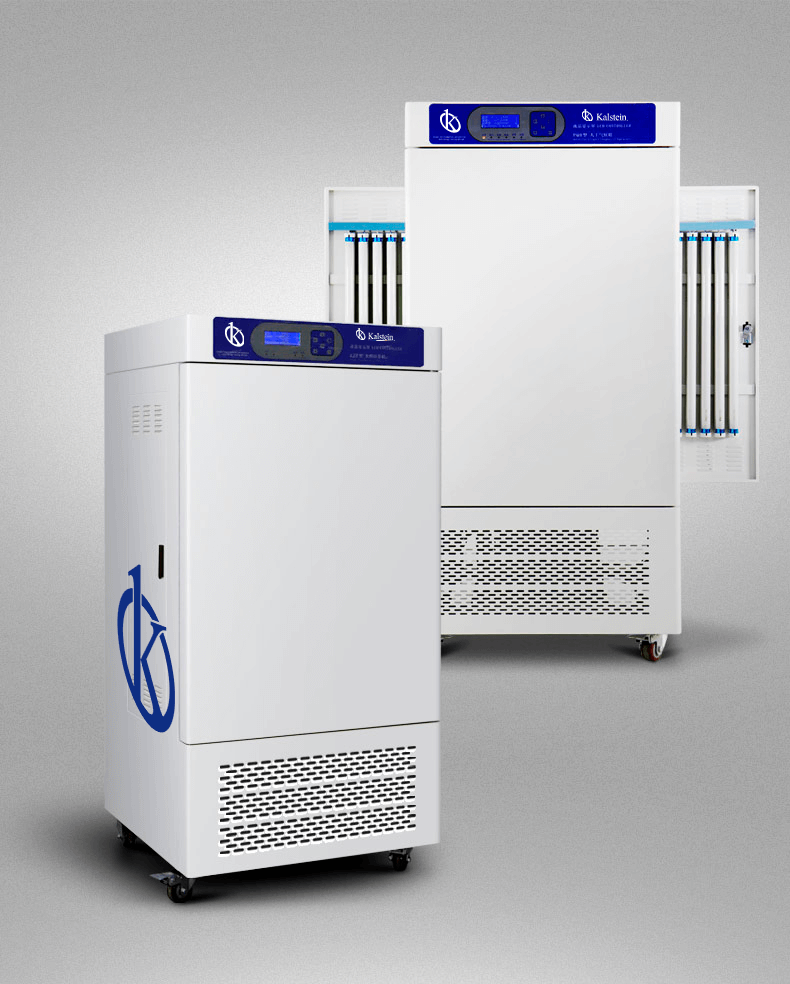
Environmental Chambers: Best Practices and Techniques 2026
Environmental chambers have become indispensable tools in laboratories, allowing researchers to simulate various environmental conditions. This guide will delve into their uses, evolution, best practices, and practical applications in 2026, providing laboratory professionals with the insights needed to maximize their efficiency and effectiveness.
What is it used for in 2026
In 2026, environmental chambers are primarily used for biological research, product testing, and material studies. They provide controlled environments to test how different subjects react to specific humidity, temperature, and light conditions. These chambers help in the growth of plants, the study of microbial growth, and testing the durability of various materials under extreme conditions.
History and evolution of the technology
The technology behind environmental chambers has evolved significantly over the past few decades. Initially designed for simple temperature control, modern chambers now incorporate sophisticated features such as precise humidity control, programmable lighting, and advanced data logging capabilities. The shift towards energy efficiency and sustainability is also notable, with newer models using eco-friendly refrigerants and materials.
How to use it step by step
Using an environmental chamber effectively involves several steps:
- Setting Up: Position the chamber in a controlled space away from direct sunlight or heat sources that could affect its performance.
- Configuring Settings: Input the desired temperature, humidity, and lighting conditions based on your experiments.
- Loading Samples: Place your samples within the chamber, ensuring adequate spacing to allow for air circulation.
- Monitoring Conditions: Use the chamber’s digital interface to monitor real-time conditions, making adjustments as necessary.
- Data Collection: Record the results at regular intervals, using either built-in logging systems or external data collection tools.
- Cleaning: After use, clean the chamber thoroughly to prevent contamination.
Best techniques and protocols
Adhering to best practices in operating environmental chambers can significantly enhance the reliability of your results. Some recommended techniques include:
- Regular calibration of equipment to ensure accuracy in readings.
- Maintaining a consistent loading pattern to avoid airflow disruptions.
- Using control samples for comparative analysis.
- Documenting all settings and changes for reproducibility of experiments.
Practical applications by laboratory type
Different types of laboratories utilize environmental chambers for various applications:
- Biological Research Labs: For studying the effects of climate on plant growth and microbial activity.
- Quality Assurance Laboratories: Testing product stability under variable environmental conditions.
- Pharmaceutical Labs: Ensuring drug efficacy and stability over time when exposed to different climates.
Regulations, standards and certifications
Environmental chambers must adhere to various local and international standards. Compliance with ISO 17025 and other relevant standards is crucial for maintaining laboratory accreditation and ensuring data quality. Regular inspections and certifications are essential to uphold these standards.
Comparison with alternative technologies
While environmental chambers are widely used, other technologies such as walk-in environmental rooms and incubators also serve similar purposes. Environmental chambers offer more precise control over conditions compared to traditional incubators, making them superior for sensitive experiments.
Comparison of available models
| Model | Best for | Key specs | Recommended use case |
|---|---|---|---|
| YR05328 | General research and microbial studies | Temperature: 10~60℃, Humidity: 50%-90%, Volume: 150L | Ideal for biological research requiring precise environmental control. |
| YR05329 | Plant growth experiments | Temperature: 10~60℃, Humidity: 50%-90%, Volume: 250L | Best suited for agricultural research and plant studies. |
| YR05330 | Material durability testing | Temperature: 10~60℃, Humidity: 50%-90%, Volume: 350L | Recommended for testing the effects of environmental stress on materials. |
Common mistakes and how to avoid them
Avoiding common pitfalls can enhance your laboratory's efficiency. These include:
- Neglecting regular maintenance, which can lead to inaccurate readings.
- Overloading the chamber, disrupting airflow and temperature uniformity.
- Failing to document experiments, making it hard to replicate results.
Maintenance, calibration and good practices 2026
Regular maintenance is crucial for optimal performance. This includes:
- Calibrating temperature and humidity sensors at least annually.
- Cleaning the interior and exterior surfaces regularly to prevent contamination.
- Checking seals and gaskets to ensure no air leaks, which can affect performance.
Cost-benefit analysis 2026
Investing in environmental chambers can be costly, but the benefits often outweigh the initial expenses. Enhanced experimental accuracy and reliability can lead to better research outcomes and product development, ultimately saving costs associated with failed experiments or products.
Frequently asked questions
What are the primary differences between environmental chambers and incubators?
Environmental chambers offer more control over multiple parameters such as humidity, temperature, and light, whereas incubators primarily focus on temperature control for growing cultures.
How often should I calibrate my environmental chamber?
It is recommended to calibrate your environmental chamber at least once a year or whenever significant changes in performance are noticed.
Can environmental chambers be used for long-term studies?
Yes, environmental chambers are designed for both short-term and long-term studies, providing stability over extended periods.
What should I do if my environmental chamber is not maintaining the set conditions?
First, check for any blockages or dirt in the air circulation system. If conditions are still not met, consult the manufacturer for further troubleshooting or repair options.
Are there specific regulations for using environmental chambers?
Yes, you must comply with local and international standards such as ISO regulations, especially for labs that require accreditation.
How can I ensure the longevity of my environmental chamber?
Regular maintenance, calibration, and cleaning are essential to ensure the longevity and optimal performance of your environmental chamber.
Where can I find reliable environmental chambers for my laboratory?
You can request a quote to explore various models and find the right environmental chamber that fits your laboratory's needs.
If you are looking for a fusion of innovation and quality, you have come to the right place. At Kalstein, we offer you the luxury of exploring our exclusive catalog of laboratory equipment. We manufacture every device to the highest standards of excellence. Our intuitive and seamless online purchasing channels are designed for your convenience, securing the most competitive prices. Hesitate no longer — we bring science to life, it is time to become part of our community.