Ensuring Biosafety with Laboratory Equipment: A Comprehensive Guide
In laboratory settings, the health and safety of personnel are paramount. Biosafety protocols and safe operator handling practices are essential to mitigate risks associated with hazardous materials. This article delves into the importance of biosafety, explores various laboratory equipment, and discusses best practices to ensure operator safety in compliance with industry standards.
Understanding Biosafety Protocols and Their Importance
Biosafety protocols are designed to protect laboratory personnel, the environment, and the public from exposure to biological agents. These protocols classify labs based on the level of risk associated with the agents used, categorized into Biosafety Levels (BSL). Each level has specific containment requirements, operational practices, and safety equipment standards.
Implementing these protocols not only safeguards health but also ensures compliance with regulations such as those outlined by the Centers for Disease Control and Prevention (CDC) and the World Health Organization (WHO). Regular training of laboratory personnel on these protocols is crucial for maintaining a safe work environment.
Key Biosafety Levels Explained
Biosafety Levels range from BSL-1 to BSL-4, each reflecting the risk level of the biological agents. BSL-1 labs handle agents that pose minimal threat, while BSL-4 labs work with highly dangerous pathogens. Understanding these levels helps in selecting appropriate laboratory equipment and safety measures:
- BSL-1: Basic microbial techniques; no special containment required.
- BSL-2: Moderate hazards; requires specific safety equipment and practices.
- BSL-3: High-risk pathogens; requires stringent control measures and specialized equipment.
- BSL-4: Extremely dangerous pathogens requiring complete isolation.
Popular Laboratory Equipment for Biosafety Compliance
Laboratory equipment plays a crucial role in biosafety compliance. Proper selection and use of equipment can significantly reduce risks. Commonly used equipment includes laboratory microscopes, fluid handling pipettes, and biosafety cabinets. Below, we will explore how specific models contribute to safety practices.
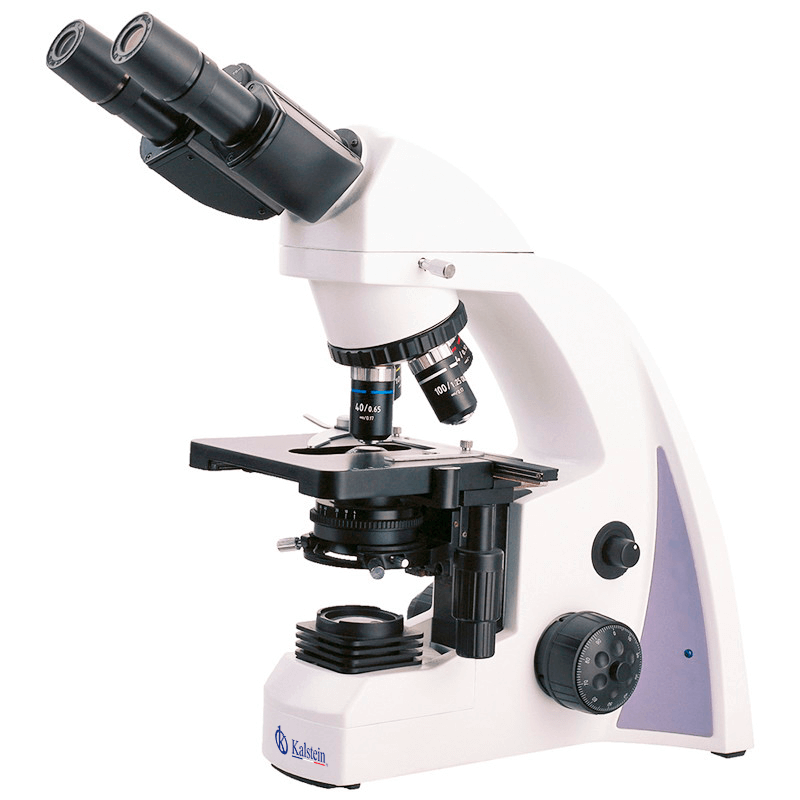
Laboratory Microscope YR0237-0-1
The Laboratory Microscope YR0237-0-1 features a binocular head and widefield eyepieces, ideal for clear imaging of samples. With its acromat semi-plan objectives and sliding center condenser, this model ensures accurate observations while adhering to biosafety standards. Proper handling and maintenance are essential to avoid contamination.
Fluid Handling Pipettes YR03731-1
The YR03731-1 pipette is designed for precision and ergonomic handling. It meets biosafety standards through its design, which minimizes operator exposure to samples. The pipette is sterilized at 121 °C, ensuring it is safe for use in BSL-2 and BSL-3 labs.
Comparison of Available Models
| Model | Specifications | Best for |
|---|---|---|
| YR0237-0-1 | Binocular head, WF 10x/18 mm, N.A1.25 | Microbial studies in BSL-1 |
| YR03731-1 | Fixed volume pipette, sterilizable | Precise liquid handling in BSL-2 |
Common Mistakes and How to Avoid Them
When implementing biosafety protocols, several common mistakes can compromise safety. Here are ways to avoid them:
- Inadequate Training: Ensure all staff receive thorough training on biosafety practices and equipment handling.
- Poor Maintenance: Regularly inspect and maintain laboratory equipment to ensure functionality and safety.
- Ignoring PPE: Always use personal protective equipment as required for the specific biosafety level.
Frequently Asked Questions
What are the key biosafety measures for laboratory equipment handling?
Key biosafety measures include using appropriate personal protective equipment (PPE), proper training for personnel, and adhering to biosafety protocols. Equipment like the Laboratory Microscope YR0237-0-1 and Fluid Handling Pipettes YR03731-1 are designed to facilitate safe handling and minimize risk.
How can I ensure compliance with biosafety standards in my lab?
Ensure compliance by developing a biosafety plan, training staff regularly, and using compliant equipment such as the YR03731-1 pipette. Regular audits and updates to protocols are also essential for maintaining high standards.
What types of laboratory equipment are essential for BSL-2 labs?
Essential equipment for BSL-2 labs includes biosafety cabinets, centrifuges with sealed rotors, and precise pipettes like the YR03731-1. These tools help manage biohazard risks effectively.
Which laboratory microscope is best for observing bacterial cultures?
The Laboratory Microscope YR0237-0-1 is ideal for observing bacterial cultures due to its high-quality optics and capabilities for clarity in imaging. Its design supports safety protocols essential in microbiology.
How do I select the right pipette for my specific laboratory needs?
Select a pipette based on the volume range and accuracy required. The Fluid Handling Pipettes YR03731-1 offer precision for small volumes, making them suitable for various applications in BSL-2 labs.
What are the risks of inadequate biosafety measures in laboratories?
Inadequate biosafety measures can lead to exposure to hazardous materials, resulting in health risks for personnel and the public. Using compliant equipment like the YR0237-0-1 microscope can mitigate these risks effectively.
How often should laboratory equipment be calibrated to ensure safety?
Laboratory equipment should be calibrated regularly, at least annually, or whenever a malfunction occurs. Ensuring precision in tools like the YR03731-1 pipette is vital for maintaining safety and compliance.
What are the best practices for maintaining a biosafety cabinet?
Best practices include regular cleaning, adhering to usage protocols, and ensuring proper airflow. Regular checks help maintain the integrity of the cabinet, crucial for protecting users from airborne hazards.
If you are looking for a fusion of innovation and quality, you have come to the right place. At Kalstein, we offer you the luxury of exploring our exclusive catalog of laboratory equipment. We manufacture every device to the highest standards of excellence. Our intuitive and seamless online purchasing channels are designed for your convenience, securing the most competitive prices. Hesitate no longer — we bring science to life, it is time to become part of our community.