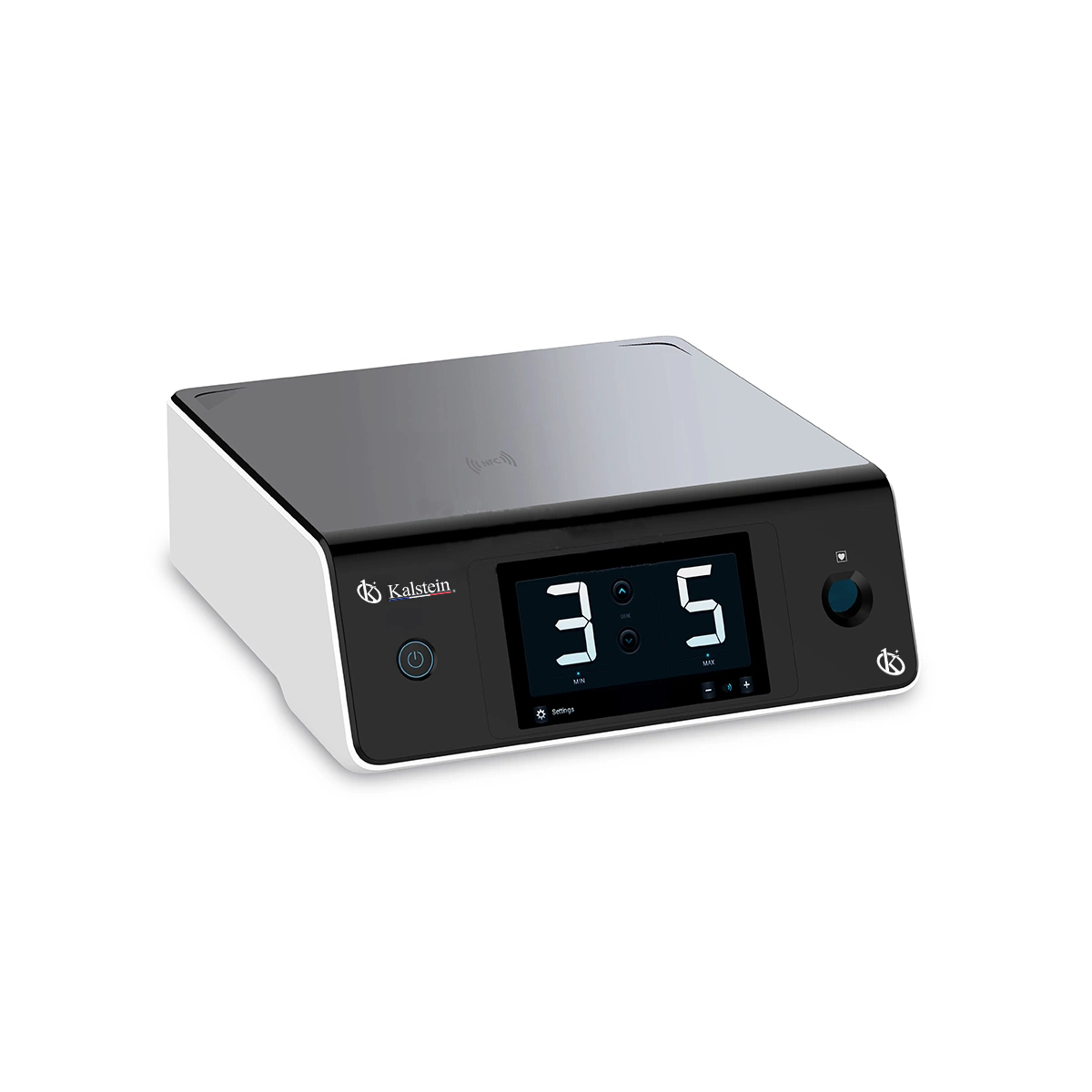
Ensuring Biosafety Protocols with Veterinary Electrosurgical Units: A Comprehensive Overview
In the field of veterinary surgery, the use of electrosurgical units (ESUs) is a common practice. However, ensuring the biosafety of operators and patients during surgical procedures has become increasingly critical. This article will delve into various models of Veterinary Electrosurgical Units, focusing on biosafety protocols and secure operator handling. The 2026 safety protocols will be our guiding framework as we examine how these devices contribute to a safe surgical environment.
The Importance of Biosafety Protocols in Veterinary Surgery
Biosafety protocols are essential in veterinary practices to protect not only the animals but also the medical staff involved in the procedures. These protocols encompass a wide array of guidelines that mitigate risks associated with electrosurgical procedures, such as aerosol generation, thermal injuries, and electrical hazards. By adhering to established biosafety standards, veterinary professionals can enhance the overall safety and efficacy of surgical operations.
Review of Key Biosafety Standards Relevant to Veterinary Electrosurgical Units
Several biosafety standards govern the use of veterinary electrosurgical units. Key among these are the guidelines that focus on operator protection, equipment maintenance, and surgical site safety. Compliance with these standards not only ensures the safety of the surgical team but also promotes better outcomes for animal patients.
Comparison of Available Models
| Model | Input Power (W) | Best For | Safety Features | Key Specs |
|---|---|---|---|---|
| YR06129 | 690 VA | Small vessel coagulation | Automatic transducer detection | Output current: 380 mA |
| YR06130 | 150 VA | General surgeries | Touchscreen control | Output power: 35 W |
| YR06131 | 300 W | Laparoscopic procedures | Automatic start/stop | Output type: Isolated |
| YR06132 | 300 W | Open surgeries | Multi-mode output | Work temperature: 5℃-40℃ |
| YR06133 | 15 W | Soft tissue surgeries | Compact design | Weight: lightweight |
| YR06134 | 15 W | Soft tissue surgeries | Portable laser systems | Dimension: 315*215*245 mm |
Common Mistakes and How to Avoid Them
One of the most common mistakes in operating veterinary electrosurgical units is neglecting regular maintenance and calibration, which are vital in ensuring both safety and performance. Operators must also be educated on the various modes of operation available on these units, as improper usage can lead to increased risks of injury or complications. Additionally, failing to follow the established biosafety protocols can expose staff and animals to unnecessary risks.
Understanding Operator Safety Features in Electrosurgical Units
Operator safety is paramount when using veterinary electrosurgical units. These devices often include safety features such as automatic shut-off mechanisms and dual-output controls. For example, the YR06129 model is equipped with an automatic transducer detection system, enhancing safety during use. Proper training on these features is crucial to minimizing risks during surgical procedures.
Best Practices for Maintaining Electrosurgical Units
Regular maintenance of veterinary electrosurgical units is essential to ensure their long-term performance and safety. Operators should implement a routine checklist that includes inspecting electrical components, testing safety features, and verifying calibration settings. For instance, the YR06130 model's touch control panel should be routinely checked for responsiveness and functionality to ensure smooth operation during surgical procedures.
Case Studies: Successful Implementations of Safety Protocols
Numerous veterinary clinics have successfully implemented biosafety protocols in conjunction with electrosurgical units, resulting in improved surgical outcomes and enhanced operator safety. These case studies often highlight the importance of continuous education and training on the use of safety features incorporated within different models, such as the automatic start/stop feature in the YR06131 model.
Frequently Asked Questions
What are the key biosafety protocols for using Veterinary Electrosurgical Units?
Understanding the key biosafety protocols involves ensuring proper operator training, regular equipment maintenance, and adherence to established safety guidelines. For instance, using the YR06132 model with its multiple output settings can help manage safety risks effectively.
How does the YR06129 model enhance operator safety during procedures?
The YR06129 model features automatic transducer detection, which significantly enhances operator safety by reducing the risk of thermal injuries during operations. Its design ensures efficient tissue sealing for vessels under 3 mm, making it ideal for precise surgical tactics.
What maintenance procedures are necessary for Veterinary Electrosurgical Units?
Routine maintenance includes checking all electrical components, ensuring calibration accuracy, and testing safety features. For instance, the YR06130 model, with its LCD touchscreen, should be monitored to ensure it functions optimally during surgeries.
Which Veterinary Electrosurgical Unit is best for laparoscopic procedures?
The YR06131 model is specifically designed for laparoscopic procedures, offering a combination of pressure and energy to ensure safe sealing of blood vessels from 7-15 mm. Its efficiency and reliability make it a preferred choice for such applications.
How do operator safety features differ among models like YR06132 and YR06133?
The YR06132 model incorporates multi-mode outputs for various surgical applications, while the YR06133 model focuses on portability and ease of use for soft tissue surgeries. Each model's features cater to different operational needs and safety protocols.
What are the risks of not following biosafety protocols with electrosurgical units?
Neglecting biosafety protocols can lead to significant risks including thermal injuries, electrical hazards, and increased contamination during surgical procedures. Using models such as YR06130 ensures that operators are better protected with its advanced safety features.
How can veterinary clinics implement effective biosafety training for staff?
Veterinary clinics can implement effective biosafety training by conducting regular workshops that focus on the safe operation of electrosurgical units, such as the YR06129. Training should cover the importance of safety features and the protocols required during surgical procedures.
What are the operational benefits of using the YR06131 model?
Using the YR06131 model provides operational benefits like reduced blood loss and increased efficiency in sealing blood vessels during surgeries. Its automated features greatly enhance the safety protocols adhered to in surgical environments.
If you are looking for a fusion of innovation and quality, you have come to the right place. At Kalstein, we offer you the luxury of exploring our exclusive catalog of laboratory equipment. We manufacture every device to the highest standards of excellence. Our intuitive and seamless online purchasing channels are designed for your convenience, securing the most competitive prices. Hesitate no longer — we bring science to life, it is time to become part of our community.