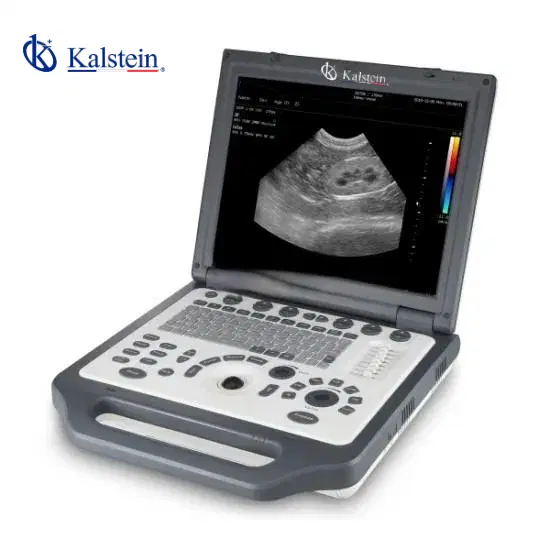
Ensuring Biosafety Protocols with Veterinary Color Doppler Systems
Veterinary Color Doppler systems are crucial tools in modern veterinary practices, allowing for precise diagnostics in various animal species. However, their use comes with inherent risks that must be managed through effective biosafety protocols. This article will delve into the best practices for operator safety, specific biosafety guidelines, and a comprehensive comparison of leading models in the industry, including their applications and safety features.
Understanding Biosafety Protocols in Veterinary Practices
Biosafety protocols are essential in veterinary practices to protect both the operator and the animals being examined. These protocols minimize exposure to potentially infectious agents and ensure safe handling of diagnostic equipment. The implementation of effective biosafety measures is fundamental when utilizing sophisticated veterinary diagnostic equipment, such as Veterinary Color Doppler systems.
Key aspects of biosafety protocols include the use of personal protective equipment (PPE), adherence to proper cleaning and disinfection processes, and risk assessments to identify hazards associated with specific procedures. In the case of Veterinary Color Doppler systems, adherence to these protocols ensures the safety of the veterinary professionals and the animals alike.
Importance of Personal Protective Equipment (PPE)
The use of PPE is a cornerstone of biosafety in veterinary settings. Operators should be equipped with gloves, masks, protective eyewear, and lab coats to minimize the risk of contamination or exposure to hazardous substances. In addition, it is essential that the PPE used is appropriate for the types of procedures being performed with Veterinary Color Doppler systems.
For example, during examinations that involve the potential contact with bodily fluids from animals, the use of gloves and masks is mandated to prevent cross-contamination. Compliance with these PPE requirements significantly reduces the risk of infection and ensures a safer working environment.
Cleaning and Disinfection of Equipment
Proper cleaning and disinfection of Veterinary Color Doppler systems are critical to maintaining biosafety standards. After each use, surfaces and components should be meticulously cleaned to eliminate any biological contaminants. Each manufacturer provides specific cleaning protocols that should be followed to ensure the longevity and safety of the equipment.
For instance, the Veterinary Laptop with Color Doppler YR06139 features materials that can be easily cleaned without damaging sensitive components. Following the manufacturer's disinfection instructions will help prevent the spread of infectious diseases and maintain the integrity of the diagnostic system.
Risk Assessment and Management
Conducting thorough risk assessments is crucial in mitigating potential hazards associated with using Veterinary Color Doppler systems. This process involves evaluating the specific risks present in the veterinary practice and developing strategies to minimize those risks. It is essential to continually monitor and update these assessments as new information or technologies become available.
Utilizing models such as the Veterinary Doppler Color Cart YR06141, which incorporates features designed for enhanced safety, can significantly contribute to a safer operating environment. Ensuring that all personnel are educated on the potential risks associated with their tasks helps foster a culture of safety in veterinary practices.
Comparison of Available Models
| Model | Key Features | Best For |
|---|---|---|
| YR06139 | High-resolution LCD monitor; portable; optimized imaging features | Field diagnostics in various animal species |
| YR06140 | Comprehensive digital imaging technology; powerful data management | Clinical environments needing detailed diagnostics |
| YR06141 | Touchscreen interface; multiple probe connections; enhanced imaging technology | Veterinary hospitals with high throughput requirements |
Common Mistakes and How to Avoid Them
There are several common mistakes that can compromise biosafety when using Veterinary Color Doppler systems. One of the primary errors is the improper use of PPE. Operators may neglect to wear all recommended protective gear or fail to replace contaminated equipment.
Another critical mistake is inadequate cleaning and disinfection of the equipment. It is crucial for practices to establish and enforce strict cleaning protocols following the guidelines provided by manufacturers like YR06139 and YR06141. Regular training and reminders regarding these protocols can significantly enhance overall safety.
Frequently Asked Questions
What are the key biosafety protocols for using Veterinary Color Doppler systems?
Key biosafety protocols include wearing appropriate PPE, proper cleaning and disinfection of equipment, and conducting risk assessments. Using models like the Veterinary Color Doppler System YR06140 can facilitate these protocols with its user-friendly interfaces and advanced imaging technologies.
How can proper cleaning enhance the lifespan of Veterinary Color Doppler machines?
Proper cleaning prevents the buildup of contaminants that can lead to malfunctions or damage to the equipment. Following the cleaning protocols recommended for the Veterinary Laptop with Color Doppler YR06139 ensures the device operates effectively over a longer period.
What type of PPE is essential when operating Veterinary Color Doppler systems?
Essential PPE includes gloves, masks, protective goggles, and lab coats. This equipment helps prevent exposure to potentially infectious materials during the use of Veterinary Color Doppler systems like YR06141, which is often used in high-contact procedures.
How can risk assessments improve safety in veterinary practices using Color Doppler systems?
Risk assessments allow veterinary practices to identify potential hazards and implement strategies to reduce those risks. Utilizing models such as the Veterinary Color Doppler System YR06140 can help streamline processes and enhance operator safety during examinations.
What are the consequences of neglecting biosafety protocols in veterinary settings?
Neglecting biosafety protocols can lead to increased risk of infection for both personnel and animals, potentially resulting in legal liabilities for the practice. Implementing strict protocols, particularly with technology like the Veterinary Doppler Color Cart YR06141, is crucial for maintaining safety standards.
How often should cleaning protocols be reviewed for Veterinary Color Doppler systems?
Cleaning protocols should be reviewed regularly, ideally after every use, and updated whenever new guidelines or technologies emerge. This is especially important for models like YR06139, which require specific cleaning methods to maintain efficacy.
What benefits do advanced imaging features provide in Veterinary Color Doppler systems?
Advanced imaging features improve diagnostic accuracy, enabling veterinarians to make informed decisions regarding animal health. Systems like the Veterinary Color Doppler System YR06140 offer enhanced imaging capabilities that assist in identifying health issues effectively.
How can veterinary practices ensure compliance with biosafety standards?
Veterinary practices can ensure compliance with biosafety standards through continuous training, adherence to established protocols, and regular equipment maintenance. Using reliable models like YR06141 that integrate safety features can further support compliance efforts.
If you are looking for a fusion of innovation and quality, you have come to the right place. At Kalstein, we offer you the luxury of exploring our exclusive catalog of laboratory equipment. We manufacture every device to the highest standards of excellence. Our intuitive and seamless online purchasing channels are designed for your convenience, securing the most competitive prices. Hesitate no longer — we bring science to life, it is time to become part of our community.