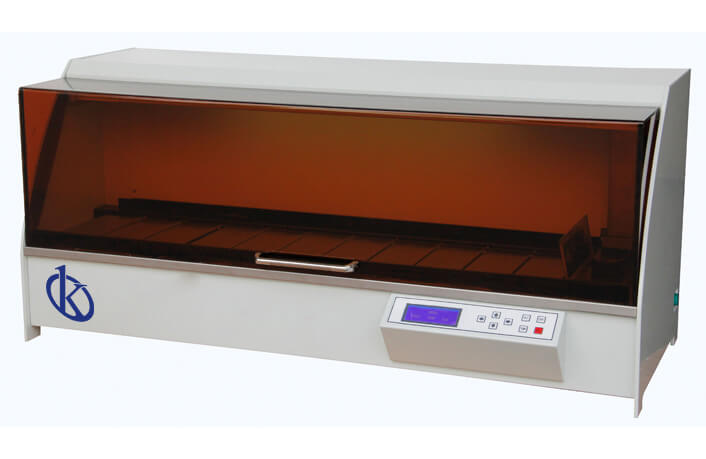
Ensuring Biosafety in Tissue Processors: Key Protocols and Best Practices
As laboratory professionals increasingly prioritize biosafety, understanding the protocols associated with tissue processors becomes crucial. This article delves deeply into biosafety protocols specific to tissue processors, focusing on operator management and risk mitigation to create a safe laboratory environment.
Understanding Biosafety Protocols for Tissue Processors
Biosafety protocols are essential in ensuring that laboratory operations run smoothly without jeopardizing the health of personnel or the integrity of specimens. Tissue processors, integral in the preparation of biological samples, present unique challenges in managing biological hazards. Infection prevention is critical; thus, knowledge of biosafety levels (BSL) and suitable personal protective equipment (PPE) is fundamental.
Comparison of Available Models
| Model | Capacity | Temperature Range | Best for |
|---|---|---|---|
| YR431-1 | 2000 ml | RT – 80℃ | High throughput laboratories |
| YR436-2 | Variable | RT – 80℃ | Cost-effective solutions |
| YR427 | 700 ml | Ambient – 80℃ | Small labs with limited space |
| YR428 | 1000 ml | RT – 99℃ | Small to medium laboratories |
| YR429 | 1500 ml | Ambient – 80℃ | Medium throughput laboratories |
Key Biosafety Protocols in Tissue Processing
Implementing robust biosafety protocols begins with identifying potential hazards associated with each model of tissue processors. Understanding contamination risks, implementing regular cleaning schedules, and using appropriate PPE are vital to maintaining a safe laboratory environment. For instance, the YR431-1 model allows for extensive capacity which may be beneficial, but proper handling and operator training are necessary to mitigate risks.
Effective Operator Management for Tissue Processors
Operator management plays a significant role in ensuring biosafety in laboratories. Training personnel on the correct use of tissue processors, such as the YR427, can significantly reduce contamination risks. Furthermore, establishing clear operational protocols and emergency response plans equips operators to handle potential accidents effectively and safely.
Risk Assessment and Hazard Analysis
A thorough risk assessment should be conducted to identify potential hazards when utilizing tissue processors. This includes evaluating the type of samples processed, the likelihood of exposure, and the effectiveness of existing safety measures. Models like the YR429 may provide enhanced features for monitoring and automation, which can further reduce risks when implemented correctly.
Personal Protective Equipment (PPE) Recommendations
Proper PPE is essential for laboratory staff working with tissue processors. Recommended PPE includes gloves, lab coats, goggles, and face shields. The selection of appropriate PPE depends on the specific tasks performed and the biosafety level of the laboratory. For instance, high-throughput models like the YR431-1 may necessitate additional protective measures due to increased exposure potential.
Training and Compliance with Safety Standards
Regular training sessions for laboratory personnel on biosafety standards and practices enhance awareness and compliance. Training should encompass the operational procedures for each tissue processor, including the YR436-2 and its respective safety features. Compliance with standards such as ISO 15189 and OSHA regulations helps ensure the safety and well-being of all laboratory personnel.
Common Mistakes and How to Avoid Them
Laboratories often encounter common pitfalls in biosafety management, such as inadequate training and insufficient cleaning protocols. To avoid these mistakes, it’s vital to establish a comprehensive training program for all operators and to conduct regular audits of cleaning practices. For tissue processors like the YR428, ensuring detailed operational guidelines can prevent misuse and enhance safety.
Frequently Asked Questions
What are the key biosafety protocols for using a tissue processor like YR431?
Key biosafety protocols for using the YR431 tissue processor include thorough training on operation, risk assessment, and proper PPE usage. Regular decontamination and safety audits enhance safety, ensuring compliance with established biosafety levels.
How can operator management improve safety in labs using YR427 tissue processors?
Effective operator management for the YR427 involves comprehensive training, clear operational guidelines, and adherence to safety protocols. This minimizes contamination risks and improves overall laboratory safety.
What PPE is essential for safe operation of tissue processors like YR428?
Essential PPE for operating the YR428 includes gloves, lab coats, goggles, and face shields, tailored to the specific tasks and laboratory's biosafety level, ensuring adequate protection from potential hazards.
How can compliance with ISO 15189 impact tissue processor operations?
Compliance with ISO 15189 enhances the quality and reliability of laboratory results, particularly when operating tissue processors like the YR429. It ensures adherence to best practices in biosafety and quality management.
How does risk assessment apply to the use of YR436-2 tissue processors?
Risk assessment for the YR436-2 involves identifying potential hazards related to the specimens processed and implementing safety protocols to mitigate risks, thus ensuring the safety of laboratory operators and integrity of samples.
What are common mistakes in managing biosafety with tissue processors?
Common mistakes in biosafety management include insufficient training, lack of PPE, and inadequate cleaning protocols. Addressing these areas helps in maintaining laboratory safety and operational efficiency.
What protocols should be established for decontaminating tissue processors like YR431-1?
Protocols for decontaminating the YR431-1 should include scheduled cleaning, the use of appropriate disinfectants, and thorough documentation of cleaning procedures to ensure compliance and safety.
How often should training be conducted for staff using tissue processors?
Training for staff using tissue processors should be conducted at least annually, or more frequently when new models are introduced, such as the YR428, to ensure all personnel are aware of the latest protocols and safety measures.
If you are looking for a fusion of innovation and quality, you have come to the right place. At Kalstein, we offer you the luxury of exploring our exclusive catalog of laboratory equipment. We manufacture every device to the highest standards of excellence. Our intuitive and seamless online purchasing channels are designed for your convenience, securing the most competitive prices. Hesitate no longer — we bring science to life, it is time to become part of our community.