Ensuring Biosafety in Horizontal Electrophoresis: Best Practices and Protocols
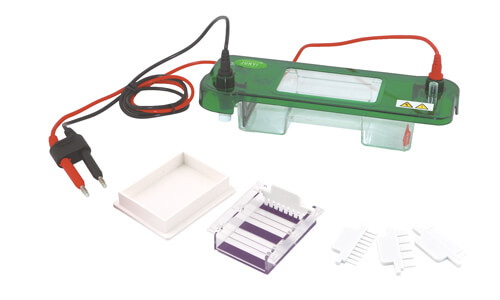
Horizontal electrophoresis is a widely utilized technique in molecular biology labs for separating macromolecules such as DNA and RNA. However, with the increased use of these technologies comes the responsibility of ensuring operator safety and following biosafety protocols. This article explores critical aspects of biosafety in horizontal electrophoresis, focusing on the specific models available and how they can be safely integrated into laboratory practices.
Understanding Biosafety in Electrophoresis
Biosafety in horizontal electrophoresis involves creating a safe environment for laboratory personnel while handling biological samples and reagents. Assessing the risks associated with the use of electrophoresis equipment is crucial, especially regarding potential exposure to hazardous materials and the need for decontamination processes. Laboratories should adhere to the appropriate biosafety level (BSL) standards, emphasizing the necessity for personal protective equipment (PPE) and proper waste disposal methods.
Key Biosafety Protocols for Horizontal Electrophoresis
Implementing effective biosafety protocols requires an understanding of contamination risks associated with electrophoresis. Every laboratory should develop robust standard operating procedures (SOPs) that cover:
- Use of PPE: Gloves, lab coats, and eyewear should always be used when handling samples.
- Decontamination procedures: Regular cleaning of surfaces and instruments with suitable disinfectants.
- Aerosol containment: Utilize equipment that minimizes aerosol generation during sample processing.
- Waste management: Proper disposal of biohazardous waste to prevent environmental contamination.
Comparison of Available Models
| Model | Gel Size (WxL, mm) | Sample Volume | Buffer Volume | Dimensions (LxWxH, mm) | Net Weight (Kg) | Best for |
|---|---|---|---|---|---|---|
| YR03415 | 186x205 | 3, 5, 9 | ~150 | 250x90x50 | 0.4 | Versatile experiments in gel electrophoresis |
| YR03416 | 78x100 | 10, 15 | ~400 | 365x105x55 | 0.6 | Small sample tests and analysis |
| YR03417 | 60x60 to 120x120 | 3, 6, 8, 11, 13, 18, 25 | ~550 | 300x160x75 | 1.1 | Flexible for various sample sizes |
| YR03418 | 70x70 to 140x140 | 1, 2, 3, 6, 8, 14, 17, 29 | ~900 | 390x187x63 | 2.0 | High-throughput applications |
| YR03419 | 48x75 to 130x130 | 3, 5, 10, 15, 26 | ~600 | 305x152x80 | 1.7 | Routine laboratory analysis |
| YR03420 | 100x200 | 17, 22, 36, 44 | ~1800 | 397x230x93 | 3.3 | Advanced research applications |
Common Mistakes and How to Avoid Them
Laboratories often encounter several pitfalls when implementing biosafety protocols in horizontal electrophoresis. Common mistakes include inadequate training for personnel, neglecting regular maintenance of equipment, and failing to document safety procedures. To avoid these issues, laboratories should provide comprehensive training sessions, develop a maintenance schedule for instruments, and ensure that all protocols are documented and accessible. Regular audits can help identify gaps in biosafety practices.
Best Practices for Sample Handling in Horizontal Electrophoresis
Effective sample handling is critical to ensuring biosafety in horizontal electrophoresis. Follow these best practices:
- Label all samples clearly to avoid cross-contamination.
- Use dedicated pipettes and tips for handling hazardous samples.
- Implement a systematic workflow to minimize sample handling time and exposure.
Risk Assessment and Management in Electrophoresis Laboratories
Conducting regular risk assessments is essential for identifying potential hazards in a horizontal electrophoresis laboratory. This involves evaluating the types of samples processed, the reagents used, and the equipment in operation. Implementing a risk management plan helps in mitigating identified risks, ensuring that all laboratory personnel understand the necessary precautions to take when working with electrophoresis equipment.
Performance Evaluation of Horizontal Electrophoresis Models
Performance evaluation should be a standard practice for assessing how well various horizontal electrophoresis models align with biosafety protocols. Criteria for evaluation include throughput, sample size versatility, and compliance with safety regulations. Laboratories can use performance data to determine the most suitable model for their specific applications while ensuring optimal safety measures are in place.
Frequently Asked Questions
What biosafety measures should I implement when using horizontal electrophoresis equipment?
To ensure safety when using horizontal electrophoresis models like the YR03415, laboratories should implement PPE protocols, maintain clean equipment, and develop decontamination procedures to address any biological hazards effectively.
How can I assess the risks associated with horizontal electrophoresis?
Conducting risk assessments involves analyzing the samples used, the reagents involved, and potential hazards of models like YR03420. Regular evaluations can help identify necessary precautions for safe operation.
Which horizontal electrophoresis model is best for high-throughput applications?
For high-throughput applications, the YR03418 model is ideal due to its capacity for larger sample volumes and buffer management, allowing for efficient and safe processing in busy laboratories.
What are the common hazards in using horizontal electrophoresis equipment?
Common hazards include exposure to hazardous biological materials, potential for spills, and aerosol generation. Models like YR03419 have features that help mitigate these risks through design and function.
How do I maintain compliance with biosafety regulations in electrophoresis?
Compliance involves regular inspections, adherence to SOPs, and using models like YR03416 equipped with safety features. Documenting all practices ensures accountability and adherence to standards.
What personal protective equipment is necessary for operating horizontal electrophoresis devices?
Essential PPE includes gloves, lab coats, and face shields, especially when handling samples with models such as YR03417 that may pose biohazard risks during electrophoresis.
How can I improve operator safety in my electrophoresis laboratory?
Improving operator safety can be achieved by implementing rigorous training programs and utilizing models like YR03420 that offer built-in safety features to minimize exposure risks.
What should I do if a contamination incident occurs during electrophoresis?
In the event of contamination, immediately follow the appropriate decontamination protocols and ensure that affected areas and equipment are cleaned according to the guidelines established in your lab's SOPs.
If you are looking for a fusion of innovation and quality, you have come to the right place. At Kalstein, we offer you the luxury of exploring our exclusive catalog of laboratory equipment. We manufacture every device to the highest standards of excellence. Our intuitive and seamless online purchasing channels are designed for your convenience, securing the most competitive prices. Hesitate no longer — we bring science to life, it is time to become part of our community.