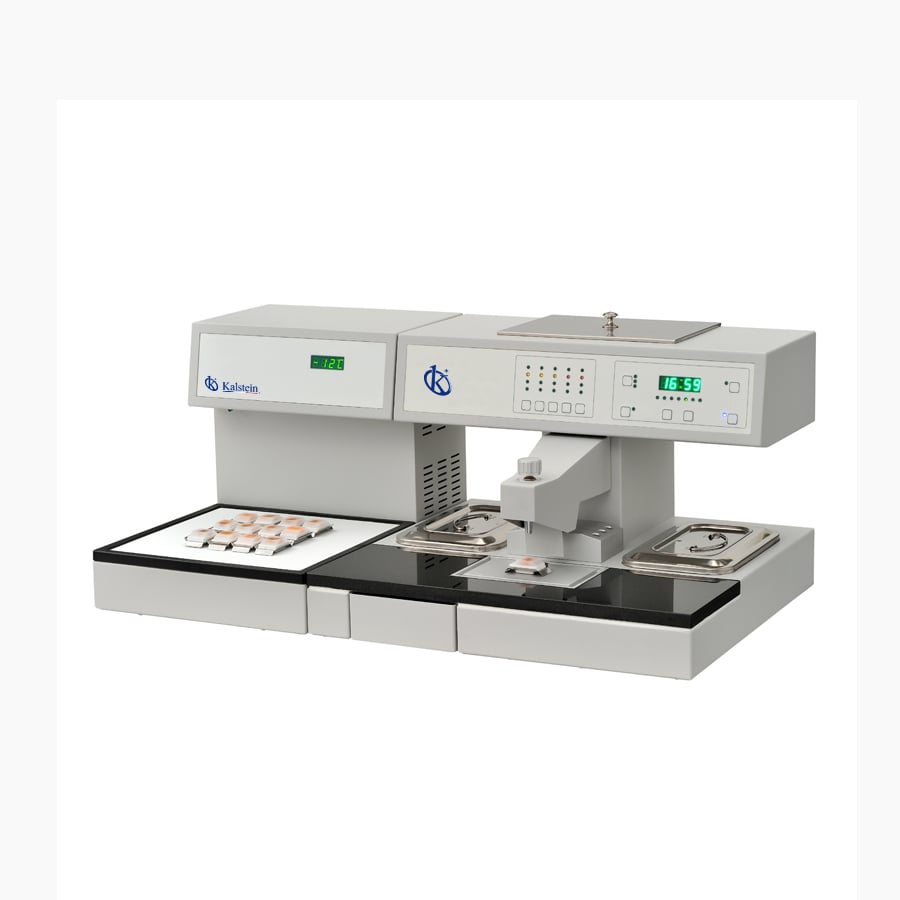
How to Ensure ISO/IEC Compliance with Tissue Embedding Systems
In laboratory settings, particularly in pathological anatomy, adherence to ISO/IEC norms is critical for ensuring quality and reliability. Tissue embedding systems are essential in histology labs and play a pivotal role in the preparation of tissue samples for microscopic examination. This article will delve into the various models available in the market, their compliance with ISO/IEC standards, and how they can be effectively integrated into laboratory workflows to meet regulatory requirements.
Understanding ISO/IEC Standards and Their Importance
ISO/IEC standards provide frameworks that ensure quality, safety, and efficiency in laboratory processes. For instance, ISO 17025 outlines the requirements for the competence of testing and calibration laboratories, while ISO 15189 specifically applies to medical laboratories. Adhering to these standards helps laboratories maintain credibility and operational excellence.
Key ISO/IEC Norms Relevant to Tissue Embedding Systems
Several ISO/IEC standards are particularly relevant to tissue embedding systems:
- ISO 17025: Ensures laboratories prove their competency in producing valid and reliable results.
- ISO 15189: Focuses on quality and competence specific to medical laboratories.
- IEC 61010: Addresses safety requirements and ensures that laboratory equipment operates safely.
How Tissue Embedding Systems Assist in Compliance
Tissue embedding systems such as the YR441, YR447, and YR445 offer features that align with ISO/IEC compliance requirements:
- Programmable Functions: These systems allow for automatic operation, which helps maintain consistency in sample preparation.
- Temperature Control: Precise temperature control (±1%) is critical in maintaining sample integrity and is a requirement in many ISO/IEC standards.
- Documentation: Most modern systems provide digital records that are essential for traceability and audits.
Comparison of Available Models
| Model | ISO/IEC Clauses Covered | Traceability Features | Best For |
|---|---|---|---|
| YR441 | ISO 17025 | Programmable records | Histology labs |
| YR447 | ISO 15189 | Real-time monitoring | Medical diagnostics |
| YR439 | IEC 61010 | Integrated safety protocols | Research labs |
| YR445 | ISO 17025 | Automated data logging | Educational institutions |
Common Mistakes and How to Avoid Them
Laboratories often make mistakes that can compromise compliance with ISO/IEC norms. Here are common pitfalls and suggestions to prevent them:
- Lack of Training: Ensure all staff are adequately trained on using tissue embedding systems and understanding compliance requirements.
- Inconsistent Procedures: Establish standardized operating procedures (SOPs) for the use of these systems to maintain uniformity.
- Poor Record Keeping: Always log operational data which can be critical during audits or inspections.
Best Practices for Implementing Tissue Embedding Systems
To ensure effective use of tissue embedding systems while complying with ISO/IEC standards, consider the following best practices:
- Regular Calibration: Perform regular calibrations of the systems to ensure accuracy in temperature and performance.
- Implement Quality Control: Utilize internal and external quality control measures to validate the processes and results.
- Maintain Equipment: Regular maintenance of systems helps in prolonging their lifespan and ensures consistent performance.
Frequently Asked Questions
What are the main ISO standards applicable to tissue embedding systems?
Main ISO standards include ISO 17025 and ISO 15189, which focus on laboratory competence and quality management. Models like YR441 comply with these standards through programmable features and precise temperature control.
How can I ensure my tissue embedding system meets ISO 17025 requirements?
To ensure compliance with ISO 17025, utilize models like YR447 that provide automated documentation and temperature precision, critical for maintaining sample integrity.
What role does traceability play in laboratory compliance with ISO standards?
Traceability is essential for meeting ISO standards. Systems such as YR445 log data that can be referenced during audits, ensuring accountability in processes.
Which tissue embedding systems are best for medical laboratories under ISO 15189?
Models like YR447 are optimal for medical laboratories as they support real-time monitoring and documentation, meeting the stringent requirements of ISO 15189.
How often should I calibrate my tissue embedding system for compliance?
Calibration should be performed regularly, ideally every 6 to 12 months, to ensure compliance with ISO and IEC standards, maintaining accuracy in models like YR439.
What are the common mistakes in using tissue embedding systems for regulatory compliance?
Common mistakes include inadequate training and inconsistent procedures. Ensuring comprehensive staff training and implementing SOPs can help avoid these issues.
How can tissue embedding systems help in maintaining quality assurance?
Tissue embedding systems like YR441 support quality assurance by providing precise temperature control and programmable documentation features, essential for compliance with ISO standards.
What are the best practices for using tissue embedding systems in compliance with IEC 61010?
Best practices include regular maintenance and implementing safety protocols integrated into systems like YR445, ensuring they operate safely and reliably in accordance with IEC 61010.
If you are looking for a fusion of innovation and quality, you have come to the right place. At Kalstein, we offer you the luxury of exploring our exclusive catalog of laboratory equipment. We manufacture every device to the highest standards of excellence. Our intuitive and seamless online purchasing channels are designed for your convenience, securing the most competitive prices. Hesitate no longer — we bring science to life, it is time to become part of our community.