How to Enhance Energy Sustainability in Veterinary Color Doppler Systems
In the veterinary field, the adoption of energy-efficient technologies is paramount for reducing the environmental footprint of diagnostic processes. Veterinary Color Doppler systems play a crucial role in providing real-time imaging for veterinary diagnostics. This article delves into the models available in this subcategory, exploring their energy sustainability features, benefits, and challenges while emphasizing the importance of reducing environmental impacts through innovative technology.
Understanding Energy Sustainability in Veterinary Diagnostics
Energy sustainability refers to the capability of systems to meet present energy needs without compromising future generations' ability to do the same. In veterinary practices, adopting energy-efficient equipment can significantly reduce operational costs and carbon footprints. Veterinary Color Doppler systems need to align with energy sustainability principles by minimizing energy consumption during operations while maximizing diagnostic efficacy.
Key Models in Veterinary Color Doppler Systems
Three prominent models in the Veterinary Color Doppler category include:
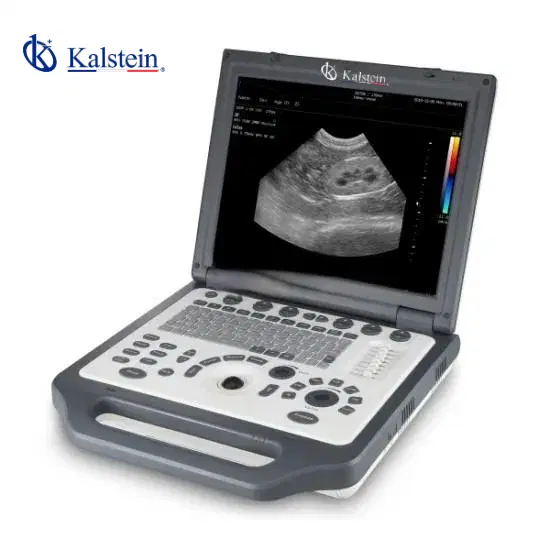
- Veterinary Laptop with Color Doppler YR06139: A portable solution weighing less than 5kg, ideal for on-the-go diagnostics. It includes a rechargeable lithium battery, enhancing its energy efficiency.
- Veterinary Color Doppler System YR06140: This system features the latest digital imaging technology, which reduces the need for excessive power usage while delivering high-quality images.
- Veterinary Doppler Color Cart YR06141: With a high-resolution touch screen and multiple connectivity options, it ensures efficient data management while supporting energy efficiency through advanced imaging technologies.
Comparison of Available Models
| Model | Weight | Price (USD) | Energy Features | Best for |
|---|---|---|---|---|
| YR06139 | Under 5kg | 7700.00 | Rechargeable lithium battery | Portable diagnostics |
| YR06140 | - | 5300.00 | Digital imaging technology | High-quality imaging |
| YR06141 | - | 14500.00 | Advanced imaging technologies | Comprehensive diagnostics |
Energy Consumption and Environmental Impact
Measuring energy consumption in veterinary diagnostics is critical for assessing the environmental impact of practices. For example, the Veterinary Laptop with Color Doppler YR06139 uses less energy due to its built-in battery, allowing for energy savings during usage. Meanwhile, YR06140's advanced imaging technologies optimize power consumption, leading to lower operational costs. Evaluating the kWh consumed per diagnostic session can help practices decide which model to invest in for sustainable operations.
Common Mistakes and How to Avoid Them
It is common for veterinary practices to overlook energy efficiency when selecting diagnostic equipment. A frequent mistake involves focusing solely on image quality without considering energy consumption. To avoid this, practitioners should conduct thorough research on energy features alongside performance metrics. Additionally, understanding the total cost of ownership, including energy costs, can drive more sustainable purchasing decisions.
Technological Innovations Supporting Energy Efficiency
Technological advancements are pivotal in enhancing energy efficiency in veterinary Color Doppler systems. Features like energy-efficient screens, advanced software algorithms for image processing, and power-saving modes during idle time can significantly lower energy consumption. Models like YR06140 are equipped with powerful software that streamlines processes, reducing the need for extended operational hours.
Lifecycle Assessment for Sustainability
Implementing lifecycle assessment (LCA) helps evaluate the environmental impacts associated with all stages of a product's life from extraction, through production and use, to disposal. The Veterinary Color Doppler systems can be assessed for their energy consumption, material use, and end-of-life disposal. This assessment can guide decision-making towards models that not only perform well but also align with sustainability goals.
Future Trends in Energy Efficiency for Veterinary Equipment
The veterinary industry is moving towards more sustainable practices, and energy-efficient diagnostic equipment is at the forefront. Future trends may include increased integration of renewable energy sources, such as solar power for charging equipment. Moreover, manufacturers will likely focus on developing more compact, energy-efficient models, minimizing resource use while maximizing performance.
Frequently Asked Questions
What energy-efficient features should I consider in Veterinary Color Doppler systems?
Look for models with rechargeable batteries, such as the Veterinary Laptop with Color Doppler YR06139, which optimizes energy use and reduces reliance on constant power supply. Advanced imaging technologies in models like YR06140 also contribute to lower energy consumption during diagnostics.
How do Veterinary Color Doppler systems reduce environmental impact?
These systems minimize environmental impact by using energy-efficient technologies, such as the advanced imaging capabilities of YR06140. Their design helps in reducing power consumption while maintaining high diagnostic quality, resulting in a smaller carbon footprint for veterinary practices.
Which model offers the best energy savings in Veterinary Color Doppler systems?
The Veterinary Laptop with Color Doppler YR06139 is known for its energy-saving capabilities due to its rechargeable lithium battery, allowing for mobile diagnostics without the need for constant electrical supply, thus lowering energy costs significantly.
How can a lifecycle assessment help in choosing a Veterinary Color Doppler model?
A lifecycle assessment helps evaluate the environmental impact of each model, including energy consumption and resource use. For example, assessing the Veterinary Doppler Color Cart YR06141 can reveal how its advanced technologies contribute to energy efficiency over its lifecycle.
What is the importance of energy sustainability in veterinary diagnostics?
Energy sustainability in veterinary diagnostics is crucial as it reduces operational costs and minimizes the ecological footprint. Investing in energy-efficient models like YR06140 supports sustainable practices while ensuring effective patient diagnostics.
How to evaluate the energy consumption of Veterinary Color Doppler systems?
Evaluate energy consumption by analyzing kWh used per diagnostic session. Look for specifications from models like YR06141 that highlight their energy efficiency features, helping you to make informed decisions aligned with sustainability goals.
What role does technology advancement play in energy savings for Veterinary Color Doppler systems?
Technological advancements significantly enhance energy savings by improving efficiency in imaging processes. Models such as YR06140 utilize digital imaging technology that reduces power usage while maintaining high-quality outcomes, demonstrating the role of innovation in sustainability.
How can veterinary practices implement energy-efficient solutions?
Veterinary practices can implement energy-efficient solutions by selecting models that prioritize sustainability, such as the Veterinary Laptop with Color Doppler YR06139. Training staff on energy-saving practices and updating equipment regularly can further enhance efficiency.
If you are looking for a fusion of innovation and quality, you have come to the right place. At Kalstein, we offer you the luxury of exploring our exclusive catalog of laboratory equipment. We manufacture every device to the highest standards of excellence. Our intuitive and seamless online purchasing channels are designed for your convenience, securing the most competitive prices. Hesitate no longer — we bring science to life, it is time to become part of our community.