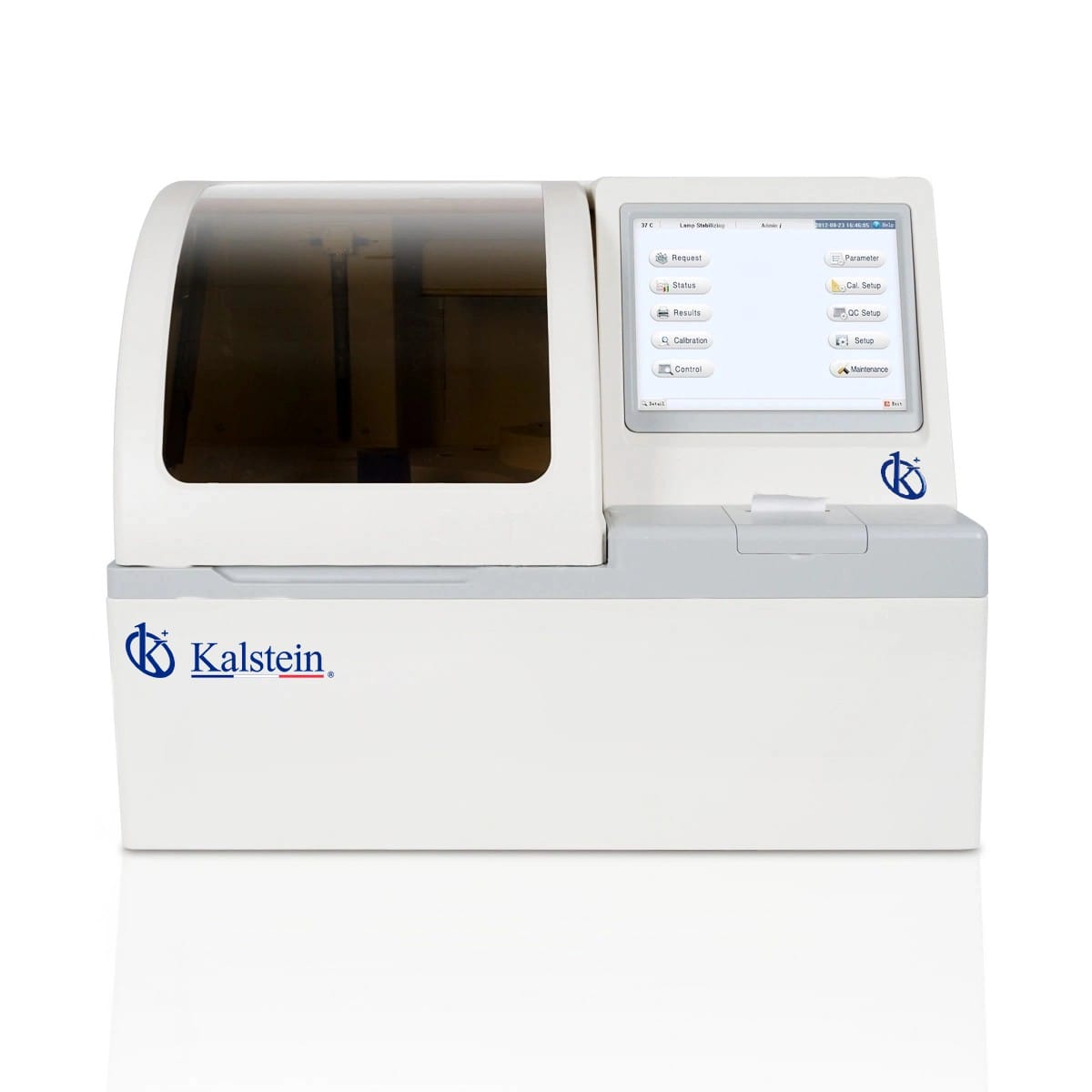
Energy Sustainability in Veterinary Chemistry Analyzers: A Comprehensive Guide
As the push for sustainable practices gains momentum, veterinary chemistry analyzers have emerged as crucial tools for reducing the energy footprint in veterinary laboratories. This guide delves into multiple models, examining their features and contributions to energy sustainability.
Understanding Energy Sustainability in Veterinary Analyzers
Energy sustainability refers to the practice of utilizing energy sources efficiently to minimize environmental impact. In veterinary laboratories, the choice of chemistry analyzer can significantly affect energy consumption. By adopting energy-efficient models, laboratories not only comply with environmental standards but also realize operational cost savings over time.
Key Factors Impacting Energy Consumption
Several factors contribute to the energy consumption of veterinary chemistry analyzers. These include the analyzer's operating mode, sample processing capacity, and the efficiency of its components. For instance, analyzers that utilize micro-volume samples, such as the Automatic Veterinary Chemistry Analyzer YR06168, can significantly reduce reagent waste and energy expenditure.
Energy Efficiency Features
Many modern analyzers come equipped with features that enhance energy efficiency. These may include:
- Low-energy consumption components
- Efficient heating systems
- Optimized software for minimal energy use during operations
Comparative Analysis of Veterinary Chemistry Analyzers
In this section, we will compare various models based on their energy efficiency, waste reduction capabilities, and overall performance in reducing environmental footprints.
| Model | Energy Consumption (kWh/run) | Reagent Savings (%) | Best Use Case |
|---|---|---|---|
| YR06168 | 0.5 | 30 | High-throughput laboratories |
| YR06169 | 0.3 | 25 | Portable testing environments |
| YR06172 | 0.2 | 20 | Field testing with minimal equipment |
| YR06174 | 0.6 | 15 | Equine and large animal diagnostics |
| YR06077 | 0.4 | 22 | Multi-animal clinics |
Common Mistakes and How to Avoid Them
When selecting a veterinary chemistry analyzer, laboratories often face challenges that lead to inefficiencies. Here are some common mistakes and solutions:
- Overlooking energy specifications: Always check the energy consumption rating before purchasing.
- Ignoring reagent efficiency: Select models that minimize reagent usage, like the YR06168.
- Not considering future scalability: Choose analyzers that can adapt to increasing testing demands.
Frequently Asked Questions
How much does an energy-efficient veterinary chemistry analyzer reduce operational costs?
Energy-efficient models like the Automatic Veterinary Chemistry Analyzer YR06168 can save up to 30% on reagents, which translates to significant cost reductions over time. This efficiency directly impacts operational expenses, making it a smart investment for laboratories.
Which veterinary chemistry analyzer is best for reducing environmental footprints?
The Portable Veterinary Chemistry Analyzer YR06169 is designed with minimal energy consumption in mind, using only 0.3 kWh per run while providing fast results, making it a great option for environmentally conscious labs.
What are the energy consumption standards for veterinary analyzers?
Most modern veterinary chemistry analyzers are designed to operate efficiently, with models like the Quantitative Veterinary Immunofluorescence Analyzer YR06172 consuming only 0.2 kWh per test, adhering to energy consumption standards.
How do I choose a veterinary chemistry analyzer that meets sustainability goals?
Selecting models like the Blood Gas and Electrolyte Analyzer YR06174, which feature low energy consumption and efficient reagent use, can help laboratories meet sustainability goals while maintaining diagnostic accuracy.
Can portable veterinary analyzers contribute to energy efficiency?
Yes, portable analyzers like the YR06169 are designed for energy efficiency, enabling quick diagnostics with minimal energy and reagent consumption, making them ideal for field applications.
What role does reagent selection play in energy sustainability?
Choosing analyzers that support micro-volume sampling, such as the Chemical Veterinary Analyzer YR06077, helps reduce reagent waste significantly, thereby enhancing energy sustainability in laboratory operations.
Conclusion
Investing in energy-efficient veterinary chemistry analyzers is not just a trend; it is a necessity for modern laboratories aiming for sustainability. These models not only contribute to a reduced environmental footprint but also offer cost savings that enhance operational efficiency. For a quote on our range of veterinary chemistry analyzers, please reach out.
If you are looking for a fusion of innovation and quality, you have come to the right place. At Kalstein, we offer you the luxury of exploring our exclusive catalog of laboratory equipment. We manufacture every device to the highest standards of excellence. Our intuitive and seamless online purchasing channels are designed for your convenience, securing the most competitive prices. Hesitate no longer — we bring science to life, it is time to become part of our community.