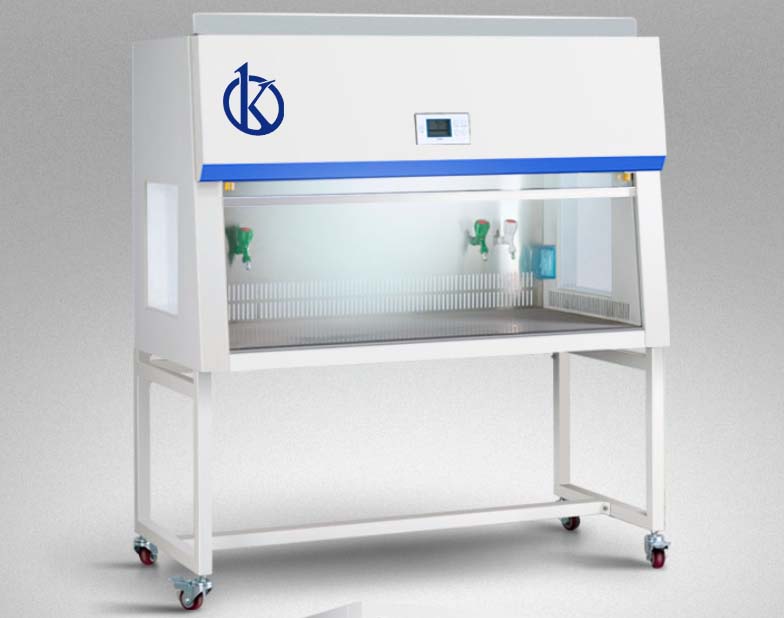
How to Enhance Energy Sustainability with Vertical Laminar Flow Clean Benches
In the ever-evolving field of laboratory equipment, energy sustainability and minimizing environmental footprints have become critical. Vertical laminar flow clean benches play a pivotal role in ensuring a clean working environment while also contributing to energy efficiency. This article delves into how these clean benches can be optimized for energy sustainability, examining various models, comparing their features, and providing insights into common practices that labs can adopt.
Understanding Energy Sustainability in Laboratory Contexts
Energy sustainability in laboratories refers to practices and technologies that reduce energy consumption while maintaining operational efficiency. Clean benches are vital in providing protection for sensitive samples against contamination. However, their energy consumption can vary significantly. By evaluating the energy efficiency of different models, laboratories can not only reduce operating costs but also contribute to environmental conservation efforts.
Key Features of Vertical Laminar Flow Clean Benches
Vertical laminar flow clean benches are designed to create a sterile environment by directing filtered air downwards. Their features are instrumental in ensuring both functionality and energy efficiency:
- HEPA Filters: Most models utilize HEPA filters that capture 99.99% of particles, which enhances air quality and reduces energy wastage by requiring less frequent replacements.
- Adjustable Airflow: Models like YR05267-1 allow operators to adjust airflow speeds (0.3~0.6 m/s), optimizing energy use depending on specific laboratory needs.
- Lighting Systems: Efficient LED lighting in models such as YR05736 not only provides adequate visibility but also minimizes energy consumption compared to traditional lighting methods.
Comparison of Available Models
| Model | Energy Consumption (W) | HEPA Filter Efficiency (%) | Airflow Speed (m/s) | Best Application |
|---|---|---|---|---|
| YR05267-1 | 400 | 99.99 | 0.3 - 0.6 | Biotechnology, pharmaceuticals |
| YR05734 | 240 | 100 | 0.25 - 0.45 | Scientific experiments |
| YR05735 | 300 | 100 | 0.25 - 0.45 | Medical and health projects |
| YR05736 | 420 | 100 | 0.25 - 0.45 | Clinical applications |
| YR05737 | 650 | 100 | 0.25 - 0.45 | High-precision work |
| YR05738 | 400 | 100 | 0.25 - 0.45 | Food safety, electronics |
Common Mistakes and How to Avoid Them
Laboratories aiming for energy sustainability often make several common mistakes that can hinder their goals:
- Neglecting Maintenance: Regular maintenance of HEPA filters, like those in the YR05736 model, is crucial for optimal performance and energy efficiency.
- Overlooking User Training: Proper training for users on how to utilize airflow settings can lead to significant energy savings.
Concrete Strategies for Reducing Energy Footprint
Here are several strategies that labs can adopt to enhance energy sustainability while using vertical laminar flow clean benches:
- Implement Smart Controls: Utilize timers and sensors to reduce operating time when the bench is not in use.
- Conduct Energy Audits: Regularly assess energy usage and identify areas for improvement. For instance, ensuring the YR05734’s lights are not left on during non-operational hours can save energy.
Lifecycle Assessment of Vertical Laminar Flow Clean Benches
A lifecycle assessment (LCA) helps laboratories evaluate the environmental impacts of clean benches from production to disposal. Key aspects to consider include:
- Material Sourcing: Ensure that the materials used in models like YR05738 are sourced sustainably.
- End-of-Life Disposal: Develop a disposal plan for electronic components to minimize e-waste.
Frequently Asked Questions
What energy consumption levels are typical for vertical laminar flow clean benches?
The energy consumption of vertical laminar flow clean benches varies by model, with the YR05267-1 using approximately 400W and other models like YR05734 using as low as 240W. Choosing energy-efficient models is crucial for sustainability.
How can I reduce the environmental footprint of my laboratory using clean benches?
To reduce your laboratory's environmental footprint, consider models like YR05736 that are designed for energy efficiency, and implement practices such as regular maintenance and adjustable airflow settings to optimize performance.
Which vertical laminar flow clean bench is best for biotechnology applications?
The YR05267-1 model is ideal for biotechnology applications due to its energy-efficient design and reliable HEPA filter, ensuring a clean environment for sensitive experiments.
What maintenance practices enhance the lifespan of clean benches?
Regular maintenance, particularly for the HEPA filters in models like the YR05734, is essential for ensuring optimal performance and energy efficiency. Following the manufacturer's guidelines will enhance lifespan significantly.
How do airflow settings impact energy usage in clean benches?
Adjusting airflow settings can significantly impact energy usage. For example, the YR05735 can operate between 0.25 to 0.45 m/s, and optimizing this based on specific tasks can help conserve energy.
What factors should I consider when choosing a vertical laminar flow clean bench?
When selecting a clean bench, consider the model’s energy consumption, HEPA filter efficiency, and specific applications, as seen in the YR05738, which is excellent for food safety and medical uses.
How frequently should HEPA filters be replaced in clean benches?
HEPA filters should typically be replaced every 6 to 12 months depending on the usage and specific model, such as the YR05736, which requires regular checks to maintain energy efficiency.
Conclusion
Energy sustainability is increasingly becoming a priority in laboratory environments. By carefully selecting models of vertical laminar flow clean benches, such as the YR05267-1 and others, laboratories can significantly reduce their energy footprints while maintaining high operational standards. Implementing the strategies discussed here not only contributes to environmental conservation but also enhances operational efficiency.
If you are looking for a fusion of innovation and quality, you have come to the right place. At Kalstein, we offer you the luxury of exploring our exclusive catalog of laboratory equipment. We manufacture every device to the highest standards of excellence. Our intuitive and seamless online purchasing channels are designed for your convenience, securing the most competitive prices. Hesitate no longer — we bring science to life, it is time to become part of our community.