How to Achieve Energy Sustainability and Reduce Environmental Footprint with Vertical Electrophoresis
In contemporary laboratory environments, the intersection of advanced technology and sustainability has become crucial. Vertical electrophoresis systems, which are primarily utilized for the separation of proteins, also pose significant implications for energy consumption and environmental footprint. This article will delve into how each model of vertical electrophoresis contributes toward energy sustainability and how to optimize their use to minimize environmental impact.
Understanding Vertical Electrophoresis: The Foundation of Sustainable Practices
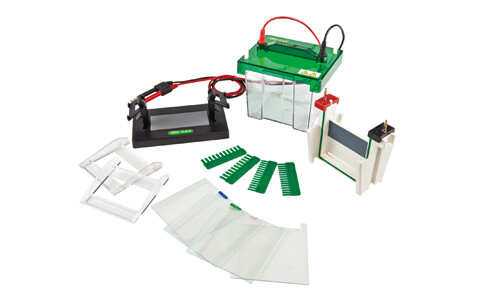
Vertical electrophoresis is a technique widely employed in biochemistry for protein separation. Unlike horizontal systems, vertical setups allow for greater resolution and efficiency in separating complex protein mixtures. Models such as the Mini-Protean Vertical Electrophoresis Cell YR03425 and YR03426 exemplify this capability while incorporating features that align with modern sustainability practices.
Achieving energy sustainability begins with understanding the operational needs of each electrophoresis model. The following models will be explored for their efficiency, consumption metrics, and contributions to minimizing the laboratory's carbon footprint:
- YR03425: Known for rapid gel installation and compact design.
- YR03426: Offers options for multiple gel casting.
- YR03427: Features a user-friendly design for quick sample handling.
- YR03428: Allows for larger sample volumes with minimal energy consumption.
- YR03429: Maximizes throughput while maintaining low energy use.
- YR03430: Enhances the speed of experiments while optimizing energy requirements.
Energy Consumption Metrics of Vertical Electrophoresis Models
When evaluating vertical electrophoresis systems, energy consumption is paramount. The efficiency of these systems can significantly influence the total energy usage of laboratory operations. The following table outlines the energy consumption metrics for various models:
| Model Code | Average Energy Consumption (kWh/run) | Sample Capacity | Best Use Case |
|---|---|---|---|
| YR03425 | 0.5 | 11-15 wells | Small sample runs |
| YR03426 | 0.7 | 1-4 gels simultaneously | High-throughput labs |
| YR03427 | 0.6 | 11-60 wells | Complex protein analyses |
| YR03428 | 0.8 | 25-52 wells | Large volume separations |
| YR03429 | 1.0 | 25-52 wells | High resolution requirements |
| YR03430 | 0.7 | 25-52 wells | Quick test scenarios |
Reducing Environmental Footprint with Efficient Practices
Laboratories can adopt a range of practices to minimize their environmental impact while using vertical electrophoresis systems. Key strategies include:
- Optimize Sample Throughput: Utilizing models like YR03428 and YR03429 that allow for larger sample sizes can reduce the number of runs needed, decreasing energy consumption.
- Utilize Energy-Efficient Settings: Most modern electrophoresis systems are equipped with features that reduce energy usage during peak operations. Customizing settings to match experimental needs is crucial.
- Implement Regular Maintenance: Ensuring that all systems are regularly maintained helps improve efficiency and prolongs equipment life, contributing to sustainability.
Comparison of Available Models
| Model Code | Energy Consumption (kWh/run) | Sample Volume (ml) | Weight (Kg) | Price (USD) |
|---|---|---|---|---|
| YR03425 | 0.5 | 750 | 1.5 | 303.00 |
| YR03426 | 0.7 | 1000 | 2.5 | 405.00 |
| YR03427 | 0.6 | 1200 | 2.5 | 517.20 |
| YR03428 | 0.8 | 1800 | 3.2 | 173.40 |
| YR03429 | 1.0 | 3500 | 5.6 | 238.20 |
| YR03430 | 0.7 | 1800 | 2.2 | 339.60 |
Common Mistakes and How to Avoid Them
When incorporating vertical electrophoresis systems into laboratory operations, it is important to avoid common pitfalls that can undermine sustainability goals. Here are some mistakes to watch out for:
- Overloading Gel Capacity: Using larger volumes than recommended can lead to inefficient separations and increased energy usage.
- Ignoring Maintenance: Regularly checking and maintaining equipment ensures optimal performance and minimizes energy waste.
- Not Training Staff: Proper training on efficient use and maintenance of electrophoresis equipment can significantly reduce environmental impacts.
Frequently Asked Questions
How does energy consumption vary among different vertical electrophoresis models?
The energy consumption varies significantly among vertical electrophoresis models. For instance, the YR03425 consumes only 0.5 kWh per run, making it suitable for low-energy applications, while the YR03429 operates at 1.0 kWh/run, ideal for high-resolution separations.
Which vertical electrophoresis model is best for minimizing environmental impact?
The Mini-Protean Vertical Electrophoresis Cell YR03425 is best for minimizing environmental impact due to its low energy consumption of 0.5 kWh per run and its efficient sample capacity of 11-15 wells.
What practices can reduce the carbon footprint in vertical electrophoresis labs?
To reduce the carbon footprint, laboratories should optimize sample throughput, choose energy-efficient settings, and adhere to a regular maintenance schedule for their vertical electrophoresis systems, such as YR03426 and YR03430.
How can I achieve sustainability with vertical electrophoresis in my lab?
Achieving sustainability involves selecting energy-efficient models like YR03428, implementing optimizations for sample runs, and regularly maintaining equipment to ensure optimal performance and low energy usage.
What is the average energy consumption of vertical electrophoresis equipment?
The average energy consumption for vertical electrophoresis equipment can range from 0.5 kWh for models like YR03425 to up to 1.0 kWh for models such as YR03429, depending on their operational capacities.
Which vertical electrophoresis model is suitable for high-throughput applications?
The Mini-Protean Vertical Electrophoresis Cell YR03426 is well-suited for high-throughput applications as it allows for simultaneous casting of 1-4 gels, contributing to increased efficiency and reduced energy waste.
How often should vertical electrophoresis equipment be maintained for optimal performance?
Regular maintenance of vertical electrophoresis equipment, such as every 3-6 months depending on usage, is crucial for optimal performance. This includes checking seals and ensuring gel integrity in models like YR03427.
What is the cost of energy-efficient vertical electrophoresis systems?
Energy-efficient vertical electrophoresis systems vary in cost, with models like YR03425 priced at approximately $303.00 due to their lower energy consumption and effective performance, making them budget-friendly for labs.
If you are looking for a fusion of innovation and quality, you have come to the right place. At Kalstein, we offer you the luxury of exploring our exclusive catalog of laboratory equipment. We manufacture every device to the highest standards of excellence. Our intuitive and seamless online purchasing channels are designed for your convenience, securing the most competitive prices. Hesitate no longer — we bring science to life, it is time to become part of our community.