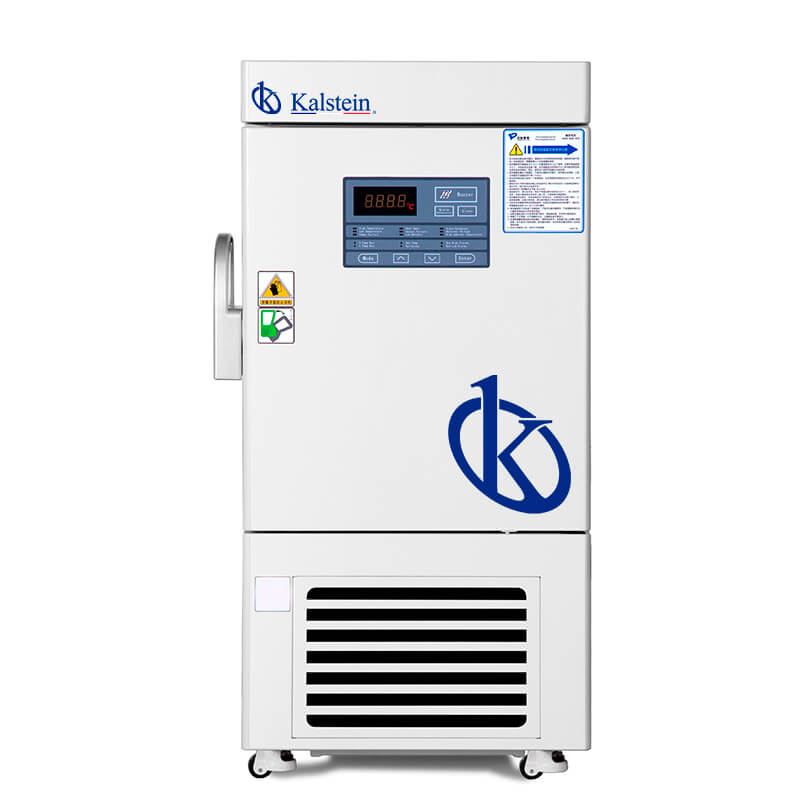
How to Achieve Energy Sustainability and Reduce Environmental Footprint with Ultra Freezers
In today’s laboratory environments, the push towards energy sustainability and minimizing environmental impact is paramount. Ultra freezers, designed for the long-term storage of biological products, play a crucial role in this endeavor. These devices not only ensure the safe preservation of samples such as viruses, blood components, and cellular materials but also contribute significantly to energy consumption and carbon footprint. This article delves into how selecting the appropriate ultra freezer can lead to substantial improvements in energy efficiency and sustainability.
Understanding the Energy Footprint of Ultra Freezers
Ultra freezers operate at extreme temperatures of -40°C to -86°C, making their energy efficiency critical for laboratories. The average energy consumption of ultra freezers can vary significantly based on model specifications and usage patterns. For instance, the Freezer YR05106 consumes approximately 5.6 kWh per 24 hours, while the more robust model YR05111 draws 18.8 kWh. Evaluating the energy needs of each model is essential for labs seeking to minimize their operational costs and environmental footprint.
Key Energy Efficiency Features in Ultra Freezers
Different models of ultra freezers incorporate various energy-efficient technologies aimed at reducing overall energy usage. For example, models such as the YR05108 feature advanced insulation materials that help maintain lower temperatures with less power. Additionally, the use of microprocessor temperature controls, as seen in models like the YR05109 and YR05110, allows for more precise temperature management, further optimizing energy consumption.
Lifecycle Assessment of Ultra Freezers
Conducting a lifecycle assessment (LCA) allows laboratories to evaluate the environmental impact of ultra freezers from production to disposal. By assessing factors such as energy consumption, refrigerant types, and material choices, labs can determine which models have a lower ecological footprint. Models that utilize eco-friendly refrigerants and have a longer lifespan, like the YR05107, are favorable for sustainability goals.
Reduction Strategies for Energy Consumption
To reduce energy consumption effectively, laboratories can implement several strategies, including proper placement of ultra freezers to avoid direct sunlight, maintaining them at optimal temperatures, and ensuring regular maintenance to prevent operational inefficiencies. Additionally, labs can consider staggered usage of freezers based on the research cycle to minimize the number of units running simultaneously.
Regulatory Compliance and Sustainability Goals
Adhering to regulatory guidelines such as ISO 14001 for environmental management can enhance sustainability in laboratory operations. Implementing energy-efficient ultra freezers contributes to compliance with these standards while also achieving organizational sustainability goals. Laboratories utilizing models like YR05106 can better track their energy use to align with these regulations.
Cost-Benefit Analysis of Energy-Efficient Ultra Freezers
A cost-benefit analysis helps laboratories understand the financial implications of investing in energy-efficient ultra freezers. While models like the YR05111 have a higher upfront cost of $4760, their energy savings over time can lead to lower operational costs, making them a viable option for long-term investments in sustainability.
Comparison of Available Models
| Model | Energy Consumption (kWh/24h) | Price (USD) | Best for |
|---|---|---|---|
| YR05106 | 5.6 | 1450.00 | Basic storage needs |
| YR05107 | 8.2 | 2100.00 | Medium-scale applications |
| YR05108 | 12 | 2750.00 | High-volume storage |
| YR05109 | 16.5 | 3380.00 | Research institutions |
| YR05110 | 20 | 4040.00 | Advanced laboratory settings |
| YR05111 | 18.8 | 4760.00 | Large-scale storage |
Common Mistakes and How to Avoid Them
Laboratories often make mistakes when selecting ultra freezers, including underestimating their energy needs and overlooking the importance of energy efficiency features. To avoid these mistakes, laboratories should conduct a thorough analysis of their storage requirements, consider future scalability, and prioritize models that offer energy-efficient technologies.
Frequently Asked Questions
How can ultra freezers help reduce energy consumption in laboratories?
Ultra freezers like the YR05106 are designed with energy-efficient technologies that lower power usage while maintaining critical temperatures for biological samples. By selecting models with lower kWh/day rates, laboratories can significantly reduce their overall energy footprint.
Which ultra freezer model is the most energy-efficient for long-term storage?
The YR05106 model is among the most energy-efficient, consuming only 5.6 kWh per 24 hours, making it ideal for laboratories focused on reducing energy consumption while ensuring effective long-term storage of biological materials.
What is the average lifespan of energy-efficient ultra freezers?
Typically, energy-efficient ultra freezers such as the YR05110 can have a lifespan of 10-15 years when properly maintained, translating to reduced costs and environmental impact over time compared to less efficient models.
How does the choice of refrigerant affect the environmental impact of ultra freezers?
Choosing models like the YR05109 that utilize eco-friendly refrigerants can greatly reduce the greenhouse gas emissions associated with ultra freezers, aligning with sustainability initiatives in laboratory settings.
What maintenance practices enhance the energy efficiency of ultra freezers?
Regular maintenance practices including cleaning condenser coils and ensuring proper door seals can improve the energy efficiency of ultra freezers such as the YR05108, helping to maintain optimal performance and reduce energy consumption.
How can laboratories track the energy consumption of ultra freezers?
Laboratories can implement energy monitoring systems specifically designed to track the kWh usage of models like the YR05111, enabling better management of energy consumption and facilitating compliance with sustainability goals.
What role do ultra freezers play in achieving ISO 14001 compliance?
Ultra freezers, particularly energy-efficient models such as the YR05110, play a critical role in achieving ISO 14001 compliance by minimizing energy use and related emissions, thus supporting overall environmental management systems.
How does the design of ultra freezers influence their ecological footprint?
The design of ultra freezers, like the YR05107 which boasts superior insulation and efficient cooling mechanisms, directly influences their ecological footprint by reducing energy requirements and enhancing overall sustainability in laboratory environments.
If you are looking for a fusion of innovation and quality, you have come to the right place. At Kalstein, we offer you the luxury of exploring our exclusive catalog of laboratory equipment. We manufacture every device to the highest standards of excellence. Our intuitive and seamless online purchasing channels are designed for your convenience, securing the most competitive prices. Hesitate no longer — we bring science to life, it is time to become part of our community.