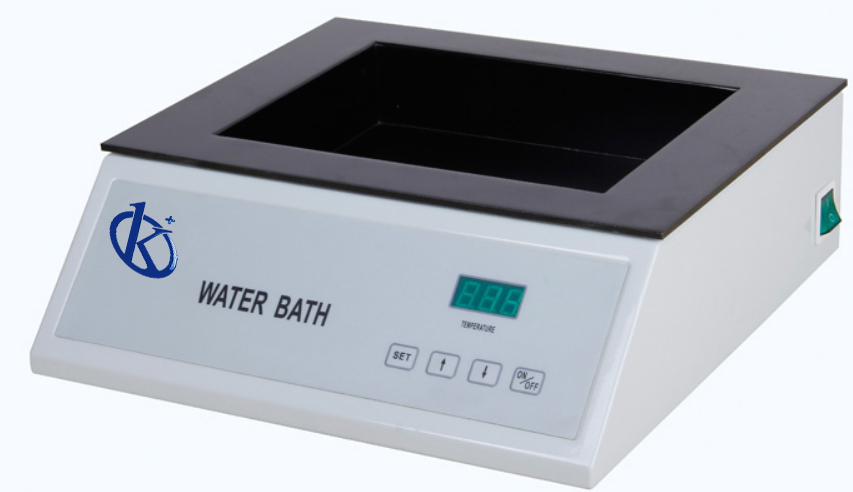
Energy Sustainability and Environmental Footprint Reduction in Tissue Water Baths
In today's laboratory environments, the need for energy sustainability and minimizing environmental footprints has become more critical than ever. Tissue water baths, essential in pathological anatomy for various applications such as histology and cytology, also play a significant role in promoting sustainable practices. This article will delve into how different models of tissue water baths, such as YR449, YR451, and YR452, contribute towards achieving energy efficiency and reducing environmental impacts.
Understanding Energy Sustainability in Laboratory Equipment
Energy sustainability refers to the responsible consumption and management of energy resources in laboratory settings. It includes reducing energy use, enhancing equipment efficiency, and utilizing technologies that support renewable energy sources. Tissue water baths are commonly utilized for heating samples; therefore, their energy consumption patterns can significantly impact laboratory operational costs and environmental footprints.
How Tissue Water Baths Contribute to Environmental Footprint Reduction
Tissue water baths are often the backbone of many lab processes, and their operational efficiency is crucial in minimizing resource waste. By optimizing the heating mechanisms and incorporating energy-efficient technologies, these devices can help labs significantly reduce their overall energy consumption. Models with advanced temperature control, like YR451, use microprocessor technology to maintain precise temperatures, resulting in lower energy waste.
Comparison of Available Models
| Model | Temperature Range (°C) | Power Consumption (W) | Dimensions (mm) | Best Applications |
|---|---|---|---|---|
| YR449 | RT to 90 | 200 | 360 × 350 × 120 | General tissue heating |
| YR451 | 0 to 85 | 400 | 515 × 420 × 150 | Advanced tissue studies |
| YR452 | RT to 75 | 500 | 515 × 420 × 160 | Specialized histology processes |
Energy Efficiency Features in Modern Tissue Water Baths
Modern tissue water baths are designed with features that enhance energy efficiency. For example, the YR449 model incorporates a new type of heating element that facilitates rapid heating while minimizing energy consumption. Additionally, automatic memory functions allow it to retain preset temperature settings, thus reducing energy spikes during operation.
Assessing the Environmental Impact of Tissue Water Baths
To fully understand the environmental impact of using tissue water baths, laboratories must evaluate the lifecycle assessment (LCA) of these devices. This includes considering raw material sourcing, manufacturing processes, operational energy requirements, and end-of-life disposal. By selecting energy-efficient models like YR451 with low power consumption, laboratories can significantly lower their ecological footprint.
Cost-Benefit Analysis of Sustainable Practices in Laboratories
Implementing energy-efficient tissue water baths may involve initial costs, but the long-term savings can be substantial. A cost-benefit analysis that compares the operational costs of traditional versus energy-efficient models, such as YR452, can provide insights into potential savings and justify the investment in sustainable technology.
Common Mistakes and How to Avoid Them
One common mistake laboratories make is neglecting to evaluate the energy efficiency ratings of their equipment. It's crucial to conduct thorough research and select models that align with sustainability goals. Additionally, failing to train staff on energy-saving practices may lead to unnecessary energy waste.
Frequently Asked Questions
How can I determine the energy consumption of a YR449 tissue water bath?
The YR449 model has a power consumption of 200W, which can be monitored by tracking usage hours and calculating total kWh used per month. This helps laboratories evaluate their energy footprint and adjust operational strategies.
What features make the YR451 ideal for sustainability in laboratory settings?
The YR451 model boasts a digital display for real-time temperature monitoring and utilizes microprocessor technology for efficient temperature control. These features significantly contribute to reduced energy consumption and enhanced operational efficiency.
How does the energy footprint of tissue water baths affect laboratory sustainability?
The energy footprint of tissue water baths is critical in laboratory sustainability as it directly impacts operational costs and overall environmental performance. Choosing models like YR452, which are designed to optimize energy use, can help mitigate these impacts.
Which model of tissue water bath is the most energy efficient for high-temperature applications?
The YR449 model is well-suited for high-temperature applications due to its range of RT to 90°C while maintaining a low power consumption of 200W. This balance makes it a sustainable choice for laboratories requiring elevated temperatures.
What maintenance practices can enhance the energy efficiency of tissue water baths?
Regular maintenance such as calibrating temperature settings, cleaning heating elements, and ensuring proper insulation can significantly enhance the energy efficiency of tissue water baths. Models like the YR451 benefit from meticulous upkeep to maintain their optimal performance.
How does the YR452 model compare with competitors in terms of energy consumption?
The YR452 model is designed with energy-efficient features, consuming 500W, which is competitive among similar devices. Its advanced technology and features make it a sustainable choice for high-demand laboratory applications.
What environmental certifications should I look for in a tissue water bath?
When selecting a tissue water bath, certifications like ENERGY STAR and compliance with EPEAT criteria are essential indicators of a product's energy efficiency and environmental sustainability. Models such as YR451 may offer these certifications.