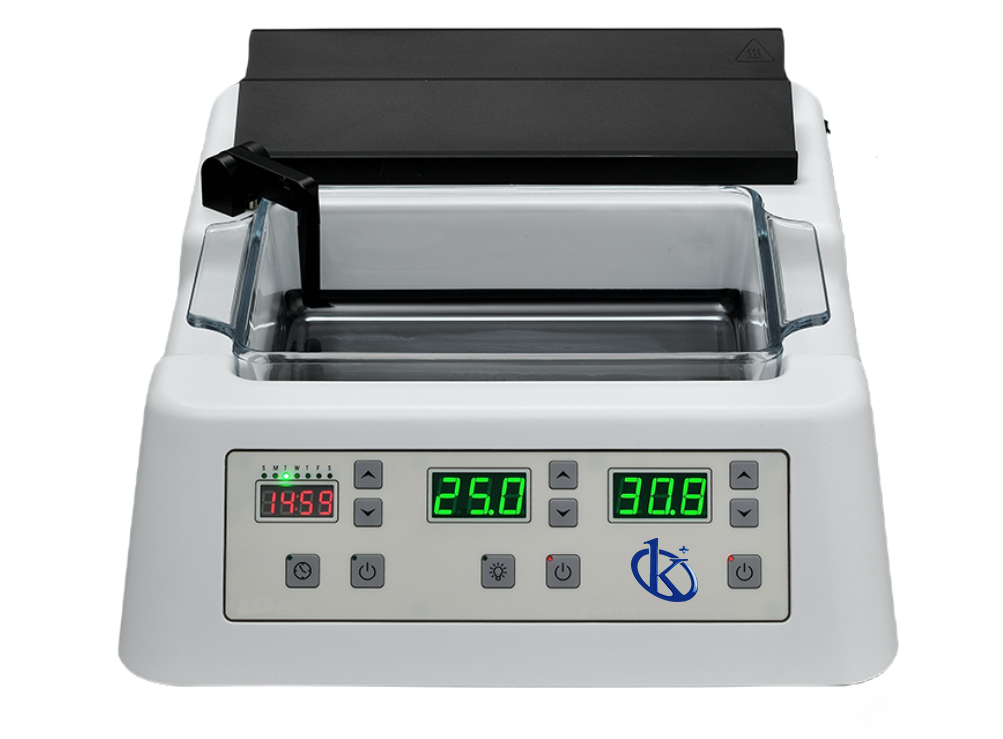
How to Enhance Energy Sustainability and Reduce Environmental Footprint in Tissue Flotation
In today's scientific landscape, the push for energy sustainability and a reduced environmental footprint is paramount, especially in laboratory settings. Tissue flotation is a critical process in pathological anatomy, and enhancing its efficiency through sustainable practices can make a significant impact. This article will explore various models available in the tissue flotation category while focusing on energy efficiency, reduction of reagent waste, and overall sustainability.
Understanding Energy Sustainability in Tissue Flotation
Energy sustainability refers to the ability to maintain energy in a way that meets current needs without compromising the future. In tissue flotation, several factors contribute to energy consumption, including the type of equipment used and operational practices. By adopting energy-efficient models, laboratories can significantly lower their energy demands.
Key performance indicators for measuring energy sustainability in tissue flotation include the energy consumption per run, the efficiency of heating mechanisms, and the lifespan of equipment. It is essential to choose models that utilize modern technology to minimize energy use while maximizing performance.
Environmental Footprint Reduction Strategies
Reducing the environmental footprint in tissue flotation involves minimizing waste, including chemical reagents and consumables. Implementing best practices such as recycling, proper disposal, and efficient use of resources can be transformative. Moreover, choosing equipment with low emissions and energy-efficient designs can further contribute to sustainability goals.
Laboratories should also consider the lifecycle of their equipment, focusing on models that are durable and require less frequent replacement. This contributes to a lower carbon footprint over time.
Comparison of Available Models
| Model | Temperature Range (Water Bath) | Temperature Precision | Power Consumption (W) | Best for | Price (USD) |
|---|---|---|---|---|---|
| YR456 | RT - 70℃ | ±2℃ | 400 | General laboratory use with moderate throughput | 800.00 |
| YR457 | RT - 70℃ | ±2℃ | 400 | High efficiency tasks with multiple samples | 900.00 |
| YR457-1 | RT - 70℃ | ±2℃ | 400 | Advanced applications requiring precise control | 1200.00 |
Common Mistakes and How to Avoid Them
Laboratories often overlook the importance of selecting the right equipment for tissue flotation processes. One common mistake is choosing models based solely on initial cost rather than total lifetime efficiency and sustainability. Additionally, neglecting proper training on energy-efficient practices can lead to increased operational costs.
To avoid these pitfalls, laboratories should conduct thorough research on available models, examining energy specifications and capabilities. Moreover, establishing a culture of sustainability within the lab can promote awareness and adherence to best practices.
Energy Consumption Metrics
Understanding the metrics associated with energy consumption is crucial for achieving sustainability goals. Below is a table outlining key metrics for each model's energy consumption in tissue flotation:
| Model | Energy Consumption per Run (kWh) | Annual Energy Cost (Assuming 300 Runs) |
|---|---|---|
| YR456 | 0.12 | 36.00 |
| YR457 | 0.12 | 36.00 |
| YR457-1 | 0.12 | 36.00 |
Frequently Asked Questions
What is the energy consumption of different tissue flotation models?
The energy consumption for models like YR456 and YR457 is approximately 0.12 kWh per run. This metric is essential for labs aiming to enhance energy sustainability while optimizing tissue flotation processes.
How can laboratories reduce their environmental footprint with tissue flotation equipment?
Laboratories can reduce their footprint by investing in energy-efficient models such as the YR457-1, which maintains precise temperature control while minimizing energy waste. Implementing best practices for reagent use can also help.
Which tissue flotation model is best for high-efficiency applications?
The YR457 model is ideal for high-efficiency applications due to its robust design and precise temperature control. This ensures optimal performance while supporting sustainability goals in energy usage.
What are the key sustainability features to look for in tissue flotation models?
Key sustainability features include energy consumption rates, precision in temperature control, and the ability to maintain performance with reduced reagent use. Models like the YR456 and YR457 excel in these areas.
How does the YR457-1 model contribute to energy sustainability?
The YR457-1 model contributes to energy sustainability through its efficient heating mechanism and low power consumption of 400W, ensuring that labs can optimize their energy use while maintaining high performance.
What operational practices can enhance sustainability in tissue flotation labs?
Adopting practices such as regular maintenance, efficient reagent use, and investing in models like the YR457 can significantly enhance sustainability in tissue flotation laboratories, leading to reduced energy and resource consumption.
Which model provides the best return on investment for energy efficiency?
The YR457 model offers an excellent return on investment for energy efficiency, combining competitive pricing with low energy consumption and high throughput capabilities, making it a smart choice for modern labs.
How can tissue flotation models minimize reagent waste?
Models like the YR456 and YR457 are designed to operate efficiently, reducing the need for excessive reagent use. Implementing these models helps labs achieve significant savings while promoting sustainable practices.
If you are looking for a fusion of innovation and quality, you have come to the right place. At Kalstein, we offer you the luxury of exploring our exclusive catalog of laboratory equipment. We manufacture every device to the highest standards of excellence. Our intuitive and seamless online purchasing channels are designed for your convenience, securing the most competitive prices. Hesitate no longer — we bring science to life, it is time to become part of our community.