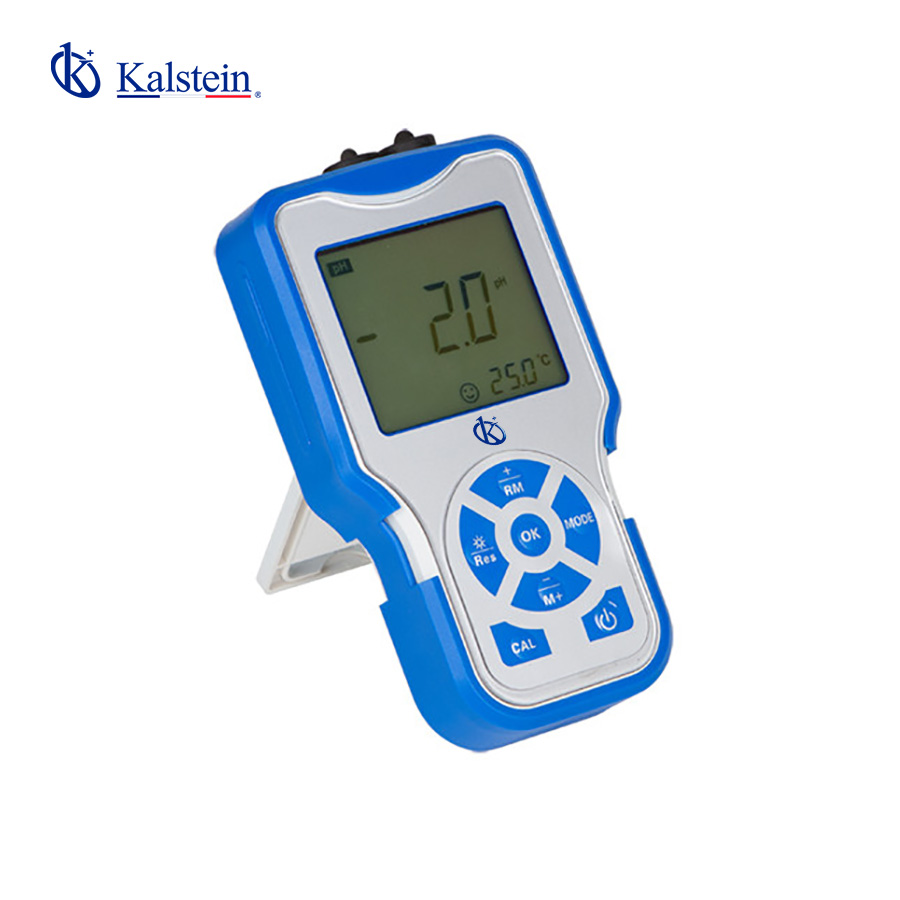
How to Improve Energy Sustainability and Reduce Environmental Footprint with Portable Ion Meters
As laboratories strive for greater efficiency and reduced environmental impact, the choice of equipment plays a crucial role. Portable ion meters are essential tools in achieving energy sustainability and minimizing the ecological footprint of laboratory operations. This article delves into the significance of portable ion meters within this context, exploring key models, their specifications, and how they contribute to sustainability goals.
Understanding Energy Sustainability in Laboratories
Energy sustainability in laboratories refers to practices aimed at reducing energy consumption while maintaining efficient operations. As laboratories are often high consumers of energy due to equipment usage, optimizing energy use becomes imperative. Adopting energy-efficient devices, like portable ion meters, helps in minimizing energy waste, thereby supporting environmental conservation efforts.
Portable ion meters provide the flexibility of on-site measurements, which streamline workflows and reduce the need for extensive laboratory setups that require constant energy input. By implementing these devices, laboratories can lower their overall energy consumption and enhance their sustainability metrics.
Reducing Environmental Footprint with Portable Ion Meters
Environmental footprint encompasses the total ecological impact of laboratory activities, including energy usage, waste generation, and resource consumption. Portable ion meters facilitate significant reductions in this footprint by allowing for efficient ion concentration measurements without the need for bulky equipment.
These meters can operate with minimal power requirements, and many are designed to reduce reagent waste through precise measurements, which contribute to a more sustainable laboratory environment. Moreover, their compact size means they can be used in various field applications, reducing the need for transportation of samples back to the lab, further decreasing carbon emissions.
Key Features of Portable Ion Meters
When considering portable ion meters, several key features enhance their value in promoting sustainability:
- Multi-parameter Measurement: The capability to measure pH, ion concentrations, and ORP in a single device minimizes the need for multiple instruments.
- Adjustable Calibration Points: Models that allow for 2 to 5-point calibration improve accuracy and reliability, leading to better resource utilization.
- Automatic Temperature Compensation: This feature ensures accurate readings under varying environmental conditions, reducing the need for repeat measurements.
- Low Power Consumption: Energy-efficient designs help laboratories cut down on overall energy costs and environmental impact.
Comparison of Available Models
| Model | Specifications | Best for |
|---|---|---|
| YR01816 | Multi-parameter ion meter, 2-5 point calibration, precision: ±0.5% | General laboratory use, field applications |
| YR01817-1 | Professional ammonium ion meter, outdoor application, ±0.5% accuracy | Environmental testing, wastewater analysis |
| YR01817-10 | Portable ammonium ion meter, 2-5 point calibration, ±0.5% precision | Aquatic environment testing, agricultural use |
| YR01817-11 | Advanced ammonium ion meter, multiple concentration units | Laboratory analysis of ammonium content |
| YR01817-12 | Portable ammonium ion meter, automatic diagnostic features | Research laboratories, field studies |
| YR01817-13 | High precision ammonium ion meter, low to high concentration calibration | Industrial applications, quality control |
Common Mistakes and How to Avoid Them
When utilizing portable ion meters, laboratories often encounter several pitfalls that can hinder their sustainability efforts:
- Neglecting Calibration: Regular calibration is crucial. Ensure that your meters are calibrated frequently to maintain accuracy and reliability.
- Overlooking Battery Management: Using devices without considering battery life can lead to unexpected downtime. Always monitor power levels and have replacements ready.
- Improper Storage: Storing ion meters improperly can damage the sensors. Follow manufacturer guidelines for storage conditions.
- Ignoring Maintenance: Regular maintenance is vital. Keep electrodes clean and replace them as necessary to ensure optimal functionality.
Frequently Asked Questions
How do portable ion meters help reduce energy consumption in laboratories?
Portable ion meters, such as the YR01816, are designed for low power usage, which minimizes energy consumption. Their compact design allows for on-site measurements, reducing the need for extensive lab equipment that consumes more energy.
What are the benefits of using multi-parameter portable ion meters?
Multi-parameter portable ion meters like the YR01816 enable laboratories to measure various ion concentrations in one device, thus reducing equipment needs, conserving energy, and decreasing the environmental footprint associated with laboratory operations.
Which portable ion meter model is best for outdoor applications?
The YR01817-1 model is an excellent choice for outdoor applications due to its professional-grade features and accurate measurements. It operates effectively in various environmental conditions, ensuring reliable data collection.
What precision can I expect from portable ion meters for ammonium measurement?
Models such as the YR01817-1 and YR01817-10 offer precision up to ±0.5% F.S. for ammonium measurements, making them suitable for both laboratory and field testing scenarios.
How can I ensure the accuracy of my portable ion meter?
Regular calibration, especially in devices like the YR01816, helps maintain accuracy. Ensure calibration is performed according to the manufacturer's specifications, typically involving 2-5 calibration points.
What features should I look for in a sustainable portable ion meter?
Look for features such as low power consumption, multi-parameter measurements, and automatic temperature compensation. Models like the YR01816 embody these features, promoting both sustainability and efficient operations.
Conclusion
Incorporating portable ion meters into laboratory settings not only enhances measurement accuracy but also significantly aids in energy sustainability and reducing environmental impact. By selecting the right model, such as the YR01816 or YR01817-1, laboratories can optimize their operations while contributing to broader sustainability goals.
If you are looking for a fusion of innovation and quality, you have come to the right place. At Kalstein, we offer you the luxury of exploring our exclusive catalog of laboratory equipment. We manufacture every device to the highest standards of excellence. Our intuitive and seamless online purchasing channels are designed for your convenience, securing the most competitive prices. Hesitate no longer — we bring science to life, it is time to become part of our community.