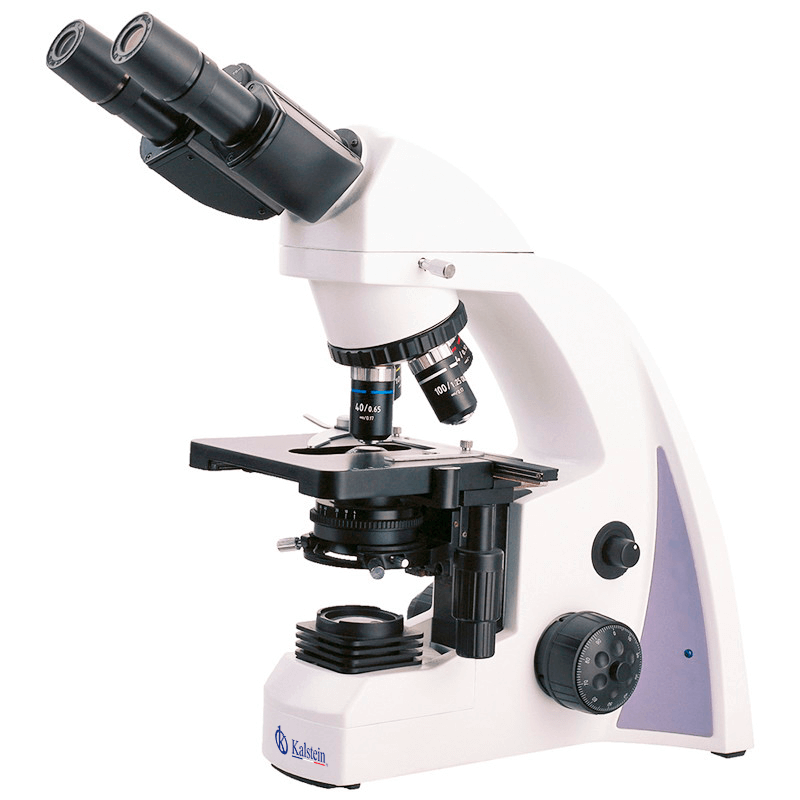
How to Achieve Energy Sustainability and Reduce Environmental Footprint in Laboratory Microscopes
As laboratory environments are increasingly scrutinized for their environmental impact, the need for energy sustainability and efficient practices in laboratory microscopes becomes paramount. This article delves into the energy consumption patterns of various microscope models and provides insights on how to optimize their usage to minimize the environmental footprint. We will explore specific models, their energy efficiencies, and practical steps that laboratories can implement to achieve sustainability goals.
Understanding Energy Sustainability in Laboratory Settings
Energy sustainability in laboratories involves adopting practices and utilizing equipment that minimizes energy consumption while maintaining performance. For laboratory microscopes, this can be addressed through energy-efficient technologies, innovative design, and responsible usage. Conducting lifecycle assessments of laboratory equipment can also reveal opportunities for reducing energy usage over time.
Energy-efficient laboratory microscopes can significantly reduce electricity consumption, leading to lower operational costs and a decreased carbon footprint. This focus on sustainability is not just beneficial for the environment; it also aligns with regulatory compliance and funding opportunities for laboratories aiming to enhance their green credentials.
Comparison of Available Models
| Model | Energy Consumption (kWh/run) | Reagent Consumption | Best Use Case |
|---|---|---|---|
| YR0237-0-1 | 0.1 | Low | Routine analysis |
| YR0237-1 | 0.08 | Moderate | Advanced microscopy |
| YR0237-1-1 | 0.09 | Low | Educational settings |
| YR03731-1 | 0.05 | Minimal | Precision pipetting |
| YR03731-2 | 0.05 | Minimal | Precision pipetting |
| YR03731-3 | 0.05 | Minimal | Precision pipetting |
Energy Consumption Metrics in Laboratory Microscopes
When evaluating microscopes for energy sustainability, one crucial metric is energy consumption. For instance, the Laboratory Microscope YR0237-1 operates at just 0.08 kWh per run, making it an energy-efficient choice for advanced microscopy tasks. By comparing such metrics across various models, laboratories can make informed decisions that align with their sustainability objectives.
Furthermore, understanding the relationship between energy consumption and reagent use is vital. Models that minimize both energy and reagent consumption can significantly contribute to a laboratory's overall sustainability efforts.
Lifecycle Assessment and Environmental Impact
A comprehensive lifecycle assessment (LCA) helps laboratories understand the environmental impact of their equipment from manufacturing through to disposal. For laboratory microscopes, factors such as materials used, energy required during operation, and end-of-life disposal methods must be considered.
For example, the Laboratory Microscope YR0237-0-1, designed with durable materials, not only reduces environmental impact during its operational phase but also ensures a longer lifespan, thus minimizing waste. Laboratories should prioritize models with a clear sustainability narrative backed by data to achieve their green goals.
Common Mistakes and How to Avoid Them
One common mistake in laboratories is underestimating the impact of equipment energy usage on overall operational costs. Laboratories often focus on initial purchase costs while neglecting long-term operational expenses.
Additionally, failing to implement energy-saving practices such as switching off equipment when not in use can further inflate energy costs. Educating laboratory staff on energy-efficient practices and encouraging the use of energy-efficient models like the YR0237-1 can mitigate these issues.
Strategies for Reducing Environmental Footprint
To effectively reduce the environmental footprint of laboratory operations, several strategies can be employed:
- Adopt Energy-Efficient Models: Choose models like the YR03731-1 that feature lower energy consumption rates.
- Regular Maintenance: Keep all equipment well-maintained to ensure optimal energy efficiency.
- Staff Training: Train staff on best practices for using laboratory equipment to conserve energy.
- Implementing Energy Audits: Regularly assess energy consumption patterns and identify areas for improvement.
Frequently Asked Questions
How can a laboratory microscope be energy efficient and reduce costs?
Investing in energy-efficient models like the YR0237-1 can significantly lower energy consumption, which reduces operational costs. These microscopes are designed to optimize energy use, providing laboratories with sustainable options that save money while minimizing environmental impact.
What are the energy consumption metrics for different laboratory microscopes?
For example, the YR0237-0-1 consumes 0.1 kWh per run, while the YR0237-1 consumes only 0.08 kWh. By comparing these metrics, laboratories can select models that align with their energy sustainability goals.
Which laboratory microscope model minimizes environmental impact?
The YR03731-1 model is noted for its low energy consumption of just 0.05 kWh per run, making it an excellent choice for laboratories focused on reducing their environmental impact while maintaining performance.
How can lifecycle assessments improve laboratory sustainability?
Conducting lifecycle assessments like those for the YR0237 models allows laboratories to evaluate the total environmental impact of their equipment, from manufacturing to disposal, thus identifying opportunities for sustainability improvements.
What common mistakes do laboratories make regarding energy sustainability?
Common mistakes include neglecting to consider long-term energy costs and failing to turn off equipment when not in use. Laboratories can avoid these errors by choosing energy-efficient models and implementing best practices.
What strategies can laboratories implement to improve energy efficiency?
Lab managers should consider staff training on energy-saving practices, regular maintenance schedules for microscopes, and conducting energy audits to identify inefficiencies, especially focusing on models like YR0237-1.
How do energy-efficient laboratory microscopes benefit the environment?
Energy-efficient laboratory microscopes, such as the YR0237-0-1, reduce energy consumption significantly, which in turn lowers carbon emissions and minimizes overall environmental impact, contributing to greener laboratory practices.
What are some best practices for laboratory staff to reduce energy consumption?
Laboratory staff can implement practices such as powering down equipment when not in use, using energy-efficient models like the YR03731-1, and participating in sustainability training to enhance awareness and accountability.
If you are looking for a fusion of innovation and quality, you have come to the right place. At Kalstein, we offer you the luxury of exploring our exclusive catalog of laboratory equipment. We manufacture every device to the highest standards of excellence. Our intuitive and seamless online purchasing channels are designed for your convenience, securing the most competitive prices. Hesitate no longer — we bring science to life, it is time to become part of our community.