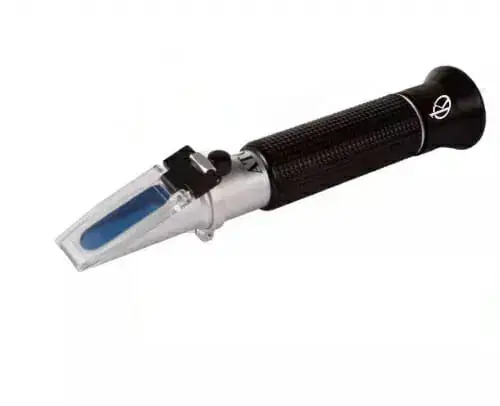
How to Enhance Energy Sustainability with Honey Refractometers
As laboratories increasingly focus on reducing their environmental footprint, honey refractometers play a critical role in energy sustainability. These instruments are essential for monitoring sugar concentrations in honey and other sweet substances, providing valuable insights that contribute to efficient production processes. This article delves into the sustainable practices associated with honey refractometers, comparing multiple models and their specifications, while highlighting strategies for energy reduction and environmental stewardship.
Understanding the Role of Honey Refractometers in Sustainability
Honey refractometers are designed to measure the sugar concentration in honey and other viscous liquids. By providing accurate measurements, these devices help ensure the quality of products while minimizing waste. The accurate determination of sugar levels can lead to optimized production processes, reducing energy consumption and raw material waste. Implementing such tools not only enhances product quality but also aligns laboratory practices with sustainability goals.
Comparison of Available Models
| Model | Measurement Range | Min. Division | Accuracy | Material | Best Use Case |
|---|---|---|---|---|---|
| YR05885 | 58-92% Brix | 0.50% Brix | ±0.5% Brix | Pure Aluminum | Honey quality control |
| YR05885-1 | 58-92% Brix | 0.50% Brix | ±0.5% Brix | Pure Aluminum | Monitoring sugar levels in products |
| YR05885-2 | 58-92% Brix | 0.50% Brix | ±0.5% Brix | Pure Aluminum | Field testing for sugar concentration |
| YR05886 | 10-30% water | 0.10% water | ±0.10% water | Pure Aluminum | Honey dilution analysis |
Key Benefits of Using Honey Refractometers
Utilizing honey refractometers contributes significantly to energy sustainability in laboratories. These devices reduce the need for excessive testing and re-processing, which often leads to increased energy consumption. By providing precise measurements, they help streamline processes, minimizing the overall environmental impact. Additionally, the materials used in manufacturing these refractometers, such as pure aluminum, are often more sustainable and recyclable, aligning with eco-friendly practices.
Common Mistakes and How to Avoid Them
One frequent mistake in using honey refractometers is not calibrating them correctly before use. Calibration ensures the accuracy of measurements, which is crucial for maintaining quality and achieving sustainability targets. Another mistake is neglecting to clean the refractometer properly between uses, which can lead to cross-contamination and inaccurate readings. Regular maintenance and adherence to usage guidelines can significantly enhance the efficiency and longevity of the instruments.
Energy Consumption and Environmental Impact of Honey Refractometers
The selection of honey refractometers can influence energy consumption in laboratories. Efficient models, like YR05886, which support rapid and accurate measurements, can significantly reduce the time and energy required for testing. Moreover, the integrated features of these refractometers, such as automatic temperature compensation (ATC), further optimize energy usage, ensuring reliable results without the need for extensive manual adjustments.
Future Trends in Sustainability and Laboratory Equipment
As industries push toward greater sustainability, honey refractometers will evolve to incorporate advanced technologies that enhance their efficiency. Expect to see innovations in digital interfaces, data logging capabilities, and connectivity features that promote better energy management practices. Additionally, manufacturers may explore using more sustainable materials and production methods, aligning with global sustainability targets.
Frequently Asked Questions
How can honey refractometers reduce energy consumption in laboratories?
Honey refractometers, like the YR05886, streamline measurement processes by providing accurate data quickly, thereby reducing energy and time spent on multiple tests. This efficiency contributes to lower overall energy consumption in laboratory settings.
Which model of honey refractometer is best for sustainable practices?
The YR05885-1 model is best for sustainable practices as it offers precise measurements with minimal waste, ensuring that the quality of honey and other sugary liquids is maintained while reducing unnecessary energy use.
What features should I consider for energy sustainability in honey refractometers?
Look for features like automatic temperature compensation and high accuracy, as seen in the YR05885, which ensure reliable readings without extensive energy input, optimizing the laboratory's overall environmental impact.
How often should I calibrate my honey refractometer for optimal performance?
Calibration should be performed before each use of the honey refractometer to ensure accurate measurements. Regular calibration helps maintain the quality of results and supports sustainability goals by minimizing errors in testing.
What is the environmental impact of using honey refractometers?
The use of honey refractometers minimizes waste and energy consumption during testing processes. For example, the YR05886 model enhances efficiency through rapid measurements, contributing to a reduced environmental footprint.
How do honey refractometers fit into a sustainable laboratory strategy?
Honey refractometers are integral to sustainable laboratory strategies as they enhance accuracy and efficiency in testing. By using models like the YR05885-2, laboratories can lower energy consumption and improve quality control, aligning with sustainability objectives.
Which model offers the best accuracy for honey testing?
The YR05885 model provides exceptional accuracy (±0.5% Brix), making it ideal for honey testing. This high level of precision contributes to better quality control and sustainability efforts in laboratory settings.
What are the long-term benefits of investing in honey refractometers?
Investing in honey refractometers, especially models like the YR05885-1, leads to lower energy costs, reduced waste, and enhanced product quality. Over time, these benefits contribute to a more sustainable laboratory operation.
If you are looking for a fusion of innovation and quality, you have come to the right place. At Kalstein, we offer you the luxury of exploring our exclusive catalog of laboratory equipment. We manufacture every device to the highest standards of excellence. Our intuitive and seamless online purchasing channels are designed for your convenience, securing the most competitive prices. Hesitate no longer — we bring science to life, it is time to become part of our community.