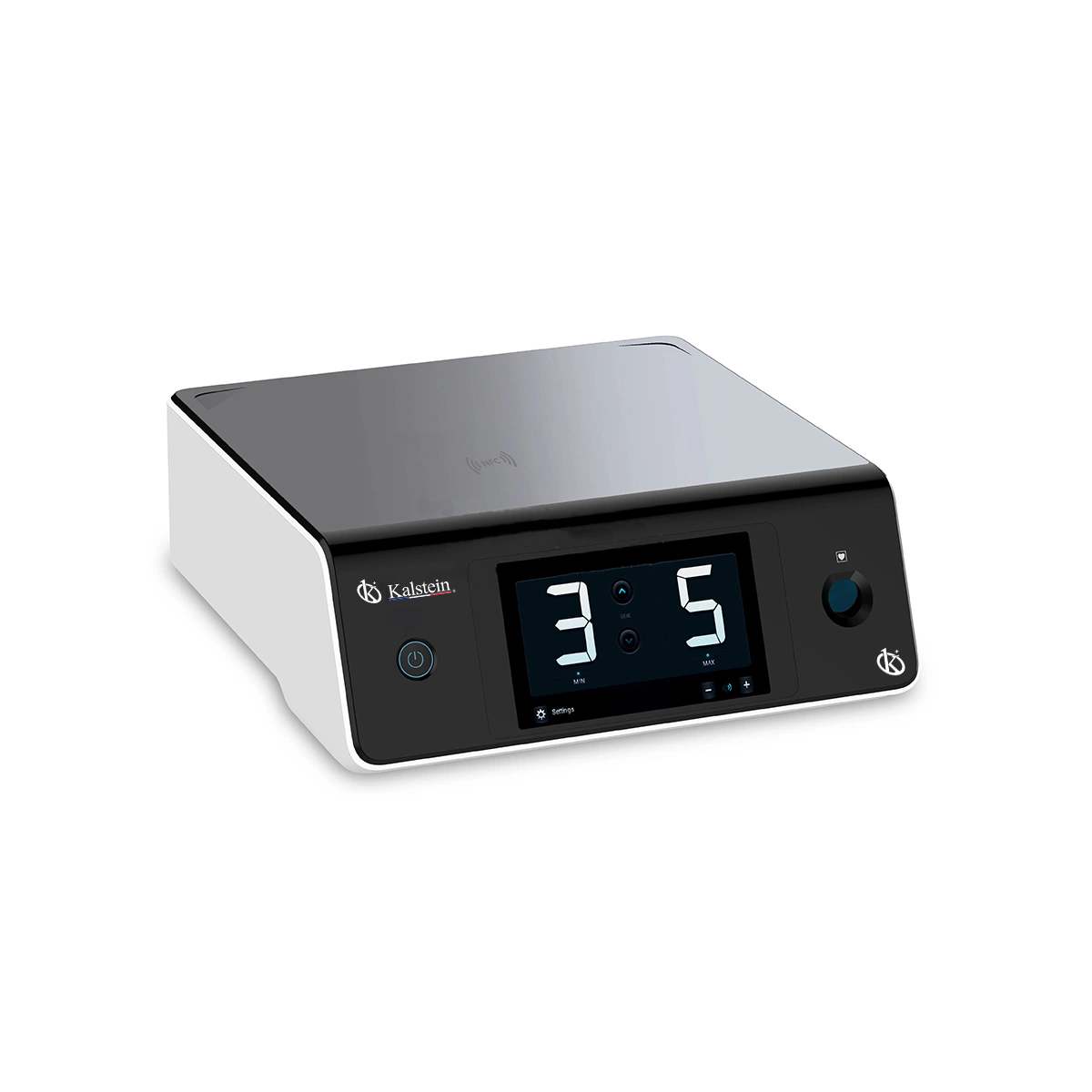
Energy Sustainability and Environmental Impact Reduction in Veterinary Electrosurgical Units
As the veterinary field continues to evolve, the demand for environmentally sustainable practices becomes increasingly paramount. Veterinary electrosurgical units play a crucial role in surgical procedures, yet their operation can contribute to energy consumption and environmental footprints. This article explores how various models of veterinary electrosurgical units can enhance energy sustainability and reduce environmental impacts, focusing on their efficiency, technological advancements, and overall contributions to sustainable veterinary practices.
Understanding Energy Sustainability in Veterinary Electrosurgical Units
Energy sustainability refers to the ability to meet current energy needs without compromising the ability of future generations to meet theirs. In the context of veterinary electrosurgical units, this means using technology that minimizes energy consumption, enhances performance, and reduces environmental impact. Not only do veterinary practices have a moral obligation to pursue these goals, but they also stand to benefit financially from improved operational efficiencies and reduced utility costs.
Key Challenges in Environmental Impact Reduction
Veterinary practices face several challenges in their quest for sustainability. The high energy demands of traditional electrosurgical units often lead to increased operational costs and a larger carbon footprint. Additionally, many units utilize disposable components, contributing to medical waste. Addressing these challenges involves selecting electrosurgical units designed with sustainability in mind, incorporating energy-efficient technologies, and promoting the use of reusable instruments.
Comparative Overview of Veterinary Electrosurgical Units
Several models of veterinary electrosurgical units are available, each offering unique features that align with sustainability goals. Below is a comparison table highlighting the key specifications and environmental considerations of each model:
| Model | Power Consumption (W) | Energy Efficiency Features | Estimated Lifecycle | Best Used For |
|---|---|---|---|---|
| YR06129 | 690 VA | Adaptive tissue control technology | 5 years | General surgeries with high sealing requirements |
| YR06130 | 150 VA | Touch panel control for efficient operation | 5 years | Gastrointestinal and urological procedures |
| YR06131 | 300 W | Automatic identification for reduced energy use | 5 years | Laparoscopic and open surgical procedures |
| YR06132 | 300 W | Multiple output modes for versatility | 5 years | Various surgical applications |
| YR06133 | 15 W | Portable design for field use | 10 years | On-site veterinary surgeries |
| YR06134 | 15 W | Compact and lightweight for easy transport | 10 years | On-site veterinary surgeries |
Energy Consumption Metrics
To effectively assess the environmental impact of electrosurgical units, it's essential to consider their energy consumption metrics. Different models utilize varied levels of power, and understanding this can lead to better decision-making when selecting equipment. The energy consumed per procedure should be evaluated alongside the specific energy-saving technologies integrated within each unit.
Energy Consumption Table
| Model | Energy per Procedure (kWh) | Estimated Annual Cost (USD) |
|---|---|---|
| YR06129 | 0.69 | $20.70 |
| YR06130 | 0.15 | $4.50 |
| YR06131 | 0.30 | $9.00 |
| YR06132 | 0.30 | $9.00 |
| YR06133 | 0.015 | $0.45 |
| YR06134 | 0.015 | $0.45 |
Common Mistakes and How to Avoid Them
When selecting a veterinary electrosurgical unit, it is crucial to consider several factors related to energy efficiency and environmental impact. Common mistakes include choosing units without adequate energy-saving features, underestimating the importance of waste management, and failing to consider the lifecycle costs of equipment. To avoid these pitfalls, veterinary professionals should prioritize models that offer clear information on energy consumption and sustainability practices.
Frequently Asked Questions
How do veterinary electrosurgical units improve energy sustainability?
Veterinary electrosurgical units such as YR06130 provide features like touch panel control to minimize energy consumption. This model operates at a maximum of 150 VA, reducing costs while ensuring effective performance across various surgical applications.
Which veterinary electrosurgical unit is best for minimizing environmental impact?
The YR06133 portable diode laser system is an excellent option for minimizing environmental impact, as it offers dual wavelength options and operates at just 15 W, significantly reducing energy consumption during procedures in veterinary practices.
What role does energy efficiency play in veterinary electrosurgical units?
Energy efficiency is critical in veterinary electrosurgical units because it directly influences operational costs and environmental sustainability. For instance, the YR06129 model utilizes adaptive tissue control technology, optimizing energy use during surgical procedures.
How can I evaluate the energy consumption of electrosurgical units?
To evaluate energy consumption, consider the energy per procedure, as indicated in the consumption table. For example, the YR06130 model consumes only 0.15 kWh per procedure, suggesting high efficiency in energy utilization.
What are the best practices for reducing waste in veterinary surgeries?
Best practices include selecting veterinary electrosurgical units like the YR06131, which offer reusable instruments and efficient operation modes, thereby minimizing single-use waste and promoting sustainability in the surgical setting.
How does the technology in electrosurgical units affect sustainability?
Modern electrosurgical units, like the YR06132, incorporate multiple output modes that reduce energy use while maximizing surgical efficiency, thus supporting sustainable practices in veterinary medicine.
What is the lifecycle cost of a veterinary electrosurgical unit?
The lifecycle cost includes initial purchase price, energy usage, and maintenance. For instance, the YR06130 model has a purchase price of $2700, and with an estimated annual energy cost of $4.50, it offers a compelling long-term investment.
How can I achieve a balance between performance and sustainability in electrosurgical units?
Balancing performance and sustainability can be achieved by selecting models like the YR06134, which features advanced technology while maintaining a low energy profile, ensuring effective surgical outcomes without compromising energy efficiency.
If you are looking for a fusion of innovation and quality, you have come to the right place. At Kalstein, we offer you the luxury of exploring our exclusive catalog of laboratory equipment. We manufacture every device to the highest standards of excellence. Our intuitive and seamless online purchasing channels are designed for your convenience, securing the most competitive prices. Hesitate no longer — we bring science to life, it is time to become part of our community.