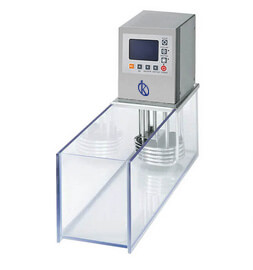
Energy Sustainability and Environmental Impact Reduction in Transparent Water Baths
As laboratories strive to minimize their ecological footprint, energy sustainability has emerged as a pivotal focus. Transparent water baths are widely utilized in various laboratory applications, from tissue culture to enzymatic reaction studies, making them critical in enhancing energy efficiency and reducing environmental impacts. This article will delve into the different models of transparent water baths available on the market, focusing on their energy consumption, efficiency, and overall contribution to sustainable laboratory practices.
Understanding Energy Sustainability in Laboratories
Energy sustainability in laboratory environments involves using equipment that minimizes energy consumption while maintaining high performance. The incorporation of energy-efficient devices contributes to lower operational costs and a reduced carbon footprint. Transparent water baths, such as the YR05080, YR05081, and YR05082 models, are designed to improve temperature uniformity and precision, thereby optimizing energy use during laboratory processes.
Energy Consumption in Transparent Water Baths
When evaluating transparent water baths, energy consumption becomes a crucial metric. The YR series of transparent water baths operates within a temperature range from room temperature to 80°C, making them versatile for various applications. Below is a table detailing the energy specifications for each model:
| Model | Power (kW) | Max Flow (L/min) | Max Elevation (m) |
|---|---|---|---|
| YR05080 | 1.0 | 14 | 12 |
| YR05081 | 1.5 | 14 | 12 |
| YR05082 | 1.5 | 14 | 12 |
These specifications indicate that the YR05080 model is particularly advantageous for energy-conscious laboratories, as it operates at a lower power rating while still delivering ample performance for many applications.
Comparison of Available Models
The following table provides a detailed comparison of the key features of the transparent water bath models available for laboratories seeking to enhance their energy sustainability:
| Model | Capacity (L) | Temperature Range (°C) | Precision (°C) | Best For |
|---|---|---|---|---|
| YR05080 | 10 | RT to 80 | ±0.5 | Tissue Culture |
| YR05081 | 16 | RT to 80 | ±0.5 | Enzymatic Studies |
| YR05082 | 23 | RT to 80 | ±0.5 | Growth Observation |
Assessing Environmental Impacts
Laboratories are increasingly being held accountable for their environmental impacts. Utilizing transparent water baths that operate efficiently can significantly reduce energy consumption and water usage, contributing to a smaller ecological footprint. Implementing life cycle assessments for these devices can further enhance understanding of their environmental impacts, from manufacturing to disposal.
Common Mistakes and How to Avoid Them
One common mistake laboratories make is selecting water baths without considering their energy efficiency. It is essential to evaluate the specification sheets of models such as the YR05080, YR05081, and YR05082 to ensure they meet the energy sustainability goals of the laboratory. Another mistake is neglecting regular maintenance, which can lead to inefficient operation and increased energy consumption.
Frequently Asked Questions
How can transparent water baths improve energy sustainability in laboratories?
Transparent water baths like the YR05080 are designed for efficient operation with lower power consumption, helping laboratories reduce their overall energy use and environmental impact.
What are the key energy consumption metrics for transparent water baths?
For example, the YR05081 operates at 1.5 kW, which is crucial for assessing energy efficiency in laboratory applications where energy costs are a concern.
Which model of transparent water bath is best for tissue culture?
The YR05080, with a capacity of 10 liters and excellent temperature precision, is ideal for tissue culture, ensuring optimal conditions while maintaining energy efficiency.
What is the environmental impact of using water baths in laboratories?
By choosing energy-efficient models like the YR05082, laboratories can significantly reduce energy consumption, contributing to lower greenhouse gas emissions and a smaller carbon footprint.
How do transparent water baths reduce reagent waste?
Using models such as the YR05081 with precise temperature control minimizes the risk of reagent degradation, thus optimizing usage and reducing waste.
What is the best way to maintain transparent water baths for energy efficiency?
Regular calibration and maintenance of models like the YR05080 ensure they operate at peak efficiency, helping to avoid unnecessary energy consumption and prolong the equipment's lifespan.
How much do transparent water baths typically cost in relation to energy savings?
The YR05081 is priced at approximately $403, and its energy-efficient operation can lead to significant savings in energy bills over time, making it a cost-effective investment.
Which transparent water bath model has the largest capacity for growth observations?
The YR05082, with a capacity of 23 liters, is optimal for growth observations, accommodating larger sample sizes while maintaining energy efficiency.
If you are looking for a fusion of innovation and quality, you have come to the right place. At Kalstein, we offer you the luxury of exploring our exclusive catalog of laboratory equipment. We manufacture every device to the highest standards of excellence. Our intuitive and seamless online purchasing channels are designed for your convenience, securing the most competitive prices. Hesitate no longer — we bring science to life, it is time to become part of our community.