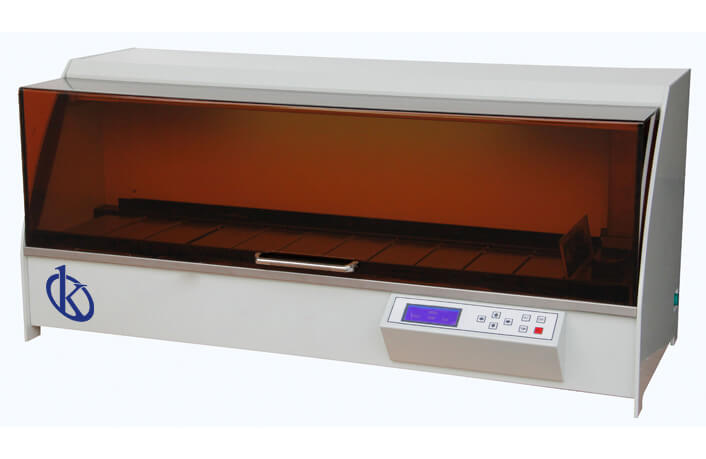
Energy Sustainability and Environmental Footprint Reduction in Tissue Processors: A 2026 Overview
As laboratories continue to evolve, the need for energy sustainability and reduced environmental footprints has become paramount, particularly in the subcategory of tissue processors. These devices play a critical role in pathological anatomy by ensuring high-quality tissue sample processing. With the increasing focus on sustainable practices, it is essential to assess how current models align with these goals. This article provides a comprehensive analysis of various tissue processor models through the lens of energy efficiency and environmental impact.
Understanding Energy Sustainability in Tissue Processors
The concept of energy sustainability refers to the ability to meet current energy needs without compromising the ability of future generations to meet theirs. In the context of tissue processors, energy efficiency is critical. Various technologies have emerged, focusing on minimizing energy consumption, extending equipment lifespan, and optimizing performance. The intention is to reduce not only operational costs but also the ecological footprint associated with laboratory activities.
Importance of Reducing Environmental Footprint
Reducing the environmental footprint in laboratory settings is vital for several reasons, including compliance with regulations, cost savings, and ethical responsibilities. Tissue processors are significant contributors to laboratories' overall energy consumption. Thus, optimizing their operation can have a substantial impact. Reducing waste, improving energy efficiency, and utilizing environmentally friendly practices can lead to sustainable laboratory operations.
Comparison of Energy Consumption Among Models
In the following section, we present a comparative analysis of several tissue processor models, focusing on their energy usage and sustainability features:
| Model | Energy Consumption (kWh/run) | Water/Reagent Usage | Best for |
|---|---|---|---|
| YR431-1 | 2.5 | Low | Medium to large labs |
| YR436-2 | 1.2 | Very Low | Small labs |
| YR427 | 1.8 | Moderate | Small to medium labs |
| YR428 | 2.0 | Low | Small labs |
| YR429 | 2.2 | Low | Medium labs |
Optimizing Operational Efficiency through Technology
Modern tissue processors incorporate advanced technologies that enhance operational efficiency. Features such as automated controls, programmable settings, and energy-saving modes are essential in reducing energy consumption. The YR431-1, for instance, offers a range of adjustable settings that can be programmed based on the specific requirements of each sample processing task, thus enhancing energy efficiency while maintaining high-quality results.
Lifecycle Assessment and Environmental Impacts
Conducting a lifecycle assessment (LCA) of tissue processors provides insights into their environmental impacts from production to disposal. Factors such as energy use, emissions, and material sourcing play significant roles. For example, models like the YR436-2 are designed with sustainable materials that minimize their ecological footprint throughout their lifecycle.
Regulatory Compliance and Sustainability Standards
Laboratories must adhere to various regulatory compliance standards related to sustainability. Understanding ISO guidelines, such as ISO 14001 (Environmental Management) and ISO 50001 (Energy Management), is crucial for optimizing tissue processor operations. Many current models, including the YR428, are designed to assist labs in maintaining compliance with these standards through their energy-efficient operations.
Common Mistakes and How to Avoid Them
When aiming to improve energy sustainability in laboratory settings, common mistakes include failing to assess energy consumption directly related to equipment and overlooking maintenance needs. Regular maintenance of tissue processors, such as the YR429, ensures optimal performance and energy efficiency. Labs should implement a proactive maintenance schedule and continuously monitor energy usage to identify areas for improvement.
Comparison of Available Models
The table below compares the features and specifications of various tissue processor models, focusing on energy sustainability and environmental impact:
| Model | Energy Consumption (kWh/run) | Price (USD) | Best for |
|---|---|---|---|
| YR431-1 | 2.5 | 11000.00 | Medium to large labs |
| YR436-2 | 1.2 | 4400.00 | Small labs |
| YR427 | 1.8 | 2600.00 | Small to medium labs |
| YR428 | 2.0 | 2900.00 | Small labs |
| YR429 | 2.2 | 3300.00 | Medium labs |
Frequently Asked Questions
How can I minimize energy consumption in my tissue processor in 2026?
Minimizing energy consumption in tissue processors involves selecting energy-efficient models like the YR436-2, which has a low energy consumption of 1.2 kWh/run. Implementing a regular maintenance schedule and optimizing processing settings can also contribute significantly to reducing energy use.
What environmental standards should tissue processors meet in laboratories?
Tissue processors should meet various environmental standards, including ISO 14001 for environmental management. Models such as the YR428 are designed to support compliance with these standards while minimizing their ecological footprint through efficient operations.
Which tissue processor is best for small lab budgets in 2026?
For small lab budgets, the YR427 is an excellent option, priced at $2600 and designed for efficient processing with a moderate energy consumption of 1.8 kWh/run. It provides a good balance of functionality and cost-effectiveness.
How does the YR431-1 compare to other models in terms of energy efficiency?
The YR431-1 consumes 2.5 kWh/run, making it slightly less energy-efficient than smaller models like the YR436-2. However, it offers higher capacity and features that can enhance operational efficiency for medium to large labs.
What features improve sustainability in the YR428 tissue processor?
The YR428 features an adjustable temperature range and an energy-saving mechanism that activates when not in use, which significantly reduces energy consumption in laboratory environments, aligning with sustainability goals.
How to enhance tissue sample quality while maintaining energy efficiency?
Utilizing programmable features in tissue processors like the YR429 allows labs to optimize processing times and conditions, enhancing sample quality while ensuring energy efficiency through tailored processing protocols.
What is the expected lifecycle of a typical tissue processor?
The typical lifecycle of a tissue processor varies based on model and usage, with many models like the YR431 designed for longevity. Regular maintenance can extend their operational life significantly, making them sustainable investments for labs.
Closing Thoughts and Call to Action
If you are looking for a fusion of innovation and quality, you have come to the right place. At Kalstein, we offer you the luxury of exploring our exclusive catalog of laboratory equipment. We manufacture every device to the highest standards of excellence. Our intuitive and seamless online purchasing channels are designed for your convenience, securing the most competitive prices. Hesitate no longer — we bring science to life, it is time to become part of our community.