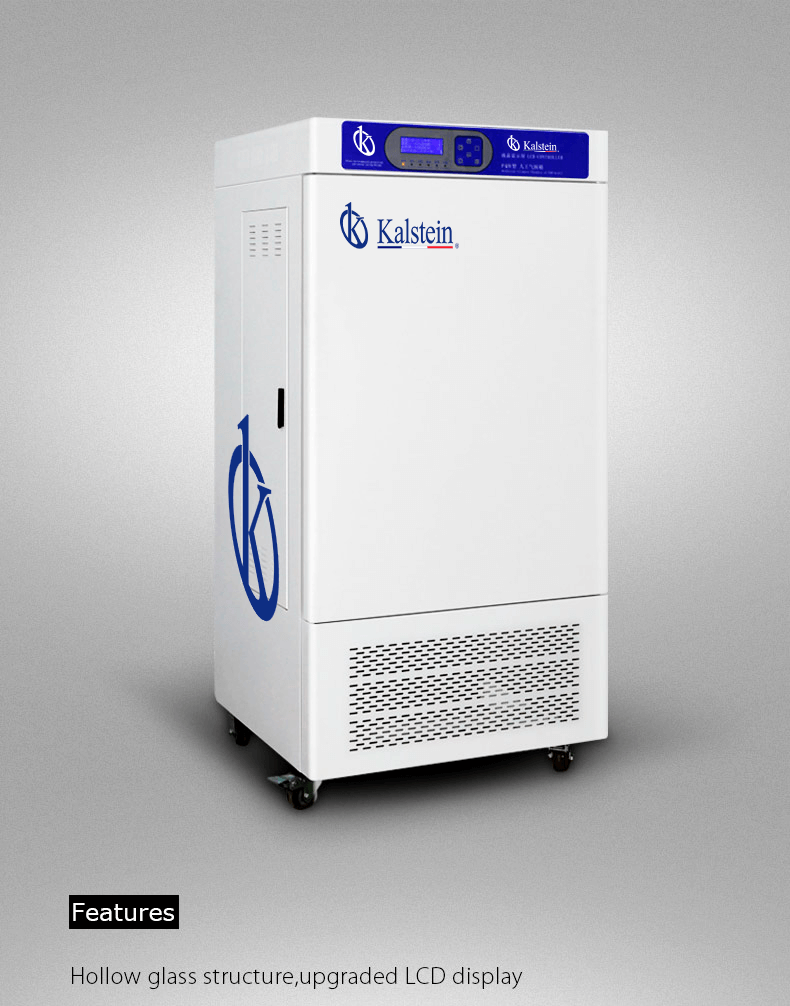
Energy Sustainability and Environmental Footprint Reduction in Plant Growth Chambers
As the global focus on sustainability intensifies, laboratories are increasingly seeking ways to reduce their environmental impact. Plant growth chambers, utilized extensively in various research and agricultural applications, present a unique opportunity to enhance energy sustainability. This article delves into the ways in which modern plant growth chambers can be optimized for reduced energy consumption, lower carbon footprints, and sustainable practices.
Understanding Plant Growth Chambers and Their Role in Energy Sustainability
Plant growth chambers provide controlled environments for plant research, enabling scientists to study growth patterns, germination processes, and responses to varying conditions. These chambers simulate different climates, allowing for year-round research. However, they also consume significant energy, primarily due to their lighting and climate control systems. The key to aligning their use with sustainability goals lies in adopting energy-efficient technologies and practices.
Criteria for Energy-Efficient Plant Growth Chambers
When selecting plant growth chambers, several factors contribute to energy efficiency. These include the types of lighting used, insulation quality, temperature regulation mechanisms, and overall design. Modern models incorporate smart technology that allows for real-time monitoring and adjustments, significantly reducing energy intake. The following sections will examine specific models and their contributions to sustainability.
Lighting and Energy Efficiency
Lighting is one of the primary energy consumers in plant growth chambers. Traditional incandescent bulbs have largely been replaced with LED lighting, which significantly reduces energy costs and heat emissions. LEDs can also be programmed for optimal light spectra, enhancing plant growth while minimizing energy use.
Temperature Regulation Technologies
Efficient temperature management is crucial for plant health and sustainability. Modern chambers utilize advanced insulation materials and intelligent cooling systems that maintain desired temperatures with minimal energy consumption. By reducing reliance on traditional cooling systems, laboratories can lower their overall energy usage.
Comparison of Available Models
| Model | Temperature Range (°C) | Lighting (LX) | Power (W) | Internal Volume (L) | Price (USD) |
|---|---|---|---|---|---|
| YR05331 | 10~50 (with light), 5~60 (without light) | 0~10000 | 900 | 150 | 1015.00 |
| YR05332 | 10~50 (with light), 5~60 (without light) | 0~15000 | 1000 | 250 | 1270.00 |
| YR05333 | 10~50 (with light), 5~60 (without light) | 0~15000 | 1200 | 350 | 1700.00 |
Common Mistakes and How to Avoid Them
Many laboratories make critical errors in their approach to energy sustainability in plant growth chambers. Common mistakes include over-sizing the chamber, neglecting insulation quality, and failing to utilize energy-efficient lighting. To avoid these pitfalls, laboratories should conduct thorough assessments of their needs and consider models that offer energy-saving features. Additionally, regular maintenance and calibration of the chambers can ensure they operate at peak efficiency.
Concrete Reduction Tactics for Energy Consumption
To effectively reduce the energy footprint of plant growth chambers, laboratories can implement several strategies. These include scheduling operations during off-peak energy hours, utilizing timers for lighting control, and regularly reviewing energy consumption metrics. By adopting a proactive approach to energy management, laboratories can not only achieve sustainability goals but also lower operational costs.
Lifecycle Assessment of Plant Growth Chambers
Conducting a lifecycle assessment can help laboratories understand the environmental impact of their plant growth chambers. This assessment evaluates the energy use, material sourcing, and disposal methods associated with the chambers. Choosing models with lower environmental footprints during production and end-of-life can lead to more sustainable laboratory practices.
Frequently Asked Questions
What energy efficiency features should I look for in a plant growth chamber?
When selecting a plant growth chamber, look for models like the YR05332 or YR05333 that feature LED lighting, advanced temperature control systems, and good insulation. These features significantly enhance energy efficiency, helping to lower operational costs while supporting sustainable practices.
How can advanced temperature control reduce carbon footprint in plant growth chambers?
Advanced temperature control systems in models like the YR05331 optimize energy use by maintaining ideal conditions with less energy waste. This contributes to a reduced carbon footprint, aligning laboratory practices with broader sustainability goals.
What is the average energy consumption of a standard plant growth chamber?
The average energy consumption varies by model, with the YR05331 consuming around 900W. Understanding specific energy usage helps laboratories plan for cost efficiencies and sustainability initiatives.
How do LED lights impact the operational costs of plant growth chambers?
LED lights, like those in the YR05332, use significantly less energy compared to traditional lighting, which lowers overall operational costs. This energy-saving feature enhances the sustainability profile of laboratories while maintaining optimal plant growth conditions.
Which plant growth chamber model is best for energy sustainability?
The YR05333 model is recognized for its high lighting capacity and efficient energy usage, making it an excellent choice for labs focused on energy sustainability. Its design reduces wasted energy while providing optimal conditions for plant research.
Can I integrate renewable energy sources with plant growth chambers?
Yes, integrating renewable energy sources such as solar panels with models like the YR05331 can further enhance energy sustainability. This integration supports lab efforts to minimize reliance on non-renewable energy sources and reduce overall environmental impact.
Conclusion
As the push for sustainability in laboratory environments grows, plant growth chambers play a critical role in advancing these efforts. By selecting energy-efficient models like the YR05331, YR05332, and YR05333, laboratories can significantly reduce their energy consumption and environmental footprints. Implementing best practices in energy management not only supports sustainability goals but also leads to operational savings.
If you are looking for a fusion of innovation and quality, you have come to the right place. At Kalstein, we offer you the luxury of exploring our exclusive catalog of laboratory equipment. We manufacture every device to the highest standards of excellence. Our intuitive and seamless online purchasing channels are designed for your convenience, securing the most competitive prices. Hesitate no longer — we bring science to life, it is time to become part of our community.