How to Enhance Energy Sustainability and Reduce Environmental Footprint in Oil Baths
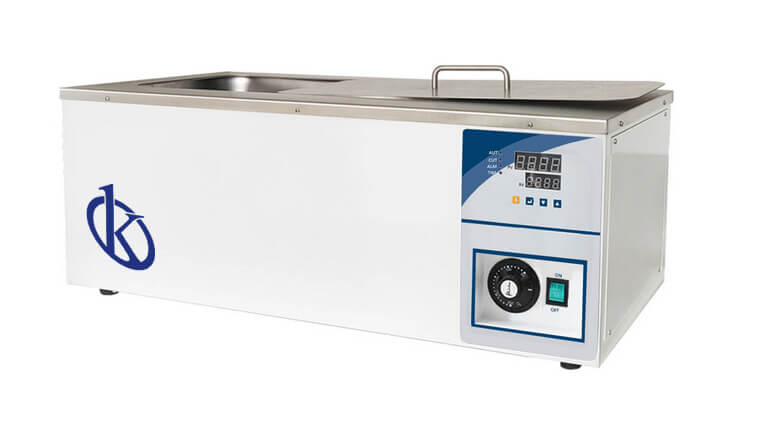
In laboratory settings, oil baths serve a critical role in providing stable temperature control for a variety of applications ranging from bioengineering to pharmaceuticals. However, the need for energy sustainability and reduced environmental impact is increasingly becoming paramount. This article delves into how laboratories can leverage oil baths, particularly focusing on models such as the YR04973, YR04974, YR04975, and YR04976, to achieve these goals.
Understanding Oil Baths and Their Role in Energy Sustainability
Oil baths are essential for processes that require precise temperature control. Traditionally used in fields such as chemical engineering, food processing, and medical research, these instruments must adapt to contemporary demands for energy efficiency. By improving their energy sustainability, labs can not only save costs but also contribute to reduced carbon emissions. The YR series oil baths feature advanced PID controllers that provide rapid temperature increases while maintaining consistent temperature levels, which is significant for minimizing energy consumption.
Comparison of Available Models
| Model | Power (W) | Temperature Range (°C) | Price (USD) | Best for |
|---|---|---|---|---|
| YR04973 | 1000 | RT +5~250 | 150.00 | General laboratory use |
| YR04974 | 1200 | RT +5~250 | 165.00 | Food processing applications |
| YR04975 | 1600 | RT +5~250 | 192.00 | Bioengineering labs |
| YR04976 | 2000 | RT +5~250 | 250.00 | Chemical industry applications |
Energy Consumption Analysis of Oil Baths
When evaluating energy sustainability in oil baths, it's essential to analyze their energy consumption. Each model operates at different power levels, affecting total energy usage. As seen in the comparison table, the YR04973 operates at 1000W, making it suitable for moderate energy needs, while the YR04976's 2000W capacity allows for faster heating but could lead to higher energy costs if not managed properly. Laboratories should conduct regular energy audits and analyze their usage patterns to optimize efficiency.
Strategies for Reducing Environmental Footprint
Minimizing the environmental impact of oil baths involves several strategies, including choosing energy-efficient models, employing smart controls, and ensuring regular maintenance. Laboratories should consider models with features that allow for more precise temperature control, such as the PID controller used in the YR series. Additionally, implementing a recycling system for oil can significantly reduce waste generation.
Common Mistakes and How to Avoid Them
One common mistake in using oil baths is neglecting regular maintenance, which can lead to inefficiencies and increased power consumption. Another mistake is using higher temperature settings than necessary for specific applications, which not only wastes energy but also can lead to degraded performance of the equipment over time. Laboratories should regularly calibrate their equipment and set optimal operating temperatures according to experimental needs.
Best Practices for Implementing Energy-Efficient Oil Baths
To achieve energy efficiency in the use of oil baths, laboratories should consider implementing these best practices:
- Choose the appropriate model based on application needs and energy consumption.
- Utilize timers and programmable settings to limit operating hours.
- Regularly maintain and calibrate equipment to ensure optimal performance.
- Educate staff on energy-efficient practices and the importance of sustainability.
Frequently Asked Questions
How can I reduce energy consumption when using oil baths in my laboratory?
To reduce energy consumption, consider using oil baths like the YR04973 which has a lower power rating of 1000W, and implement features such as timers and PID controllers for efficient temperature control. Regular maintenance to calibrate and optimize performance can also minimize energy usage.
What are the environmental benefits of using energy-efficient oil baths?
Using energy-efficient oil baths reduces the overall energy demand of laboratory operations, leading to lower greenhouse gas emissions. Models such as the YR04974 can help labs meet sustainability goals while maintaining high precision in temperature control.
How do PID controllers in oil baths contribute to energy savings?
PID controllers, as featured in the YR series, provide accurate and rapid temperature adjustments, which prevent excessive heating and energy waste. This contributes to significant energy savings and helps maintain a stable environment for experiments.
What is the ideal temperature range for oil baths in energy sustainability applications?
The ideal temperature range for energy sustainability in oil baths is typically RT +5~250°C, which is supported by all models in the YR series. Operating within this range ensures optimal performance without unnecessary energy usage.
Can oil baths be integrated into a laboratory's sustainability plan?
Yes, oil baths can play a significant role in a laboratory's sustainability plan by selecting energy-efficient models and applying best practices for maintenance and operation. This contributes to a reduction in overall energy consumption and environmental impact.
What features should I look for in an energy-efficient oil bath?
When selecting an energy-efficient oil bath, look for features such as PID control systems for precise temperature management, low power consumption ratings, and materials that allow for effective insulation, all of which are offered in models like the YR04975.
How often should oil baths be maintained for optimal efficiency?
Oil baths should be maintained regularly, ideally on a monthly basis, to ensure optimum efficiency and energy savings. Regular checks can prevent larger issues and ensure accurate temperature control, especially for models like the YR04976.
What are some common operational errors when using oil baths in labs?
Common errors include setting unnecessary high temperatures, neglecting regular maintenance, and failing to calibrate equipment, which can lead to inefficiencies. Proper training on optimal usage can mitigate these errors, particularly with the YR series models.
If you are looking for a fusion of innovation and quality, you have come to the right place. At Kalstein, we offer you the luxury of exploring our exclusive catalog of laboratory equipment. We manufacture every device to the highest standards of excellence. Our intuitive and seamless online purchasing channels are designed for your convenience, securing the most competitive prices. Hesitate no longer — we bring science to life, it is time to become part of our community.