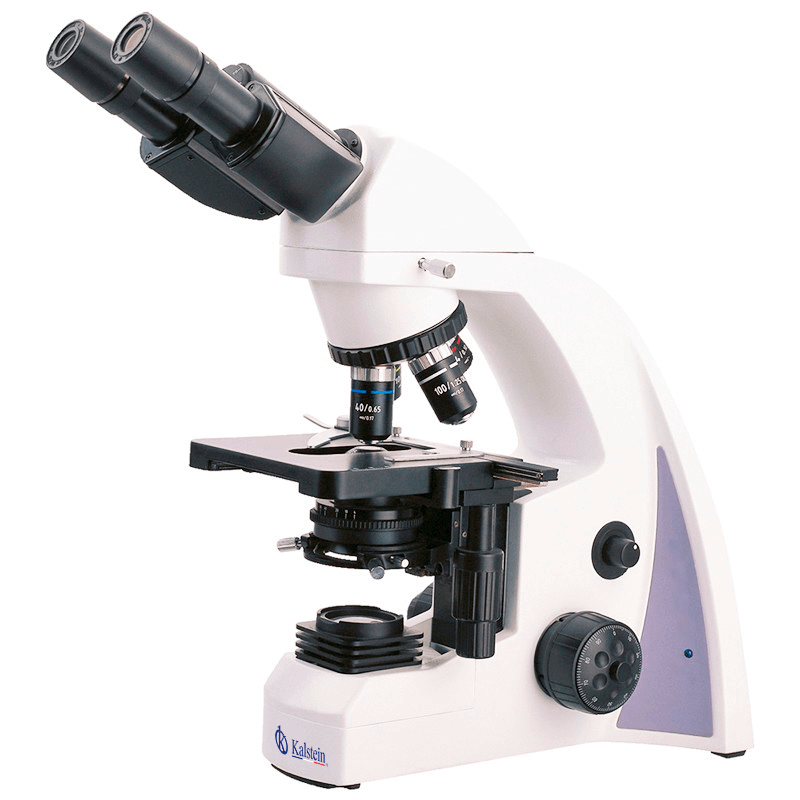
How Energy Sustainability and Environmental Footprint Reduction Impact Laboratory Microscopes
In today's scientific environment, the focus on energy sustainability and minimizing environmental footprints has reached critical levels. Laboratory microscopes, essential tools for research and analysis, are also impacted by this trend. This article delves into how modern laboratory microscopes can align with sustainability goals, exploring specific models, their energy consumption, and practical steps for reducing their environmental impact. By examining the Laboratory Microscope models YR0237-0-1, YR0237-1, YR0237-1-1, and the Fluid Handling Pipettes series, we will highlight the importance of energy efficiency in laboratory settings.
Understanding Energy Sustainability in Laboratory Equipment
Energy sustainability is a crucial aspect of laboratory operations, particularly in high-energy-consuming environments like research facilities. Reducing energy consumption not only lowers operational costs but also minimizes the overall environmental impact. Laboratory microscopes, which often run for extended periods, have become targets for energy efficiency improvements. Key factors to consider include energy-efficient lighting, innovative motor designs, and materials that reduce energy resource depletion.
Comparing Energy Consumption of Laboratory Microscopes
When selecting a laboratory microscope, it is essential to consider its energy consumption. Here, we compare several models based on their energy efficiency and features that support sustainability.
| Model | Power Consumption (Watts) | Energy Efficiency Features | Best Use Case |
|---|---|---|---|
| YR0237-0-1 | 50 | LED illumination, adjustable brightness | Routine laboratory analysis |
| YR0237-1 | 55 | Energy-efficient optics | Advanced research applications |
| YR0237-1-1 | 53 | Low power mode | Long-term microscopy studies |
| YR03731-1 | 10 | Minimal operational force, ergonomic design | Pipetting in microscopy |
Energy Consumption and Its Environmental Impact
Energy consumption in laboratories contributes significantly to their carbon footprint. Each microscope operates within a specific power range, and understanding this helps laboratories implement better energy management strategies. For instance, the YR0237-0-1 model, consuming only 50 Watts, is designed with LED illumination that enhances efficiency and longevity, thereby reducing energy waste.
Implementing Sustainable Practices in Microscopy
To align laboratory operations with sustainability goals, laboratories can adopt practices such as proper maintenance of equipment, utilizing energy-efficient models, and implementing a schedule for regular audits of energy consumption. These practices not only help in reducing the carbon footprint but also extend the lifespan of the equipment, leading to lower overall costs. For example, switching to the YR0237-1 model, which features energy-efficient optics, can significantly lower energy costs over time.
Lifecycle Assessment of Laboratory Microscopes
A lifecycle assessment (LCA) is essential in evaluating the environmental impacts of laboratory microscopes. By analyzing each phase, from manufacturing to disposal, labs can identify areas where they can improve sustainability. For instance, models like YR0237-1-1 are designed with recyclable materials, reducing their environmental impact during disposal. Furthermore, energy-efficient models contribute to a lower carbon footprint throughout their operational life.
Comparison of Available Models
| Model Code | Specifications | Best for | Energy Features |
|---|---|---|---|
| YR0237-0-1 | Binocular head, WF 10x/18 mm eyepieces, 4x to 100x objectives | Routine analysis | Adjustable brightness, LED light |
| YR0237-1 | Binocular head, WF 10x/18 mm eyepieces | Advanced research | Energy-efficient optics |
| YR0237-1-1 | Binocular head, infinity semi-plan objectives | Long-term studies | Low power mode |
| YR03731-1 | Fixed-volume pipette, various capacities | Pipetting tasks in microscopy | Low operational force |
Common Mistakes and How to Avoid Them
There are several common mistakes laboratories make regarding energy sustainability. One significant error is failing to assess the energy requirements of equipment properly. Select models that not only meet technical specifications but also prioritize energy efficiency. Always refer to energy consumption ratings and consider investing in models with features like adjustable brightness, such as the YR0237-0-1 microscope, which can drastically reduce wasted energy.
Frequently Asked Questions
How does the energy consumption of laboratory microscopes compare in 2026?
In 2026, energy consumption in laboratory microscopes is becoming more critical. Models like YR0237-1 with energy-efficient optics consume less than 55 Watts, making them ideal for sustainable lab operations. Choosing models with lower energy needs can significantly decrease laboratory operational costs.
What are the best practices for reducing the environmental footprint of microscopy labs?
To reduce the environmental footprint of microscopy labs, implement energy-efficient practices. Opt for models like YR0237-1-1 that have low power modes. Regularly audit energy use, maintain equipment, and dispose of materials responsibly to enhance overall sustainability.
Which laboratory microscope models contribute to energy sustainability?
Laboratory microscopes such as the YR0237-0-1 and YR0237-1 are designed with energy-efficient features. Their low power consumption and LED lighting contribute positively to energy sustainability efforts in laboratories, making them excellent choices for eco-conscious institutions.
How can I assess the environmental impact of my laboratory equipment?
To assess the environmental impact, conduct a lifecycle assessment (LCA) of your laboratory equipment, including microscopes. Models like YR0237-1-1, which use recyclable materials, can help reduce ecological footprints when evaluated through their entire lifecycle.
What role do laboratory pipettes play in energy sustainability?
Pipettes, such as the YR03731-1 series, play a crucial role in energy sustainability by minimizing operational force and ensuring efficient sample handling. Their design impacts energy use by requiring less energy to operate, thus contributing to overall lab sustainability.
How can laboratories implement energy-efficient practices effectively?
Laboratories can implement energy-efficient practices by selecting energy-efficient models like the YR0237-1, conducting regular energy audits, and investing in training staff on sustainable practices. This holistic approach can lead to significant energy savings.
What are the financial benefits of using energy-efficient microscopes?
Using energy-efficient microscopes, such as the YR0237-0-1, can lead to lower electricity bills and reduced operational costs. Over time, these savings can offset the initial price differences, making them financially beneficial for laboratories with sustainability goals.
How can energy sustainability in microscopy impact laboratory operations?
Energy sustainability in microscopy can significantly impact laboratory operations by reducing costs, minimizing carbon footprints, and enhancing the lab's reputation. Adopting energy-efficient models, like the YR0237-1, can lead to long-term savings and demonstrate corporate responsibility.
If you are looking for a fusion of innovation and quality, you have come to the right place. At Kalstein, we offer you the luxury of exploring our exclusive catalog of laboratory equipment. We manufacture every device to the highest standards of excellence. Our intuitive and seamless online purchasing channels are designed for your convenience, securing the most competitive prices. Hesitate no longer — we bring science to life, it is time to become part of our community.