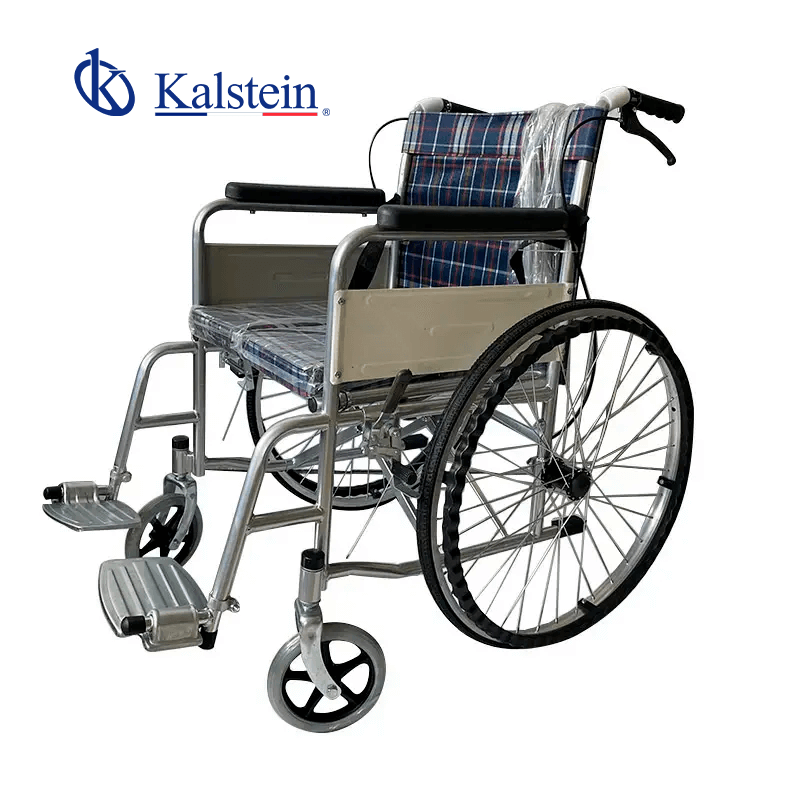
How to Enhance Energy Sustainability and Reduce Environmental Footprint in Manual Wheelchairs
As society increasingly emphasizes energy sustainability and environmental responsibility, the medical equipment sector, including manual wheelchairs, must adapt accordingly. This article delves into the various models of manual wheelchairs, assessing their features and operational efficiencies through the lens of energy sustainability and environmental impact reduction. By comparing models and understanding their manufacturing and operational characteristics, professionals can make informed decisions that align with sustainable practices.
Understanding Energy Sustainability in Manual Wheelchairs
Energy sustainability in manual wheelchairs relates not only to the energy consumed during use but also considers how the materials are sourced, manufactured, and disposed of at the end of life. Key factors include the durability of materials, the efficiency of design, and the overall lifecycle impact of the wheelchair. For instance, models like the YR05450 are designed with robust steel frames that can withstand extensive use, minimizing the need for frequent replacements.
Key Environmental Considerations in Manual Wheelchairs
Reducing the environmental footprint involves assessing how manual wheelchairs are manufactured and how they impact health and safety. Eco-friendly production processes and materials, such as recyclable components, can significantly lessen the environmental impact. Exploring models like the YR05456, which features a removable armrest and a washable honeycomb fabric, highlights how practical design choices contribute to sustainability.
Comparison of Available Models
| Model | Material | Weight | Seat Width | Best For |
|---|---|---|---|---|
| YR05450 | Steel Frame | 14.5 kg | 46 cm | Durability |
| YR05451 | Chromed Steel | 11 kg | 44 cm | Portability |
| YR05456 | Chromed Structure | 20 kg | 45 cm | Adaptability |
| YR05452 | Carbon Steel | 12 kg | 42.5 cm | Comfort |
| YR05454 | Chromed Steel | 18.4 kg | 46 cm | Stability |
| YR05453 | Chromed Structure | 14 kg | 46 cm | Versatility |
Common Mistakes and How to Avoid Them
One common mistake when selecting manual wheelchairs is overlooking the lifecycle cost, including maintenance and repair. The efficiency of models can significantly affect long-term expenses. For example, a model like YR05451 may appear cheaper initially but could incur higher maintenance costs due to less durable materials. It's essential to consider both upfront costs and ongoing expenses when evaluating options.
Strategies for Reducing Environmental Footprint
To effectively reduce the environmental footprint of manual wheelchairs, manufacturers can adopt eco-friendly practices. This includes utilizing recyclable materials, optimizing manufacturing processes to minimize waste, and designing products for longevity. Manual wheelchairs such as the YR05456 offer adjustable features, which can prolong their usability and reduce the need for replacements.
Implementing Energy-Efficient Practices in Wheelchair Usage
Practitioners can promote energy-efficient practices by educating wheelchair users on proper maintenance and care, which can prolong the life of the equipment. Regular checks on the wheels and structure will ensure optimal performance and reduce energy consumption. Models like YR05452, known for their lightweight and portable design, encourage users to engage in environmental consciousness through sustainable practices.
Addressing Regulatory Standards for Sustainability
Compliance with regulations and standards is crucial in ensuring that manual wheelchairs meet sustainability goals. Manufacturers need to be aware of certifications and standards relevant to energy consumption and material sourcing. Fulfilling these regulations not only supports sustainability but also boosts consumer trust and marketability.
Frequently Asked Questions
How can manual wheelchairs improve energy sustainability in healthcare environments?
Manual wheelchairs can enhance energy sustainability by utilizing durable, recyclable materials that minimize the need for replacement parts. Models like YR05450 are designed with robust frames that reduce energy costs over time due to their longevity. This longevity contributes to fewer replacements, thereby reducing waste and energy consumption associated with production.
What features of manual wheelchairs contribute to reducing environmental impact?
Features such as lightweight construction, use of recyclable materials, and easy maintenance contribute significantly to reducing environmental impact. For instance, the YR05451 model incorporates chromed steel which not only enhances durability but is also recyclable, ensuring that the environmental footprint is minimized throughout its lifecycle.
Which manual wheelchair models are best for energy efficiency?
Models like YR05452 and YR05456 stand out for their energy efficiency through lightweight designs and durable materials. These models reduce energy consumption during handling and transportation and support sustainability by utilizing components that are easily recyclable at the end of their life cycle.
How does the design of manual wheelchairs affect their environmental sustainability?
The design of manual wheelchairs plays a pivotal role in environmental sustainability by ensuring longevity and ease of recycling. For instance, the adjustable features of the YR05456 model allow for prolonged use, which can significantly reduce the frequency of replacements and the resultant waste generated.
What are the long-term cost benefits of using sustainable manual wheelchair models?
Sustainable manual wheelchair models, such as YR05450, often lead to long-term cost savings through reduced maintenance expenses and improved durability. By investing in higher-quality models, healthcare facilities can minimize the costs associated with frequent replacements and lower their overall environmental impact.
How can users effectively maintain manual wheelchairs to ensure sustainability?
Regular maintenance, including checking wheel alignment and ensuring the structure is free of rust, is crucial for sustaining the efficiency of manual wheelchairs. Models like YR05451 are designed for easy upkeep, which helps ensure they remain functional and environmentally sustainable over time.
What role do manufacturers play in enhancing the sustainability of manual wheelchairs?
Manufacturers play a critical role by prioritizing eco-friendly materials and production processes that minimize waste. By producing models like YR05454 with an emphasis on recyclable materials, manufacturers can significantly influence the sustainability and energy efficiency of the manual wheelchair sector.
If you are looking for a fusion of innovation and quality, you have come to the right place. At Kalstein, we offer you the luxury of exploring our exclusive catalog of laboratory equipment. We manufacture every device to the highest standards of excellence. Our intuitive and seamless online purchasing channels are designed for your convenience, securing the most competitive prices. Hesitate no longer — we bring science to life, it is time to become part of our community.