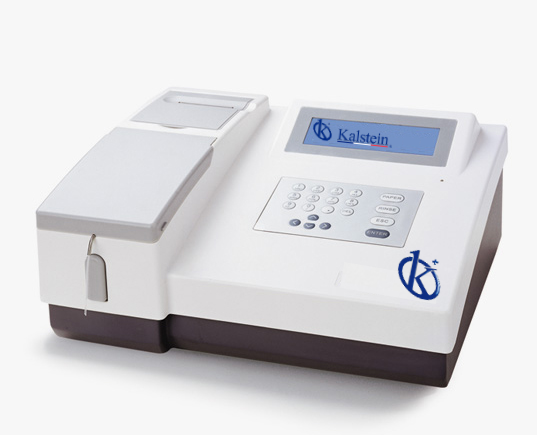
Energy Sustainability and Environmental Footprint Reduction in Chemical Analyzers
In an era where sustainability is not just desirable but essential, laboratories must focus on reducing their environmental footprint. Chemical analyzers play a critical role in this transition, offering innovative solutions that minimize energy consumption and waste. This article explores how various models of chemical analyzers contribute to energy sustainability and environmental footprint reduction, along with a detailed comparison of their features to guide laboratory professionals in making informed choices.
Understanding Energy Sustainability in Chemical Analyzers
Energy sustainability in laboratories involves using equipment that minimizes energy consumption while maintaining high levels of efficiency and performance. Chemical analyzers, ranging from semi-automatic to fully automatic systems, can significantly impact a laboratory's energy usage. By adopting models designed with energy-saving features, labs can achieve considerable reductions in their operational costs and overall carbon footprint.
Environmental Footprint of Laboratory Operations
The environmental footprint of laboratories is influenced by energy consumption, reagent usage, waste generation, and the methods of disposal employed. Reducing the environmental footprint requires a holistic approach, taking into account the entire lifecycle of the equipment used, from manufacturing to disposal. Innovative chemical analyzers like the YR05115 and YR06075 incorporate features that reduce reagent waste and optimize energy usage, aligning with sustainable practices.
Key Features for Energy Efficiency in Chemical Analyzers
To effectively contribute to energy sustainability, chemical analyzers must possess several key features:
- Energy-efficient design: Models with low power consumption specifications can lead to significant savings over time.
- Waste reduction: Efficient reagent usage minimizes waste and disposal costs.
- Smart technology: Features like automatic shut-off and sleep modes extend the lifespan of the instrument and reduce energy usage.
- Real-time monitoring: Continuous monitoring can help optimize operational parameters, leading to better energy management.
Optimization Techniques for Reducing Environmental Footprint
Laboratories can implement various optimization techniques to further reduce their environmental footprint:
- Regular maintenance: Ensuring analyzers are well-maintained not only enhances performance but also optimizes energy consumption.
- Training personnel: Educating staff on best practices for using analyzers can lead to more efficient operation and reduced reagent usage.
- Upgrading equipment: Investing in modern, energy-efficient models can drastically cut down on energy and reagent costs.
Comparison of Available Models
| Model | Weight (kg) | Energy Efficiency Features | Price (USD) | Best For |
|---|---|---|---|---|
| YR05115 | 7 | Hibernation function, 10,000 results memory | 800.00 | Small to medium labs |
| YR05114 | 8 | Energy-saving light source | 950.00 | Routine testing |
| YR06092 | 2.4 | Compact design and low power consumption | 150.00 | Fieldwork |
| YR06075 | 255 | High throughput and automated washing | 12500.00 | High-demand laboratories |
| YR05116 | 10 | Windows OS, real-time curve display | 1300.00 | Advanced applications |
| YR06078 | 10 | Memory for 10,000 results, optional filters | 1100.00 | Versatile testing scenarios |
Common Mistakes and How to Avoid Them
When selecting chemical analyzers for environmental sustainability, laboratories often make critical mistakes that can hinder their sustainability goals:
- Overlooking energy specifications: Always review the energy consumption figures and select models with lower kWh ratings.
- Ignoring maintenance requirements: Regular maintenance is essential to ensure optimal performance and energy efficiency.
- Choosing based solely on initial cost: Consider long-term operational costs, including energy and reagent expenses.
Frequently Asked Questions
What are the energy efficiency features of the YR06075 chemistry analyzer?
The YR06075 features an automated washing system and high throughput capabilities, which enhance energy efficiency by minimizing reagent usage and optimizing performance. This model can perform up to 560 tests per hour, making it ideal for high-demand laboratories.
How can I reduce the environmental footprint of my laboratory using chemical analyzers?
To reduce your laboratory's environmental footprint, select models like the YR05115 that offer energy-saving functions, and implement regular maintenance. Additionally, training staff on best practices can help optimize reagent usage.
Why is it important to consider energy sustainability in choosing a chemical analyzer?
Considering energy sustainability is crucial as it leads to reduced operational costs and environmental impact. Models like the YR06092 are designed for low energy consumption, making them ideal for labs focused on sustainability.
What is the typical cost of energy-efficient chemical analyzers?
Energy-efficient chemical analyzers vary in cost based on features. For example, the YR05114 is priced at $950 and provides substantial energy savings with its efficient light source and operation.
Which chemical analyzer offers the best sustainability features for small labs?
The YR05115 is ideal for small labs as it combines an energy-efficient design with a hibernation function, allowing for reduced energy consumption while providing reliable results.
How do I evaluate the energy consumption of different chemical analyzers?
Evaluate energy consumption by reviewing the technical specifications of each model. For instance, the YR06078 provides clear energy ratings and offers features that enhance efficiency, making it easier to assess its sustainability.
What types of features should I look for in a lab analyzer for sustainability?
Look for features such as low energy consumption ratings, automatic shut-off functions, and efficient reagent usage. Models like the YR06075 provide high throughput while maintaining energy efficiency, making them suitable for sustainable lab practices.
How can upgrading to a new chemical analyzer reduce my lab's environmental impact?
Upgrading to modern models like the YR06078 can significantly reduce your lab's environmental impact by improving energy efficiency and minimizing reagent waste, aligning with sustainability goals.
If you are looking for a fusion of innovation and quality, you have come to the right place. At Kalstein, we offer you the luxury of exploring our exclusive catalog of laboratory equipment. We manufacture every device to the highest standards of excellence. Our intuitive and seamless online purchasing channels are designed for your convenience, securing the most competitive prices. Hesitate no longer — we bring science to life, it is time to become part of our community.