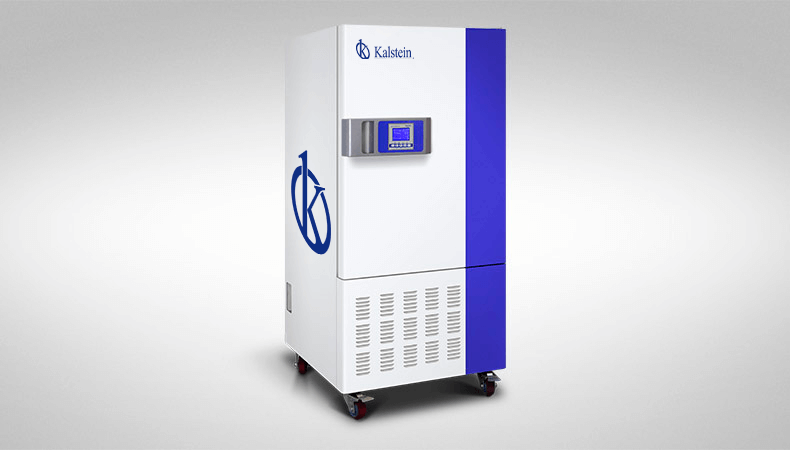
How Energy Sustainability Affects Drug Stability Testing Chambers
In the evolving landscape of laboratory practices, energy sustainability is becoming a critical focus, especially in the context of drug stability testing chambers. As the pharmaceutical industry continues to prioritize environmental responsibility, understanding how different models of drug stability testing chambers contribute to reducing energy consumption and environmental footprint is essential. This article will explore the importance of energy sustainability in drug stability testing and compare various chambers that meet these standards.
Understanding Energy Sustainability in Drug Stability Testing
Energy sustainability refers to the ability to provide energy in a way that minimizes environmental impact while promoting economic feasibility. In drug stability testing, it is crucial to maintain precise conditions for temperature and humidity, often requiring significant energy inputs. Laboratories are increasingly recognizing that adopting energy-efficient technologies can lead to substantial reductions in operational costs and environmental footprint.
Energy Consumption and Its Impact on Drug Stability Testing
The energy consumption of drug stability testing chambers is a key factor that laboratories must consider. High-energy consumption not only leads to increased operational costs but also contributes to a larger carbon footprint. The trend of energy efficiency is not merely a preference but a necessity, particularly as regulatory bodies increasingly emphasize environmental standards.
Comparison of Available Models
| Model | USD Price | Temperature Range | Humidity Range | Energy Efficiency Features | Best For |
|---|---|---|---|---|---|
| YR05350 | $2500.00 | 0~60°C | 50~90% HR | Efficient compressor technology, automatic defrosting | Pharmaceutical industry |
| YR05351 | $2940.00 | 0~60°C | 50~90% HR | Balanced refrigeration technology | Biotechnology applications |
| YR05352 | $3900.00 | 0~60°C | 50~90% HR | Multi-safety system, prolonged operation | Food and life sciences |
Common Mistakes and How to Avoid Them
Many laboratories overlook the importance of energy efficiency when selecting drug stability testing chambers. A common mistake is not adequately assessing the energy consumption of different models and how they align with sustainability goals. It is vital to consider the long-term operational costs associated with energy use rather than focusing solely on the initial purchase price. Incorporating energy audits and efficiency assessments into the selection process can significantly enhance sustainability efforts.
Optimizing Energy Use in Drug Stability Chambers
Optimizing energy use in drug stability testing chambers involves several strategies, including regular maintenance, proper calibration, and energy-efficient practices. Implementing a preventive maintenance schedule can help ensure that the equipment operates at optimal efficiency, thus reducing energy consumption. Additionally, using programmable controls to adjust temperature and humidity settings according to testing schedules can further optimize energy use.
Lifecycle Assessment and Environmental Impact
A lifecycle assessment (LCA) evaluates the environmental impact of a product from its inception to its disposal. For drug stability testing chambers, an LCA includes factors such as energy consumption, material sourcing, and end-of-life disposal. Conducting an LCA can provide laboratories with insights into how to minimize their environmental footprint through the selection of energy-efficient models and sustainable practices.
Future Trends in Energy Sustainability for Drug Stability Testing
The future of energy sustainability in drug stability testing is likely to see more advanced technologies, such as smart sensors and IoT integration, allowing for real-time monitoring and control of energy use. These innovations will enable laboratories to implement adaptive strategies that not only enhance the reliability of testing outcomes but also align with sustainability objectives.
Frequently Asked Questions
How do energy-efficient drug stability testing chambers reduce operational costs?
Energy-efficient models, such as the YR05350, can significantly lower electricity bills by utilizing advanced compressor technology and implementing automatic defrosting features. This leads to reduced energy consumption, ultimately benefiting laboratory budgets.
What are the environmental benefits of using drug stability testing chambers?
Using energy-efficient drug stability testing chambers like YR05351 minimizes the environmental impact by lowering greenhouse gas emissions associated with high energy consumption. This is crucial for laboratories aiming to align with sustainability goals.
Which model is best for laboratories focused on energy sustainability?
The YR05352 is noted for its multi-safety system and prolonged operation, making it an excellent choice for laboratories dedicated to energy sustainability. Its design helps conserve energy while maintaining optimal testing conditions.
How often should drug stability testing chambers be calibrated for energy efficiency?
Regular calibration of drug stability testing chambers, such as the YR05350, is recommended every six months to ensure they operate efficiently. This helps maintain precise testing conditions while minimizing energy waste.
What is the average energy consumption of drug stability testing chambers?
The energy consumption of drug stability testing chambers varies by model; for instance, the YR05351 utilizes advanced refrigeration technology to optimize energy use. Understanding model specifications is crucial for evaluating energy consumption.
How can laboratories assess the energy sustainability of their testing facilities?
Laboratories can conduct energy audits and lifecycle assessments to evaluate the sustainability of their drug stability testing chambers. This process helps identify energy-saving opportunities and aligns testing operations with environmental standards.
What certifications should laboratories look for regarding energy efficiency?
Certification labels such as ENERGY STAR indicate that a drug stability testing chamber meets strict energy efficiency guidelines. Models like the YR05352 may include such certifications, benefiting laboratories aiming for sustainable operations.
How can labs integrate sustainability into their drug stability testing processes?
Laboratories can integrate sustainability by selecting energy-efficient models, implementing best practices for energy use, and regularly monitoring their operational efficiency, enhancing their environmental commitment while ensuring compliance.
If you are looking for a fusion of innovation and quality, you have come to the right place. At Kalstein, we offer you the luxury of exploring our exclusive catalog of laboratory equipment. We manufacture every device to the highest standards of excellence. Our intuitive and seamless online purchasing channels are designed for your convenience, securing the most competitive prices. Hesitate no longer — we bring science to life, it is time to become part of our community.