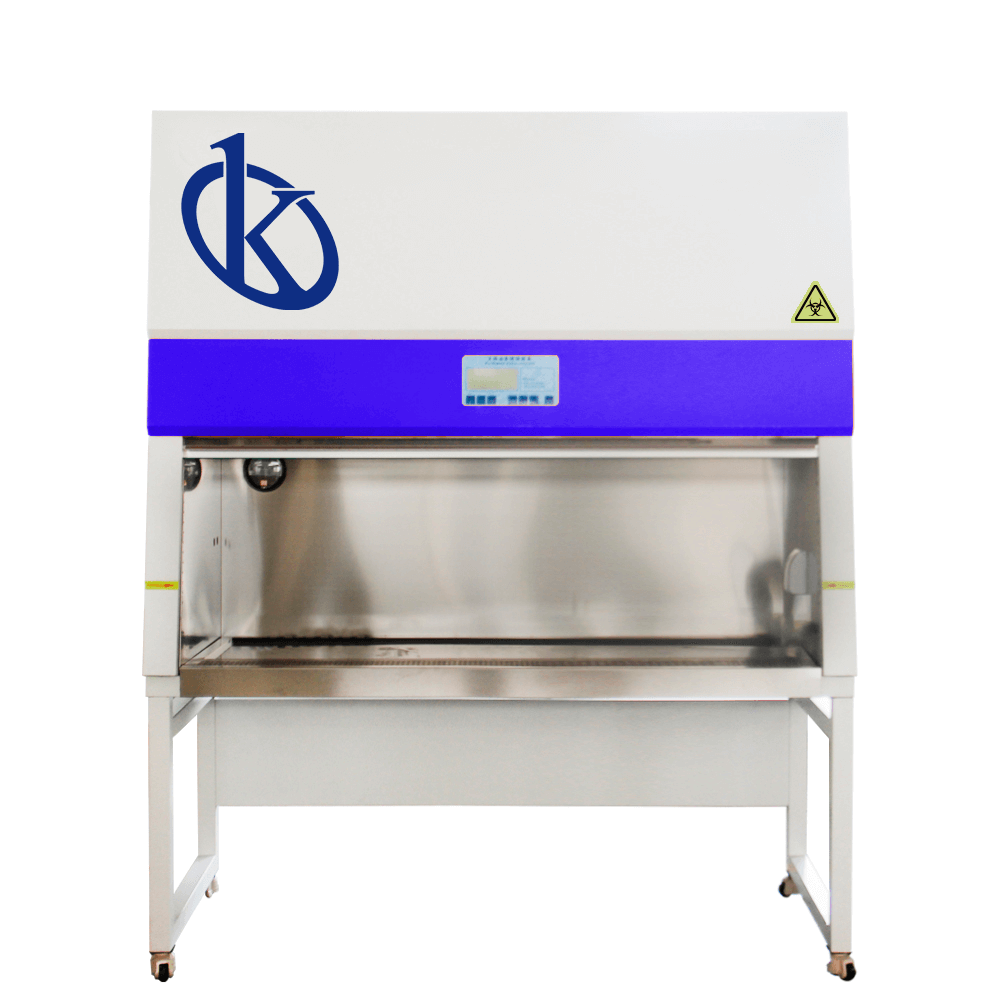
How to Ensure Energy Sustainability in Class II Biosafety Cabinets
As laboratories increasingly focus on environmental responsibility, it is vital to explore energy sustainability in equipment like Class II Biosafety Cabinets. These cabinets are essential for protecting users and samples from contamination, but they also contribute to a laboratory's overall energy consumption. Understanding the operational efficiencies and energy-saving features of various models can help laboratories reduce their carbon footprint while maintaining compliance with safety standards.
Understanding Energy Sustainability in Biosafety Cabinets
Energy sustainability refers to the efficient use of energy resources to minimize environmental impact while ensuring operational effectiveness. In laboratory settings, especially those utilizing Class II Biosafety Cabinets, it is crucial to assess how these units consume energy during operation. Key factors influencing energy use include airflow rates, HEPA filter efficiency, and the overall design of the cabinet.
Biosafety Cabinets and Their Energy Consumption
Class II Biosafety Cabinets typically operate with a continuous flow of air to maintain a sterile environment. This operation requires significant energy, primarily for fan motors and lighting. The energy use can be categorized into two main areas: direct power consumption from the cabinet's operation and indirect consumption related to associated equipment, such as HVAC systems. Therefore, selecting models with energy-efficient designs not only conserves energy but also reduces operational costs in the long term.
Comparison of Available Models
| Model | Price (USD) | Energy Consumption (W) | Best for |
|---|---|---|---|
| YR05704 | 1600.00 | 400 | Small labs focused on safety |
| YR05705 | 1650.00 | 500 | Medium labs needing flexibility |
| YR05706 | 2150.00 | 600 | High throughput labs |
| YR0090-A | 1260.00 | 600 | Budget-conscious laboratories |
| YR05270 | 2750.00 | 700 | Advanced research environments |
| YR05271 | 2940.00 | 700 | High-containment applications |
Energy Saving Features in Class II Biosafety Cabinets
When evaluating the energy efficiency of Class II Biosafety Cabinets, look for features such as variable-speed fans, which adjust airflow based on the pressure differential across the HEPA filters. Additionally, models with LED lighting consume less energy than traditional bulbs. Furthermore, designs that minimize external ductwork can significantly reduce installation and operational energy costs.
Lifecycle Assessment and Its Importance
Conducting a lifecycle assessment (LCA) on Class II Biosafety Cabinets involves evaluating their environmental impact from manufacturing to disposal. Implementing models like the YR05270, which employs advanced materials and energy-efficient operation, can result in a lower overall environmental impact. This assessment helps laboratories choose cabinets that are not only compliant with safety standards but also environmentally responsible.
Common Mistakes and How to Avoid Them
Many laboratories fail to consider the total energy implications of their equipment, focusing solely on initial costs. To avoid oversights, labs should prioritize energy-efficient models and consider operational costs over the lifespan of the equipment. Additionally, regular maintenance of HEPA filters can enhance energy efficiency; clogged filters force fans to work harder, increasing energy consumption.
Frequently Asked Questions
What are the energy consumption levels for Class II Biosafety Cabinets?
Biosafety cabinets like the YR05704 have energy consumption levels starting at 400W, making them suitable for smaller laboratories focused on energy efficiency.
How can I reduce my laboratory's energy footprint with biosafety cabinets?
Selecting energy-efficient models, such as the YR0090-A, and implementing best practices for maintenance can significantly reduce your laboratory's energy footprint.
Which features improve energy efficiency in biosafety cabinets?
Variable-speed fans and LED lighting, as found in models like the YR05706, contribute to improved energy efficiency in biosafety cabinets.
What is the average lifespan of a Class II Biosafety Cabinet?
The average lifespan of a Class II Biosafety Cabinet, such as the YR05271, is around 10-15 years, depending on usage and maintenance.
How do HEPA filters impact energy consumption in biosafety cabinets?
HEPA filters, like those used in the YR05270, need regular maintenance. Clogged filters can lead to higher energy consumption due to increased fan workload.
What certifications should I look for in energy-efficient biosafety cabinets?
Look for certifications like ISO 14644.1, which indicate compliance with cleanliness standards, and ENERGY STAR qualifications for energy efficiency in models such as the YR05705.
How does the design of a biosafety cabinet affect its energy use?
The design impacts airflow and filtration efficiency; models like the YR05704 are engineered to optimize both, minimizing energy consumption while ensuring safety.
What is the ROI for investing in energy-efficient biosafety cabinets?
Investing in energy-efficient models such as the YR05706 can yield a positive ROI through reduced energy costs, with many labs recouping their investment within 2-3 years.
If you are looking for a fusion of innovation and quality, you have come to the right place. At Kalstein, we offer you the luxury of exploring our exclusive catalog of laboratory equipment. We manufacture every device to the highest standards of excellence. Our intuitive and seamless online purchasing channels are designed for your convenience, securing the most competitive prices. Hesitate no longer — we bring science to life, it is time to become part of our community.