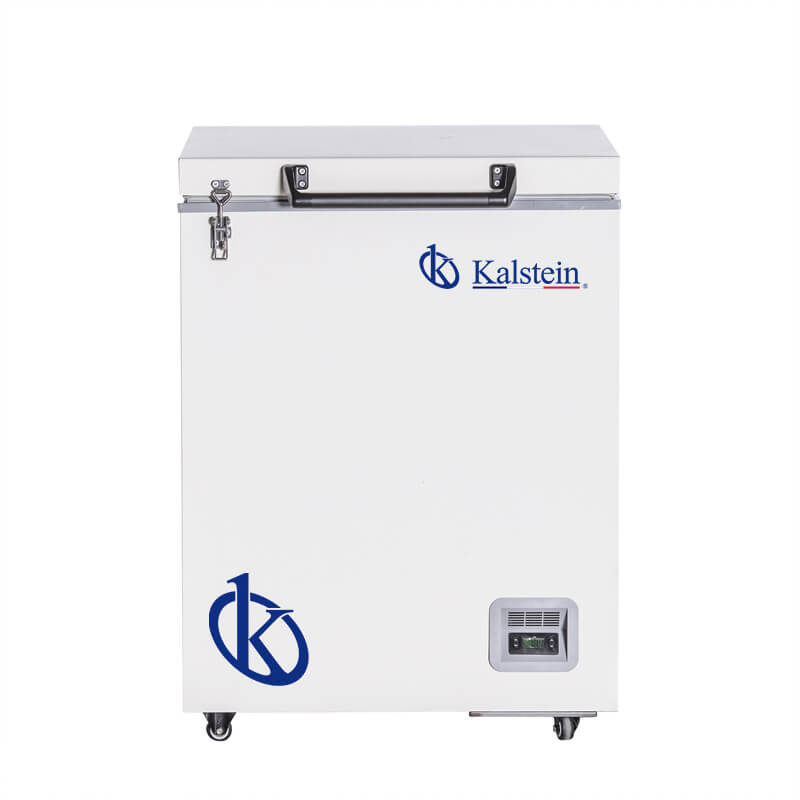
How to choose an energy-efficient chest freezer that reduces environmental footprint?
As laboratory professionals, enhancing energy sustainability and minimizing environmental footprints have become increasingly critical considerations in our equipment choices. Chest freezers play a vital role in preserving sensitive samples, yet their energy consumption can significantly impact operational costs and carbon emissions. This article delves into selecting energy-efficient chest freezers, focusing on their environmental impacts, and providing a comprehensive comparison of various models.
Understanding Energy Efficiency in Chest Freezers
Energy efficiency in chest freezers refers to the effective use of electrical power to achieve desired cooling results while minimizing energy waste. Evaluating models against established standards such as ENERGY STAR can guide professionals towards selections that adhere to rigorous energy conservation measures. These standards help in identifying freezers that utilize advanced technology and environmentally friendly refrigerants, thus reducing overall energy consumption and carbon emissions.
Key Features that Promote Environmental Sustainability
When assessing chest freezers, several features can indicate a commitment to environmental sustainability. These include:
- Refrigerant Type: Opt for models using eco-friendly refrigerants like R290, which have lower global warming potential.
- Energy Consumption: Look for detailed energy consumption metrics, such as kWh usage per day, to quantify efficiency.
- Insulation Quality: High-quality insulation reduces energy loss and maintains temperatures effectively.
- Temperature Range: Adjustable temperature settings can help optimize energy use based on specific storage requirements.
- Advanced Controls: Microprocessor controls and temperature alarms aid in proactive management, thus enhancing efficiency.
Comparative Analysis of Models for Enhanced Sustainability
Here, we present a comparison of various chest freezer models available on the market, focusing on energy efficiency and sustainability features:
| Model | Energy Consumption (kWh/24h) | Refrigerant | Temperature Range (°C) | Price (USD) |
|---|---|---|---|---|
| YR05102 | 1.65 | R290 | -10 to -40 | 450.00 |
| YR05103 | 1.68 | R290 | -10 to -40 | 885.00 |
| YR05104 | 3.45 | R290 | -20 to -40 | 1100.00 |
| YR05314 | 11.5 | Mixed Gas | -40 to -86 | 3150.00 |
| YR05313 | 3.8 | Mixed Gas | -40 to -86 | 1825.00 |
| YR05315 | 3.2 | HFC | -25 to -60 | 1150.00 |
Common Mistakes and How to Avoid Them
When selecting a chest freezer, common mistakes can lead to poor choices and increased operational costs. Below are some pitfalls to avoid:
- Ignoring Energy Ratings: Always check the energy efficiency rating of the model.
- Overlooking Refrigerant Types: Choose models with environmentally friendly refrigerants to minimize climate impact.
- Not Considering Size and Capacity: Assess space and storage needs to avoid overspending on unnecessary capacity.
- Neglecting Maintenance Requirements: Ensure regular maintenance checks to maintain efficiency.
Frequently Asked Questions
How much energy does a chest freezer consume and how can I reduce it?
The energy consumption of a chest freezer varies by model, with the YR05102 consuming 1.65 kWh per 24 hours. To reduce this, select models with high energy ratings and maintain optimal temperature settings.
Which chest freezer model is best for minimizing environmental impact?
The YR05102 model stands out due to its utilization of R290 refrigerant and low energy consumption of 1.65 kWh/24h, making it an excellent choice for reducing environmental impact.
What are the benefits of using eco-friendly refrigerants in freezers?
Eco-friendly refrigerants like R290 have a significantly lower global warming potential compared to traditional refrigerants. Models like YR05102 and YR05103 utilize R290 to enhance sustainability in lab environments.
How often should I perform maintenance on my chest freezer?
Regular maintenance is essential for energy efficiency. Ideally, perform checks every six months, especially for models like YR05314 that operate under stringent conditions.
What temperature settings are recommended for a chest freezer?
For optimal sample preservation, maintain temperatures between -20°C to -40°C for typical lab freezers. Models like YR05104 allow for this range to ensure sample integrity.
Are there specific features I should look for in a chest freezer for lab use?
Look for features like digital temperature controls, eco-friendly refrigerants, and adjustable temperature ranges. The YR05315, for example, offers an adjustable range of -25°C to -60°C, ideal for various lab applications.
How can I ensure my chest freezer meets sustainability standards?
To comply with sustainability standards, choose ENERGY STAR-rated models, such as the YR05102, and monitor energy consumption regularly to ensure efficient operation.
What is the typical lifespan of a chest freezer used in laboratories?
The average lifespan of a chest freezer in lab settings ranges from 10 to 15 years, depending on maintenance and usage. Models like YR05314 are designed for long-term reliability with proper upkeep.
If you are looking for a fusion of innovation and quality, you have come to the right place. At Kalstein, we offer you the luxury of exploring our exclusive catalog of laboratory equipment. We manufacture every device to the highest standards of excellence. Our intuitive and seamless online purchasing channels are designed for your convenience, securing the most competitive prices. Hesitate no longer — we bring science to life, it is time to become part of our community.