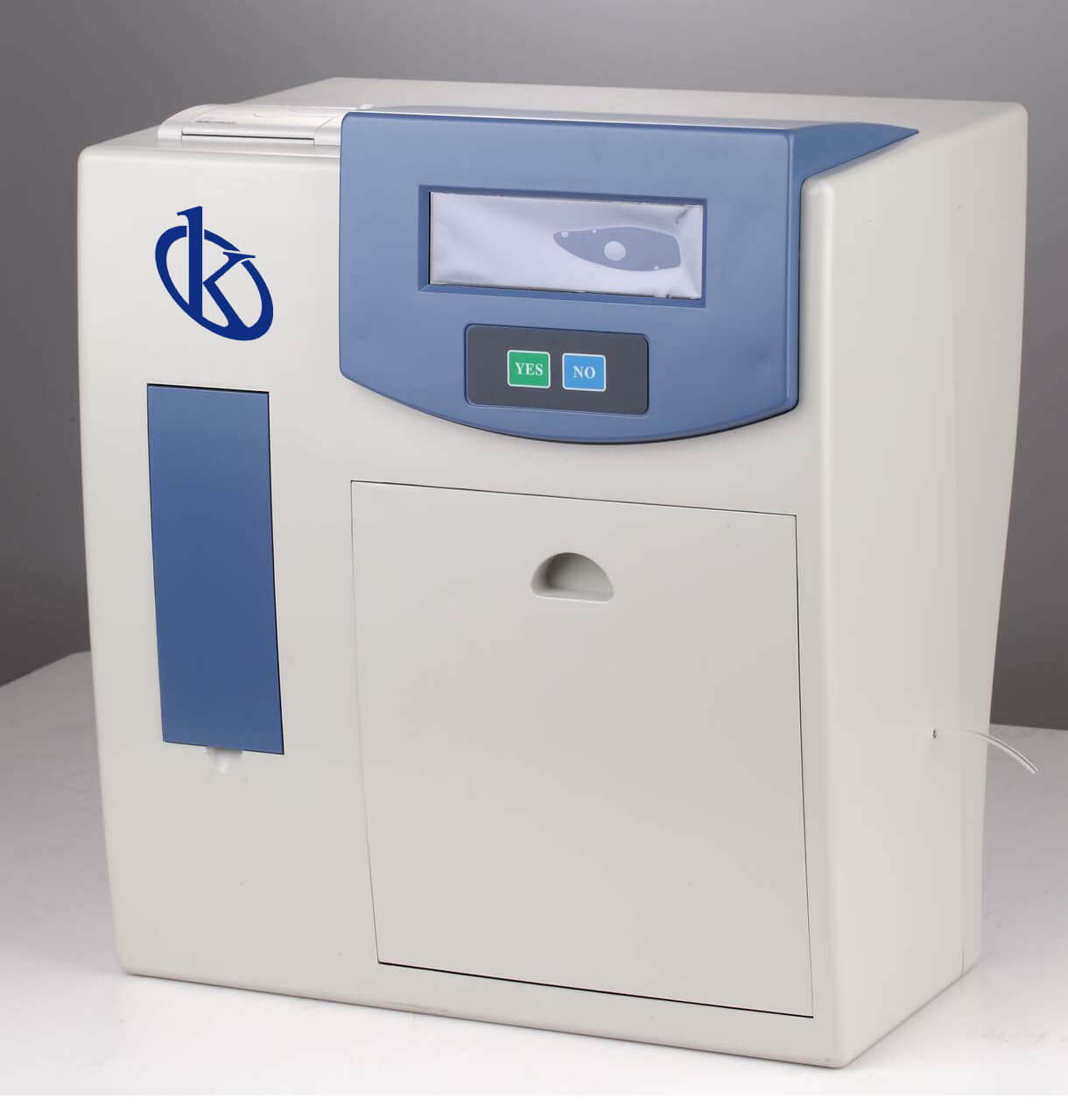
How Electrolyte Analyzers Enhance University Research Projects
In the realm of academic research, accurate and timely analysis is paramount. Electrolyte analyzers are critical instruments that enable researchers to measure electrolyte concentrations in various samples. These devices play a crucial role in understanding physiological processes, disease mechanisms, and biochemical pathways. This article explores how electrolyte analyzers contribute to university research projects, the various models available, and how to select the best analyzer for specific academic applications.
Importance of Electrolyte Analyzers in Academic Research
Electrolyte analyzers are essential for conducting various research projects in fields such as biochemistry, physiology, and medicine. They provide precise measurements of electrolytes like potassium, sodium, and calcium, which are critical for understanding cellular functions, metabolic pathways, and the body's homeostasis. Researchers can utilize these measurements to draw meaningful conclusions from their experiments, especially in studies related to hydration, muscle function, and cardiovascular health.
Comparison of Available Models
| Model | Key Features | Best For | Price (USD) |
|---|---|---|---|
| YR05169 | Automatic electrical potential correction, real-time diagnostics | Complex biochemical studies | 6797.50 |
| YR06391 | 7-inch color touchscreen, low operating costs | General clinical analyses | 1250.00 |
| YR06392 | User-friendly interface, optimal for various sample types | Multi-user university labs | 1450.00 |
| YR06393 | Fast measurement speed, versatile electrolyte panel | High-throughput environments | 1650.00 |
| YR06394 | Advanced ISE technology for accuracy | Detailed electrolyte studies | 1850.00 |
| YR06395 | High versatility with multiple measuring parameters | Complex clinical research | 2050.00 |
Common Mistakes and How to Avoid Them
When selecting an electrolyte analyzer for research purposes, it's essential to avoid several common pitfalls. One frequent mistake is underestimating the importance of compatibility with different sample types. Not all analyzers can handle various biological fluids such as serum, plasma, or urine effectively. Another error is neglecting to consider the total cost of ownership, including maintenance and consumables. For instance, while the YR06391 offers low operational costs, other models like the YR05169 may require a higher initial investment but provide advanced features. Always evaluate your research needs against the specifications of each model.
The Role of Electrolyte Analyzers in University Research Projects
University research projects often involve extensive data collection and analysis. Electrolyte analyzers contribute significantly by enabling researchers to gather accurate data quickly. For example, in studies focused on exercise physiology, measuring electrolyte levels before and after exercise can provide insights into hydration levels and recovery processes. Similarly, in clinical research investigating electrolyte imbalances due to certain diseases, accurate measurements are vital for drawing valid conclusions and developing treatment protocols.
Evaluating Research Scenarios for Electrolyte Analysis
Different research scenarios require different analytical capabilities. For instance, projects analyzing large sample sizes may benefit from a high-throughput analyzer like the YR06393, which can process samples rapidly with minimal downtime. Conversely, studies that demand precise and detailed electrolyte profiles may find the YR06394's advanced ISE technology advantageous. Understanding the specific requirements of your research will guide you in selecting the appropriate analyzer.
Integration of Electrolyte Analyzers in Laboratory Settings
Integrating electrolyte analyzers into existing laboratory workflows can enhance efficiency and productivity. For instance, using the YR05169, with its automatic diagnostic features, can help laboratories maintain high standards of accuracy and reliability in their analyses. Additionally, ensuring that the chosen analyzer can easily integrate with existing laboratory information management systems (LIMS) will streamline data management processes, improve traceability, and facilitate collaboration among researchers.
Future Trends in Electrolyte Analysis for Academic Research
As technology advances, the capabilities of electrolyte analyzers are expected to evolve significantly. Innovations such as miniaturization and enhanced user interfaces will make these devices more accessible for a broader range of applications. Furthermore, integration with artificial intelligence (AI) and machine learning algorithms could facilitate predictive analytics, allowing researchers to anticipate trends based on electrolyte levels in real-time. Staying informed about these trends will be vital for researchers aiming to leverage the latest technology in their projects.
Frequently Asked Questions
What are the key benefits of using electrolyte analyzers in university research?
Electrolyte analyzers like the YR06391 provide accurate and reliable measurements, which are crucial for research in biochemistry and physiology. Their user-friendly interfaces and low operating costs, combined with the ability to analyze various samples, make them valuable tools in academic settings.
How can an electrolyte analyzer assist in clinical research projects?
Electrolyte analyzers, such as the YR06395, facilitate the analysis of electrolyte imbalances, which is essential for clinical research related to hydration and disease management. Their capacity for rapid measurements supports timely decision-making in research scenarios.
Which electrolyte analyzer is best for a multi-user academic lab environment?
The YR06392 is highly suitable for multi-user environments due to its intuitive interface and versatility in handling different sample types, making it an ideal choice for diverse academic research projects.
What is the expected lifespan of an electrolyte analyzer used in research?
The lifespan of an electrolyte analyzer like the YR05169 typically exceeds five years with proper maintenance. Regular calibration and adherence to manufacturer guidelines can significantly extend its operational life.
How do electrolyte analyzers impact the accuracy of laboratory results?
Electrolyte analyzers, particularly models like the YR06394 with advanced ISE technology, enhance accuracy by minimizing human error and providing real-time diagnostics, ensuring reliability in experimental results.
What features should I look for in an electrolyte analyzer for academic use?
Key features to consider include measurement speed, sample compatibility, user interface, and operational costs. Models such as the YR06391 are designed for ease of use and cost-effectiveness, making them ideal for academic laboratories.
How often should electrolyte analyzers be calibrated in a research setting?
Calibration frequency depends on usage and manufacturer guidelines. For instance, daily calibration may be necessary for high-throughput models like the YR06393, while less frequent calibration may suffice for other models.
What are the cost implications of using an electrolyte analyzer in research?
While initial costs vary by model, such as the YR05169 at $6797.50, operational costs including consumables and maintenance play a crucial role in the overall investment. Understanding total cost implications helps in budget planning for research projects.
If you are looking for a fusion of innovation and quality, you have come to the right place. At Kalstein, we offer you the luxury of exploring our exclusive catalog of laboratory equipment. We manufacture every device to the highest standards of excellence. Our intuitive and seamless online purchasing channels are designed for your convenience, securing the most competitive prices. Hesitate no longer — we bring science to life, it is time to become part of our community.