Electrolyte Analyzers: Best Techniques and Protocols 2026
What is it used for in 2026
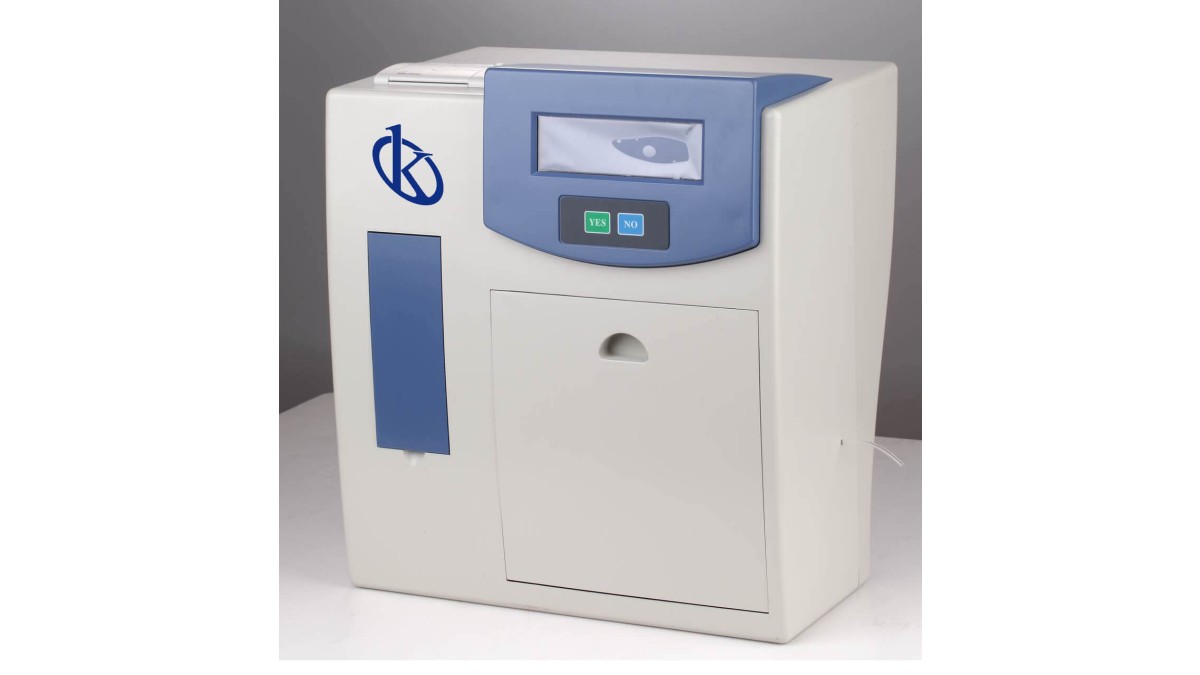
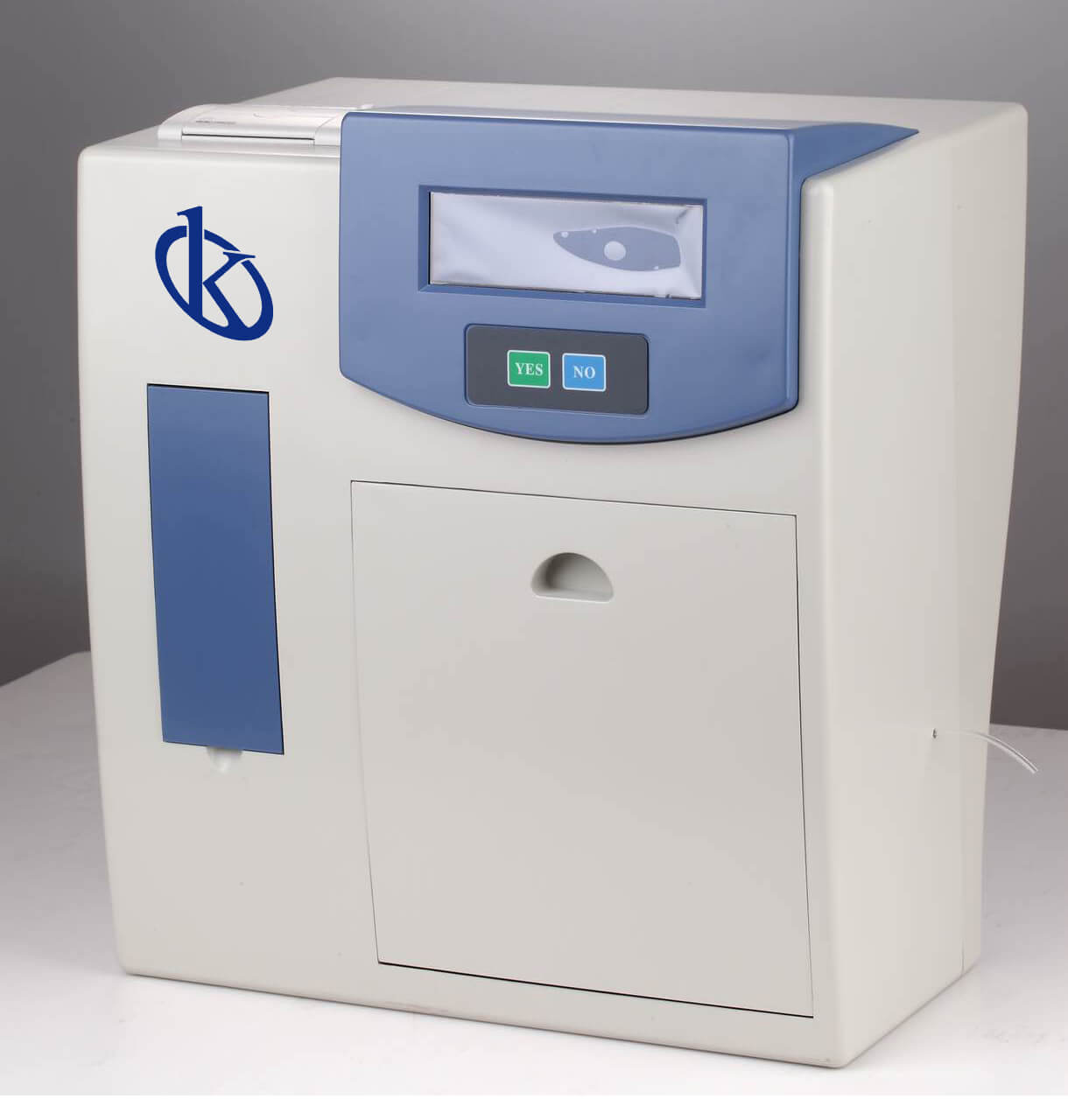
In 2026, Electrolyte Analyzers play a crucial role in clinical laboratories by accurately measuring electrolyte levels in biological samples. These analyzers are essential for diagnosing and monitoring various health conditions, including kidney disease, heart conditions, and electrolyte imbalances. They provide rapid results that aid in immediate clinical decision-making, enhancing patient care.
History and evolution of the technology
The evolution of electrolyte analyzers began in the mid-20th century when the demand for precise laboratory diagnostics surged. Early models relied on basic titration methods which were time-consuming and error-prone. With advancements in ion-selective electrode (ISE) technology, analyzers became more efficient and accurate. By 2026, modern Electrolyte Analyzers incorporate sophisticated software and automated systems that streamline the testing process, ensuring high reliability and throughput.
How to use it step by step
Using an Electrolyte Analyzer involves a series of clear steps to ensure accuracy:
- Preparation: Ensure the analyzer is calibrated and all necessary reagents are available.
- Sample collection: Collect biological samples (e.g., blood, urine) according to standard protocols.
- Loading samples: Load the samples into the analyzer, following the manufacturer's instructions.
- Initiating analysis: Start the analysis process, ensuring that all settings are appropriate for the sample type.
- Monitoring: Observe the analyzer’s diagnostics for any errors or alerts during the testing.
- Results interpretation: Once analysis is complete, interpret the results using clinical guidelines.
- Cleaning and shutdown: Clean the analyzer as per operational guidelines and properly shut it down.
Best techniques and protocols
Following best practices is essential for optimal performance of Electrolyte Analyzers:
- Regular calibration using standardized control solutions.
- Minimizing sample contamination by using sterile collection methods.
- Training staff to follow operational protocols strictly.
- Documenting all results and maintenance activities for compliance and quality assurance.
Practical applications by laboratory type
Electrolyte Analyzers find applications across various laboratory settings:
- Clinical laboratories: For routine electrolyte testing in patients.
- Emergency departments: Quick electrolyte assessments for critical cases.
- Research laboratories: For studies involving physiological and biochemical research.
- Dialysis centers: Monitoring patients’ electrolyte levels during treatment.
Regulations, standards and certifications
Electrolyte Analyzers must comply with strict regulations and standards, including:
- ISO 13485: Quality management systems for medical devices.
- CLIA: Clinical Laboratory Improvement Amendments for laboratory testing.
- CE marking: Compliance with European health, safety, and environmental protection standards.
Comparison with alternative technologies
Electrolyte Analyzers are often compared with alternative technologies such as:
- Immunoassays: Useful for specific biomarkers, but not as efficient for broad electrolyte profiling.
- Mass spectrometry: Highly accurate but more expensive and complex.
- Simple test strips: Convenient but less accurate and not suitable for all clinical scenarios.
Comparison of available models
| Model | Best for | Key specs | Recommended use case |
|---|---|---|---|
| YR05169 | High-throughput analysis | Weight: 8 kg, Dimensions: 38 x 27 x 40 cm, Price: $6797.50 | Laboratories with high demand for rapid results. |
| YR06391 | Cost-effective analysis | Dimensions: x x, Price: $1250.00 | Small clinics and outpatient settings. |
| YR06392 | Comprehensive testing | Dimensions: x x, Price: $1450.00 | General laboratories needing versatility. |
| YR06393 | Advanced diagnostics | Dimensions: x x, Price: $1650.00 | Specialized laboratories requiring detailed analysis. |
| YR06394 | Integrated solutions | Dimensions: x x, Price: $1850.00 | Institutions looking for comprehensive diagnostic tools. |
| YR06395 | High performance | Dimensions: x x, Price: $2050.00 | Advanced research settings with high precision needs. |
Common mistakes and how to avoid them
Common mistakes in using Electrolyte Analyzers include:
- Inadequate calibration — ensure regular calibration protocols are followed.
- Sample handling errors — maintain sterile and appropriate methods of collection.
- Ignoring troubleshooting messages — always monitor and respond to alerts from the machine.
Maintenance, calibration and good practices 2026
Maintaining Electrolyte Analyzers requires:
- Regular calibration with standard solutions to ensure accuracy.
- Routine cleaning of components to prevent contamination.
- Keeping software updated to benefit from the latest features and improvements.
Cost-benefit analysis 2026
When considering the investment in Electrolyte Analyzers, evaluate:
- Initial purchase costs against long-term savings from reduced errors and increased efficiency.
- The potential for improved patient outcomes through timely diagnostics.
- Operational costs including maintenance, calibration, and consumables.
Frequently asked questions
What are the key factors to consider when choosing an Electrolyte Analyzer?
Consider factors such as accuracy, speed of results, cost of consumables, ease of use, and support from the manufacturer.
How often should I calibrate my Electrolyte Analyzer?
Calibrate your analyzer at the start of each day and after every significant test run, or according to the manufacturer's guidelines.
What samples can be analyzed with Electrolyte Analyzers?
Most analyzers can handle serum, plasma, whole blood, and diluted urine samples effectively.
Are there specific maintenance practices I should follow?
Yes, regular cleaning, timely calibration, and software updates are essential for optimal performance.
How can I ensure the accuracy of my test results?
Ensure strict adherence to sample collection protocols, calibration procedures, and maintain optimal operating conditions of the analyzer.
What are the common troubleshooting steps if an error occurs?
Check for possible sample contamination, ensure calibration is up to date, and review the machine’s manual for specific error codes.
If you are looking for a fusion of innovation and quality, you have come to the right place. At Kalstein, we offer you the luxury of exploring our exclusive catalog of laboratory equipment. We manufacture every device to the highest standards of excellence. Our intuitive and seamless online purchasing channels are designed for your convenience, securing the most competitive prices. Hesitate no longer — we bring science to life, it is time to become part of our community.