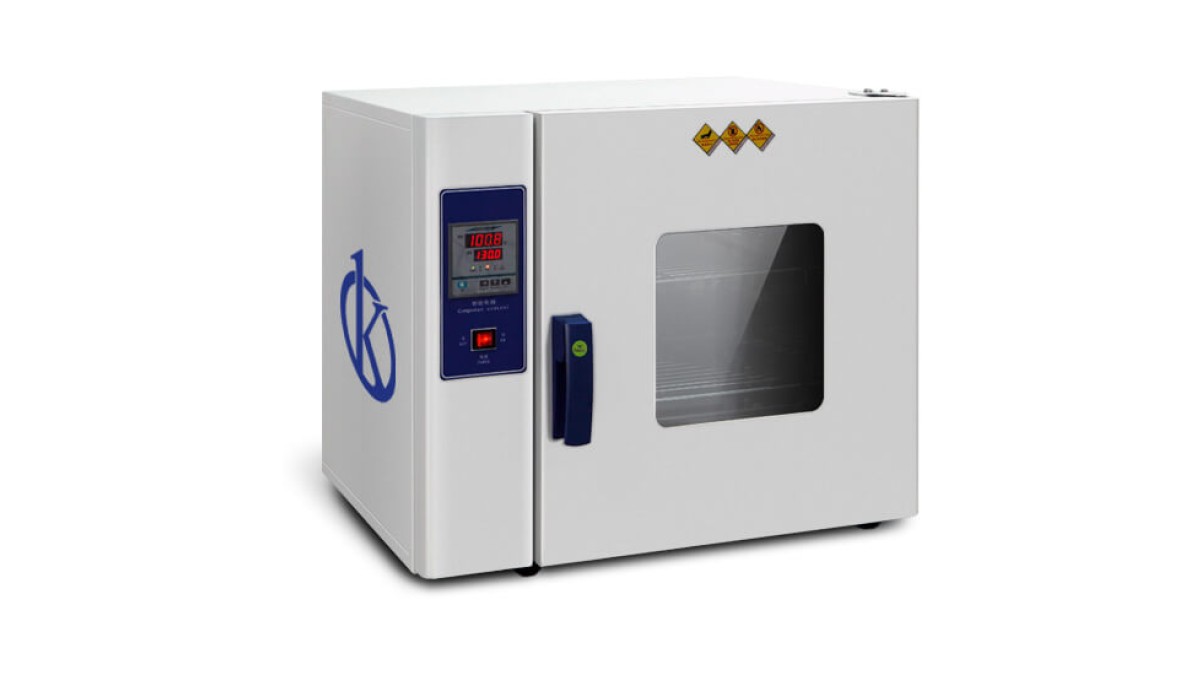
Drying Ovens: Best Techniques and Protocols in 2026
As the demand for precise and reliable laboratory results grows, understanding the application of drying ovens in various scientific fields becomes crucial. This article provides an in-depth look at the best practices, techniques, and applications of drying ovens in 2026.
What is it used for in 2026
In 2026, drying ovens are pivotal in laboratories for a variety of applications, including drying, sterilization, thermostatic storage, and heat treatment. These devices ensure that samples are treated under controlled conditions, enhancing the reliability of the results. Their applications extend to industries such as pharmaceuticals, food processing, material science, and environmental testing, where precise temperature control is essential.
History and evolution of the technology
The evolution of drying ovens dates back several decades, starting with basic heating mechanisms to the sophisticated models available today. Initially, drying processes relied on convection and radiant heat, but advancements in technology have introduced features such as PID temperature control, digital displays, and automated cycles. The integration of smart technology has significantly improved the efficiency and accuracy of drying ovens, making them indispensable in modern laboratories.
How to use it step by step
Using a drying oven effectively involves several steps:
- Preparation: Ensure that the oven is clean and free of any previous samples.
- Loading: Place your samples in the oven, ensuring they are spaced adequately to allow for air circulation.
- Setting Parameters: Adjust the temperature and timer based on the requirements of your samples, using the digital controls.
- Monitoring: Regularly check the oven’s display to monitor temperature stability and ensure no alarms are triggered.
- Completion: Once the process is complete, allow the oven to cool before opening the door to retrieve your samples.
Best techniques and protocols
To achieve optimal results with drying ovens in 2026, consider the following techniques:
- Always calibrate your drying oven before use to ensure accuracy.
- Utilize airflow control features for uniform drying of samples.
- Employ temperature logs to track performance and ensure consistency.
- Follow manufacturer protocols for specific materials to avoid damage or contamination.
Practical applications by laboratory type
Each laboratory type can leverage drying ovens in unique ways:
- Pharmaceuticals: Used for drying raw materials and finished products, ensuring sterility and compliance with health regulations.
- Food Testing: Employed for moisture content analysis, a critical parameter in food quality control.
- Environmental Labs: Essential for drying soil samples and other materials for accurate pollutant analysis.
Regulations, standards and certifications
Laboratories must adhere to strict regulations and standards when using drying ovens. Compliance with ISO, ASTM, and GLP guidelines is essential to ensure quality control and reliability of results. Regular audits and certifications validate the functionality and safety of drying ovens in laboratory environments.
Comparison with alternative technologies
While drying ovens are effective, other technologies like vacuum dryers and microwave ovens can also be used for drying purposes. Vacuum dryers are more suitable for heat-sensitive materials as they reduce the boiling point of solvents, while microwave ovens can provide rapid drying but may not be suitable for all sample types. Each technology has its pros and cons, making it essential to choose based on the specific laboratory needs.
Comparison of available models
| Model | Best for | Key specs | Recommended use case |
|---|---|---|---|
| YR05244 | High uniformity temperature requirements | Temperature Range: RT+5~250℃; Precision: ±0.1℃ | Best for laboratory drying and sterilization tasks. |
| YR05245 | Advanced research applications | Temperature Range: RT+5~250℃; Precision: ±0.1℃ | Ideal for complex experiments necessitating precise conditions. |
| YR05246 | Versatile laboratory processes | Temperature Range: RT+5~250℃; Precision: ±0.1℃ | Great for a range of applications including drying and sterilization. |
| YR05247 | Heavy-duty applications | Temperature Range: RT+5~250℃; Precision: ±0.1℃ | Suitable for high-volume drying needs. |
| YR05248-A | Routine laboratory use | Temperature Range: RT+5~250℃; Precision: ±1℃ | Recommended for general laboratory drying tasks. |
| YR05249-A | Cost-effective drying solutions | Temperature Range: RT+5~250℃; Precision: ±1℃ | Perfect for small labs looking for reliable performance. |
Common mistakes and how to avoid them
Common mistakes when using drying ovens include overloading the oven, which can lead to uneven drying, and failing to regularly calibrate the temperature settings. Users should ensure proper spacing of samples for optimal air circulation and monitor the drying process closely to avoid overheating.
Maintenance, calibration and good practices 2026
Regular maintenance is crucial for the longevity and performance of drying ovens. This includes routine cleaning, calibration checks, and monitoring of electrical components. Following best practices such as maintaining a consistent operating environment and not exceeding weight limits will also contribute to optimal performance.
Cost-benefit analysis 2026
Investing in drying ovens can significantly enhance laboratory efficiency and accuracy. The cost of purchasing and maintaining drying ovens must be weighed against the benefits they provide in terms of time savings and improved data quality. The long-term advantages often justify the initial investment, especially in high-demand laboratories.
Frequently asked questions
What should I consider when choosing a drying oven?
When selecting a drying oven, consider factors such as temperature range, capacity, energy efficiency, and specific features like PID control and digital displays for better accuracy.
How do I ensure accurate temperature readings?
Regular calibration of the drying oven is essential. Use a certified thermometer to cross-check readings, ensuring the oven operates within the specified temperature range.
Can I dry different materials in the same oven?
While it's possible, it's recommended to avoid mixing different materials to prevent contamination or chemical reactions. Always follow safety guidelines for specific materials.
How do I maintain my drying oven?
Regular maintenance includes cleaning the interior, checking seals for wear, and scheduling calibration checks to ensure consistent performance.
What are the safety precautions for using a drying oven?
Always ensure proper ventilation, avoid overloading the oven, and monitor temperature settings closely to prevent overheating and potential hazards.
Is it possible to automate drying processes?
Yes, many modern drying ovens come with automation features that allow for programming drying cycles, which can improve efficiency and reduce human error.
If you are looking for a fusion of innovation and quality, you have come to the right place. At Kalstein, we offer you the luxury of exploring our exclusive catalog of laboratory equipment. We manufacture every device to the highest standards of excellence. Our intuitive and seamless online purchasing channels are designed for your convenience, securing the most competitive prices. Hesitate no longer — we bring science to life, it is time to become part of our community.