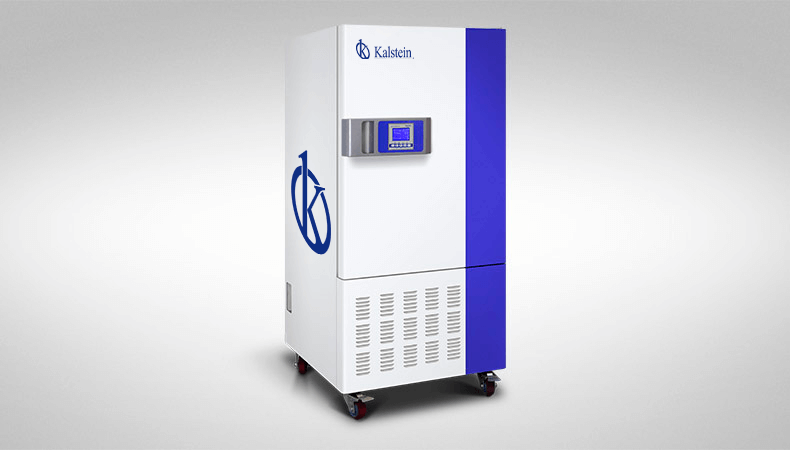
Drug Stability Test Chambers: Practical Applications and Techniques 2026
In the world of pharmaceuticals, ensuring the stability of drugs is paramount. Drug stability test chambers play a crucial role in this process, providing controlled environments to assess how different factors can affect drug formulations over time. In this article, we will delve into the practical applications, techniques, and best practices for utilizing drug stability test chambers in laboratory settings in 2026.
What is it used for in 2026
In 2026, drug stability test chambers are primarily used in the pharmaceutical industry to ensure the integrity and efficacy of drug products. These chambers create an environment that mimics various temperature and humidity conditions, allowing researchers to evaluate how these factors influence the stability of medications. This controlled testing helps in determining the shelf life of products and supports compliance with regulatory standards.
History and evolution of the technology
The technology behind drug stability testing has evolved significantly over the years. Initially, stability testing was conducted using rudimentary methods with limited environmental control. However, advancements in technology led to the development of sophisticated drug stability test chambers that offer precise climate control, improved data acquisition, and enhanced automation features. These innovations have transformed the way laboratories conduct stability studies, making the process more efficient and reliable.
How to use it step by step
Using a drug stability test chamber involves several steps to ensure accurate and reliable results:
- Prepare Samples: Select the drug formulations to be tested and prepare them according to the specific protocols.
- Set Parameters: Program the chamber for the desired temperature and humidity levels based on the study requirements.
- Load Samples: Place the samples in the chamber, ensuring adequate spacing for air circulation.
- Monitor Conditions: Continuously monitor the internal conditions to ensure they remain stable throughout the testing period.
- Data Collection: At specified intervals, collect samples for analysis and record the data accurately.
- Analyze Results: Evaluate the stability data to determine the impact of environmental factors on the drug formulations.
Best techniques and protocols
Implementing best techniques and protocols is essential for reliable stability testing:
- Utilize validated methods for sample preparation and analysis to ensure consistency.
- Follow ICH guidelines for stability testing to align with international standards.
- Employ real-time monitoring systems for ongoing data collection and analysis.
- Ensure regular calibration of the chambers to maintain accuracy in temperature and humidity control.
Practical applications by laboratory type
Different laboratories may utilize drug stability test chambers for various applications:
- Pharmaceutical Laboratories: Used for testing the stability of active pharmaceutical ingredients (APIs) and finished products.
- Biotechnology Labs: Essential for assessing the stability of biologics and biosimilars under varied environmental conditions.
- Food Industry: Employed to test the stability of food additives and supplements, ensuring safety and efficacy.
Regulations, standards and certifications
Adhering to regulations and standards is critical in drug stability testing:
- Follow guidelines set by organizations such as the FDA and EMA.
- Comply with ICH Q1A guidelines on stability testing for new drug substances and products.
- Ensure that chambers are certified according to ISO standards for quality management.
Comparison with alternative technologies
While drug stability test chambers are the gold standard for stability testing, alternative technologies exist:
- Accelerated Stability Testing: Offers quicker results but may not provide as accurate predictions for long-term stability.
- Environmental Chambers: Can be used for other types of testing but may lack the specific controls needed for drug stability assessment.
Comparison of available models
| Model | Best for | Key specs | Recommended use case |
|---|---|---|---|
| YR05350 | Stability testing of pharmaceuticals and biotechnological products | Temperature range: 0~60°C, Humidity range: 50~90% HR | Ideal for routine stability studies in a controlled setting |
| YR05351 | Comprehensive stability testing across various industries | Temperature accuracy: 0.1°C, Humidity fluctuation: ±3% HR | Recommended for rigorous testing protocols in pharmaceuticals |
| YR05352 | Meeting high standards for drug stability assessments | Uniformity: ±1°C, Recommended temperature range: 0~60°C | Best suited for laboratories focusing on quality control |
Common mistakes and how to avoid them
To ensure effective stability testing, avoid these common mistakes:
- Inadequate Sample Preparation: Always follow standardized protocols for preparing samples to prevent variability.
- Ignoring Calibration: Regularly calibrate the chamber to ensure accurate temperature and humidity readings.
- Failing to Document: Maintain detailed records of all testing procedures and results for regulatory compliance.
Maintenance, calibration and good practices 2026
Proper maintenance and calibration are essential for optimal performance:
- Schedule regular maintenance checks for all mechanical components.
- Ensure that temperature and humidity sensors are calibrated at least bi-annually.
- Follow manufacturers' guidelines for cleaning and upkeep of the chambers.
Cost-benefit analysis 2026
Investing in drug stability test chambers offers significant benefits:
- Accurate stability data leads to better product quality and longer shelf life, reducing waste.
- Compliance with regulations helps avoid costly fines and enhances product reputation.
- Streamlined workflows improve laboratory efficiency, ultimately saving costs in the long run.
Frequently asked questions
What should I consider when choosing a drug stability test chamber?
Consider factors such as the required temperature and humidity ranges, the chamber's capacity, and the types of samples you will be testing. Additionally, evaluate the chamber's features like data logging capabilities and ease of use.
How often should I calibrate my drug stability test chamber?
It is recommended to calibrate your chamber at least twice a year to ensure accuracy. However, more frequent calibration may be necessary based on usage and specific regulatory requirements.
Can I use a drug stability test chamber for other types of testing?
While primarily designed for drug stability testing, these chambers can also be utilized for testing other products that require controlled environmental conditions, such as food and cosmetics.
What are the key regulatory standards for drug stability testing?
Key regulatory standards include ICH Q1A and Q1B guidelines, which outline the stability testing requirements for pharmaceuticals. Compliance with these guidelines is critical for product approval.
How do I maintain my drug stability test chamber?
Regular maintenance includes cleaning the interior, checking seals and gaskets for wear, and ensuring that sensors are calibrated correctly. Following the manufacturer's guidelines will help maintain optimal performance.
What are the best practices for data recording during stability tests?
Implement a systematic approach to data recording, ensuring that all observations are documented clearly and accurately. Use electronic logging systems if available, as they can reduce errors and improve data integrity.
How can I get a quote for drug stability test chambers?
To receive a quote, please reach out to our sales team for personalized assistance tailored to your laboratory’s needs.
If you are looking for a fusion of innovation and quality, you have come to the right place. At Kalstein, we offer you the luxury of exploring our exclusive catalog of laboratory equipment. We manufacture every device to the highest standards of excellence. Our intuitive and seamless online purchasing channels are designed for your convenience, securing the most competitive prices. Hesitate no longer — we bring science to life, it is time to become part of our community.