Digital Salinity Refractometers: Best Techniques and Protocols 2026
What is it used for in 2026
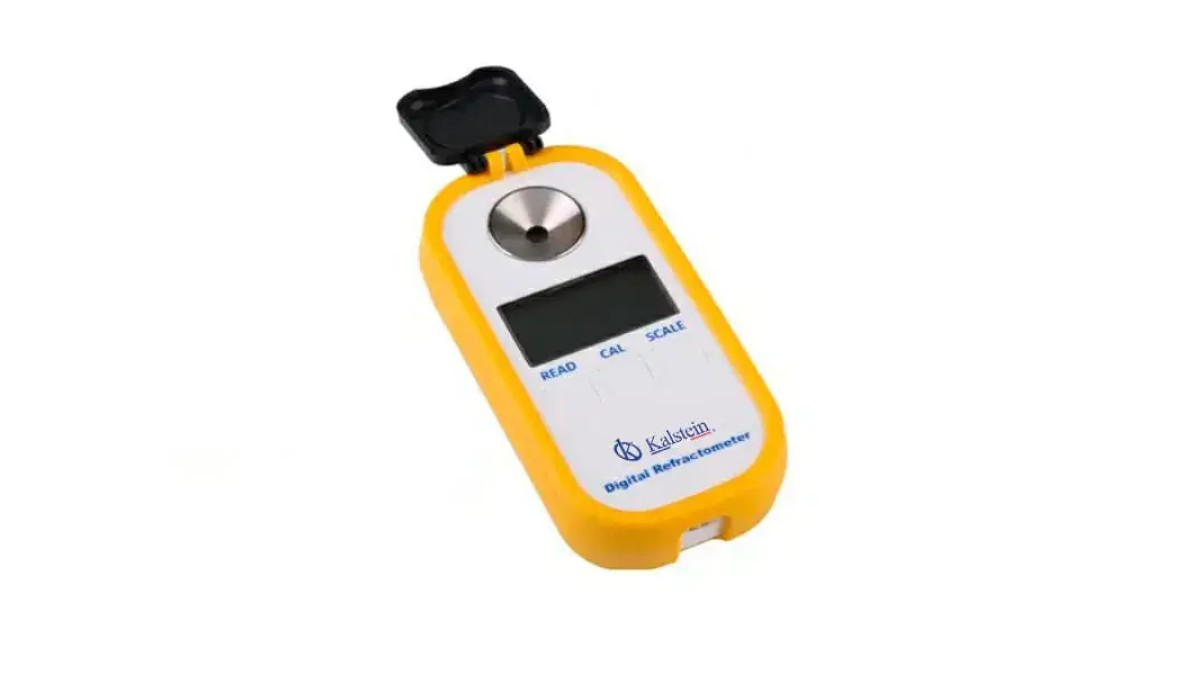
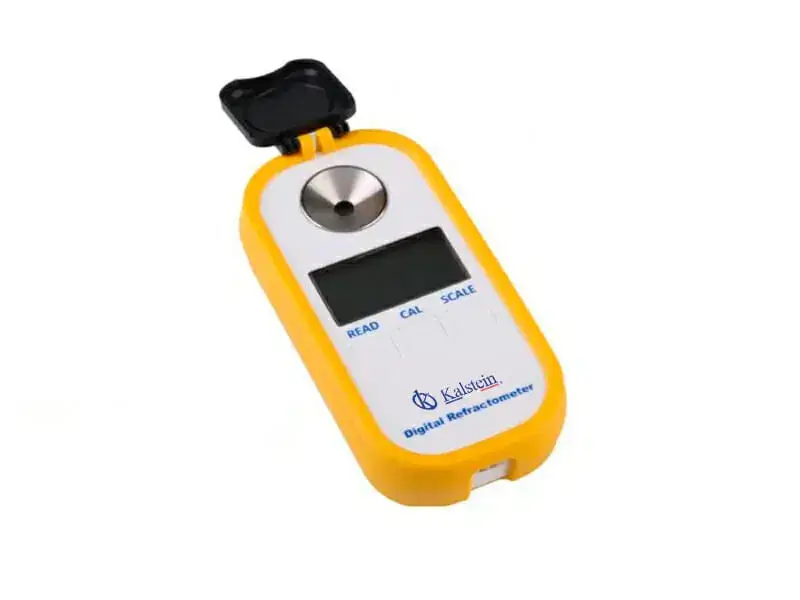
Digital Salinity Refractometers are essential tools in laboratories for measuring the salinity of various solutions, including seawater and sodium chloride solutions. In 2026, these devices are used extensively in marine biology, environmental studies, and food industry applications. Their accuracy and ease of use make them indispensable for professionals who need precise salinity readings for their research and testing protocols.
History and evolution of the technology
The technology behind Digital Salinity Refractometers has evolved significantly since its inception. Initially, refractometers were manual devices that required careful calibration and interpretation. The introduction of digital technology in the early 2000s revolutionized the field, allowing for quicker and more accurate readings. By 2026, advancements in automatic temperature compensation (ATC) have made digital refractometers more user-friendly, eliminating the need for manual corrections.
How to use it step by step
Using a Digital Salinity Refractometer involves a few straightforward steps:
- Prepare the sample: Ensure that the solution to be measured is at the appropriate temperature (ideally 20°C).
- Place a drop: Use a pipette to place one drop of the solution on the primary prism of the refractometer.
- Close the cover: Gently close the cover to ensure that the sample is evenly spread across the prism surface.
- Read the measurement: Look through the eyepiece or read the digital display to obtain the salinity value.
- Clean the device: After use, clean the prism and cover with distilled water to prevent contamination.
Best techniques and protocols
To ensure accurate results when using Digital Salinity Refractometers, consider the following techniques:
- Always calibrate the device with distilled water before measuring salinity.
- Ensure that the sample is free from bubbles, as they can affect the accuracy of the measurement.
- Allow the refractometer to stabilize at room temperature before use to account for any temperature differences.
- Regularly clean the prism to avoid residue buildup that can interfere with readings.
- Follow the manufacturer's guidelines for maintenance and calibration.
Practical applications by laboratory type
Digital Salinity Refractometers find applications in various laboratory settings:
- Marine Biology: Used for measuring salinity levels in aquatic environments.
- Food Industry: Important for quality control in seafood processing and brine solutions.
- Environmental Science: Helps in assessing the salinity of soil and water samples.
- Aquaculture: Critical for monitoring salinity levels in fish farming.
Regulations, standards and certifications
In 2026, Digital Salinity Refractometers must comply with various international standards, including ISO 9001 for quality management systems and ISO/IEC 17025 for testing and calibration laboratories. Adhering to these regulations ensures that the devices produce reliable and accurate results essential for scientific research and commercial applications.
Comparison with alternative technologies
While Digital Salinity Refractometers are widely used, other technologies are also available for measuring salinity:
- Conductivity Meters: Measure the electrical conductivity of a solution, indirectly indicating salinity.
- Optical Sensors: Use light absorption properties to determine salinity levels, often used in real-time monitoring.
- Hydrometers: A traditional method requiring manual interpretation, less precise than digital refractometers.
Comparison of available models
| Model | Best for | Key specs | Recommended use case |
|---|---|---|---|
| YR05953 | Salinity measurement of up to 28.0% | 0.0--28.0%, ±0.1% accuracy | Perfect for saltwater aquariums and general salinity testing. |
| YR05954 | High salinity measurements | 0--280‰, ±1‰ accuracy | Ideal for marine biology and environmental studies. |
| YR05955 | Density measurements | 1.000-1.217, ±0.002 accuracy | Useful in food industry applications. |
| YR05956 | Refractive index measurement | 1.3330--1.3900 nD, ±0.0003 accuracy | Best for laboratories requiring precise refractive index data. |
| YR05957 | Salinity up to 100‰ | 0—100‰, ±2‰ accuracy | Recommended for environmental monitoring. |
| YR05958 | Clinicity measurement | 0--57‰, ±2‰ accuracy | Used in clinical applications involving salinity. |
| YR05959 | Low density measurements | 1.000-1.070, ±0.002 accuracy | Ideal for specific food industry needs. |
| YR05960 | Precise refractive index measurements | 1.3330--1.3530 nD, ±0.0003 accuracy | Excellent for research laboratories. |
Common mistakes and how to avoid them
To ensure accurate readings, avoid these common mistakes:
- Failing to calibrate the device before use, leading to inaccurate results.
- Using contaminated samples, which can skew measurements.
- Not allowing the refractometer to stabilize to room temperature before taking measurements.
- Neglecting regular maintenance and cleaning of the device.
Maintenance, calibration and good practices 2026
Regular maintenance is crucial for reliability:
- Calibrate the refractometer at least once a month or before critical measurements.
- Clean the prism with distilled water after each use and avoid touching it with fingers.
- Store the device in a protective case to prevent damage.
- Check battery levels regularly to ensure proper functioning of digital components.
Cost-benefit analysis 2026
Investing in a Digital Salinity Refractometer can provide significant benefits in terms of accuracy, reliability, and time savings compared to manual methods. Although initial costs may be higher, the precision and reduced labor time often lead to a favorable cost-benefit ratio over time. For laboratories performing frequent salinity measurements, these devices can enhance productivity and improve the quality of results.
Frequently asked questions
What is the main advantage of using a Digital Salinity Refractometer over a manual one?
The primary advantage of using a Digital Salinity Refractometer is the speed and accuracy of readings. Digital models often feature automatic temperature compensation, which eliminates the need for manual adjustment, resulting in reliable measurements.
How do I calibrate my Digital Salinity Refractometer?
Calibrating your refractometer typically involves using distilled water. Place a drop of distilled water on the prism, close the lid, and adjust the reading to zero. Repeat this process as necessary to confirm accuracy.
Can I use my refractometer for other solutions besides saltwater?
Yes, many Digital Salinity Refractometers can measure a variety of solutions. However, it is essential to check the specifications to ensure the device is suitable for the specific range and type of solution you are testing.
How often should I clean my Digital Salinity Refractometer?
You should clean your refractometer after every use. This helps maintain accuracy and prevents contamination between different samples.
Are there any specific storage requirements for Digital Salinity Refractometers?
Store your device in a dry, dust-free environment, ideally in a protective case. Avoid extreme temperatures and humidity, as these can affect the performance of the device.
What is the expected lifespan of a Digital Salinity Refractometer?
With proper care and maintenance, a Digital Salinity Refractometer can last many years, often exceeding a decade. Regular calibration and cleaning play a significant role in extending its lifespan.
If you are looking for a fusion of innovation and quality, you have come to the right place. At Kalstein, we offer you the luxury of exploring our exclusive catalog of laboratory equipment. We manufacture every device to the highest standards of excellence. Our intuitive and seamless online purchasing channels are designed for your convenience, securing the most competitive prices. Hesitate no longer — we bring science to life, it is time to become part of our community.