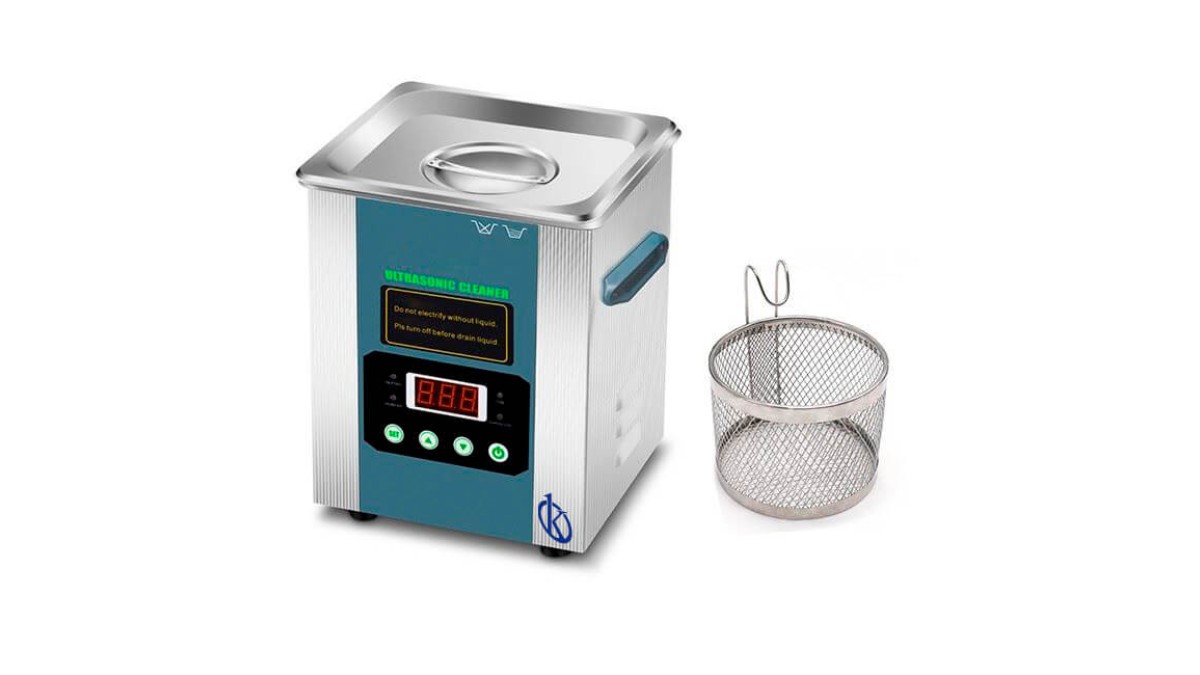
Digital Display Ultrasonic Cleanser: A Practical Step-by-Step Guide for 2026
What is it used for in 2026
In 2026, Digital Display Ultrasonic Cleansers are widely used in various laboratory and industrial settings for cleaning intricate instruments and components. These devices utilize ultrasonic waves to create high-frequency vibrations that effectively remove contaminants from surfaces, making them essential for maintaining cleanliness in sensitive environments. Common applications include cleaning jewelry, precision parts in electronics, medical instruments, automotive components, and optical devices. The technology ensures thorough cleaning while safeguarding the integrity of delicate items.
History and evolution of the technology
The technology behind ultrasonic cleaning dates back to the 1950s when it was first employed in industrial applications. Over the decades, advancements in ultrasonic technology have led to the development of more efficient and user-friendly devices. The introduction of digital displays and automated controls in the 2000s enhanced usability and accuracy, allowing users to set precise cleaning times and temperatures. Today, Digital Display Ultrasonic Cleansers represent the culmination of decades of innovation, providing effective cleaning solutions across diverse fields.
How to use it step by step
Using Digital Display Ultrasonic Cleansers involves several straightforward steps:
- Preparation: Gather items to be cleaned and ensure they are compatible with ultrasonic cleaning.
- Fill the tank: Pour the recommended cleaning solution into the ultrasonic cleaner tank, ensuring it covers the items fully.
- Set parameters: Use the digital display to select the desired cleaning time and temperature based on the material of the items.
- Start cleaning: Activate the device and monitor the cleaning process. The ultrasonic waves will penetrate and remove dirt and contaminants.
- Rinse items: After cleaning, rinse the items with clean water to remove any remaining cleaning solution.
- Drying: Allow the items to dry completely before storage or use.
Best techniques and protocols
To maximize the effectiveness of ultrasonic cleaning, follow these best practices:
- Select the right cleaning solution: Use a solution specifically designed for ultrasonic cleaning to enhance effectiveness.
- Pre-clean items: For heavily soiled items, consider pre-cleaning with a soft brush or cloth to remove larger debris.
- Optimize cleaning time: Adjust the cleaning time according to the level of contamination; longer times may be necessary for tough residues.
- Maintain proper temperature: Higher temperatures can enhance cleaning efficiency, but ensure compatibility with the items being cleaned.
- Regular maintenance: Keep the ultrasonic cleaner in good condition by cleaning the tank regularly and checking for operational efficiency.
Practical applications by laboratory type
Digital Display Ultrasonic Cleansers find applications across various laboratory types:
- Medical Laboratories: For cleaning surgical instruments and tools, ensuring sterilization and safety.
- Jewelry and Watch Repair: Effective for cleaning intricate jewelry pieces and mechanical watches without damage.
- Optical Laboratories: Used for cleaning lenses and optical components to maintain clarity and performance.
- Automotive Repair Shops: Cleans engine parts and carburetors, removing oil and grime efficiently.
- Electronics Manufacturing: Cleans circuit boards and components, preventing contamination that could affect performance.
Regulations, standards and certifications
In 2026, adherence to regulations and certifications is crucial for the safe and effective operation of ultrasonic cleaners. Key standards include:
- ISO 9001: Quality management systems ensuring consistent quality and safety.
- CE Certification: Compliance with European health, safety, and environmental protection standards.
- FCC Compliance: Ensuring that electronic devices do not cause harmful interference in communication.
- RoHS Compliance: Restricting the use of certain hazardous substances in electronic and electrical equipment.
Comparison with alternative technologies
When comparing Digital Display Ultrasonic Cleansers to alternative cleaning technologies, several factors come into play, including efficiency, effectiveness, and application:
- Manual Cleaning: Often labor-intensive and less effective for intricate items; ultrasonic cleaning offers deeper penetration and thoroughness.
- Steam Cleaning: Useful for certain applications but may not be suitable for all materials, while ultrasonic cleaners provide versatility across different item types.
- Commercial Dishwashers: Designed for bulk cleaning of dishes, they lack the precision required for delicate instruments found in laboratories.
Comparison of available models
| Model | Best for | Key specs | Recommended use case |
|---|---|---|---|
| YR05208 | Jewelry cleaning | 2L capacity, 40KHz frequency, 70W power | Ideal for home use and small workshops. |
| YR05209 | Multi-purpose cleaning | 2L capacity, 40KHz frequency, 70W power | Great for household and light industrial applications. |
| YR05212 | Heated cleaning | 4.5L capacity, 40KHz frequency, 180W power | Suitable for laboratories requiring efficient cleaning of larger items. |
| YR05213 | Heated cleaning | 6.8L capacity, 40KHz frequency, 180W power | Best for cleaning multiple items simultaneously. |
| YR05214 | High-capacity cleaning | 11L capacity, 40KHz frequency, 240W power | Designed for heavy-duty cleaning tasks. |
| YR05215 | High-capacity cleaning | 15L capacity, 40KHz frequency, 360W power | Perfect for large workshops and industrial applications. |
Common mistakes and how to avoid them
To ensure effective use of Digital Display Ultrasonic Cleansers, avoid these common mistakes:
- Overloading the tank: Filling the tank beyond capacity can hinder cleaning efficiency. Always follow the manufacturer's guidelines.
- Using improper cleaning solutions: Not all chemicals are safe for ultrasonic cleaners. Always use recommended solutions to avoid damage.
- Skipping maintenance: Neglecting regular cleaning and maintenance of the device can lead to decreased performance and longevity.
Maintenance, calibration and good practices 2026
Proper maintenance of Digital Display Ultrasonic Cleansers includes:
- Regular cleaning: Remove residue from the tank after each use and clean with a soft cloth.
- Calibration: Periodically check the ultrasonic frequency and power output for optimal performance.
- Inspect components: Regularly check for wear and tear on transducers and heating elements, replacing them as necessary.
Cost-benefit analysis 2026
Conducting a cost-benefit analysis for Digital Display Ultrasonic Cleansers in 2026 involves evaluating initial purchase costs against long-term savings from improved efficiency and reduced labor:
- Initial Investment: While the upfront cost may seem high, the time saved in cleaning processes can justify the expense.
- Operational Savings: Reduced labor costs and decreased cleaning solution usage contribute to long-term savings.
- Improved Quality: Enhanced cleaning leads to better maintenance of equipment and instruments, potentially extending their lifespan.
Frequently asked questions
How do I choose the right ultrasonic cleaner for my needs?
Consider factors such as tank size, frequency, and power. Assess the types of items you will clean and select a model that meets those specific requirements.
Can I clean all types of jewelry with an ultrasonic cleaner?
Not all jewelry is suitable for ultrasonic cleaning. Avoid cleaning pieces with soft stones or delicate settings that may get damaged by ultrasonic waves.
What cleaning solutions can I use with my ultrasonic cleaner?
Use solutions specifically designed for ultrasonic cleaning. These can enhance cleaning efficiency and protect your items from damage.
How often should I perform maintenance on my ultrasonic cleaner?
Regular maintenance should be performed after each use, with a more thorough inspection on a monthly basis to ensure optimal performance.
Is it safe to use an ultrasonic cleaner for delicate electronic components?
While ultrasonic cleaning can be effective for certain electronic components, ensure the items are rated for ultrasonic cleaning and avoid exposure to moisture-sensitive parts.
Can I use tap water in my ultrasonic cleaner?
Using distilled water is recommended over tap water, as tap water may contain minerals that can leave residues or cause damage.
How can I maximize cleaning efficiency with my ultrasonic cleaner?
Optimize cleaning time and temperature according to the items being cleaned, and use the correct cleaning solution tailored to specific materials.
If you are looking for a fusion of innovation and quality, you have come to the right place. At Kalstein, we offer you the luxury of exploring our exclusive catalog of laboratory equipment. We manufacture every device to the highest standards of excellence. Our intuitive and seamless online purchasing channels are designed for your convenience, securing the most competitive prices. Hesitate no longer — we bring science to life, it is time to become part of our community.