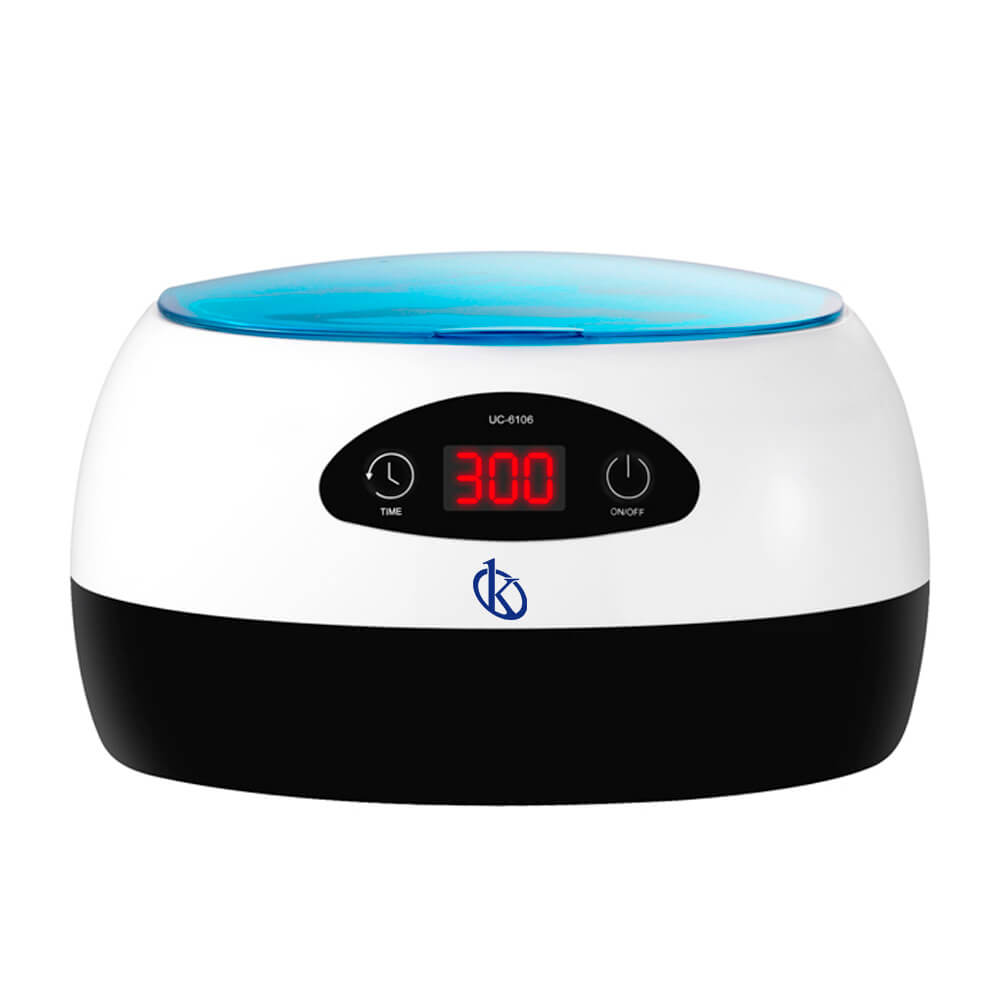
Digital Desktop Ultrasonic Cleaners: Practical Applications in 2026
What is it used for in 2026
Digital Desktop Ultrasonic Cleaners are essential tools in various laboratory and clinical environments. They utilize ultrasonic waves to clean objects by creating high-frequency sound waves that generate millions of microscopic bubbles in a cleaning solution. These bubbles implode against surfaces, effectively removing dirt, grease, and contaminants. In 2026, their applications span across multiple sectors, including dental clinics, jewelry cleaning, electronics maintenance, and general laboratory cleaning.
History and evolution of the technology
The technology behind ultrasonic cleaning dates back to the 1950s when it was first utilized for industrial cleaning applications. Over the years, advancements in ultrasonic cleaning technology have led to the development of compact and efficient digital desktop models. These modern units are designed for specific applications, offering features such as adjustable frequency and cleaning cycles, allowing for more precise cleaning tailored to different objects.
How to use it step by step
Using a Digital Desktop Ultrasonic Cleaner involves the following steps:
- Prepare the Cleaning Solution: Select an appropriate cleaning solution based on the items to be cleaned.
- Fill the Tank: Pour the cleaning solution into the tank up to the recommended level.
- Load Items: Place the items in the cleaning basket to prevent them from touching the tank bottom.
- Set the Time and Temperature: Adjust the settings on the digital control panel according to the items’ cleaning requirements.
- Start the Cleaner: Turn on the unit and allow it to run for the set duration.
- Rinse and Dry: Once the cycle is complete, remove the items, rinse them with clean water, and dry them thoroughly.
Best techniques and protocols
For optimal cleaning results, consider the following techniques:
- Utilize specific cleaning solutions tailored for different materials, such as plastics, metals, or glass.
- Pre-soak heavily soiled items to loosen grime before ultrasonic cleaning.
- Adjust the frequency settings according to the delicacy of the items — lower frequencies for heavy-duty cleaning and higher frequencies for delicate items.
- Use a basket or tray to prevent items from directly contacting the tank.
Practical applications by laboratory type
Different laboratory types utilize digital desktop ultrasonic cleaners for distinct purposes:
- Dental Laboratories: For cleaning dental instruments and molds, ensuring hygiene and precision before use.
- Jewelry Stores: To effectively clean delicate jewelry pieces without damaging them.
- Electronics Repair Shops: For cleaning circuit boards and electronic components without physical contact.
- Medical Laboratories: For sterilizing equipment and ensuring accurate results in tests and analyses.
Regulations, standards and certifications
When using ultrasonic cleaners in laboratories, compliance with standards such as ISO 13485 for medical devices and OSHA regulations for workplace safety is critical. Regular audits and maintenance checks should be performed to ensure that the equipment meets all necessary certifications.
Comparison with alternative technologies
Compared to alternative cleaning methods, such as manual scrubbing or chemical baths, ultrasonic cleaners offer several advantages:
- More thorough cleaning with less physical effort.
- Reduction of chemical usage, promoting a safer work environment.
- Ability to clean intricate parts and hard-to-reach areas.
Comparison of available models
| Model | Best for | Key specs | Recommended use case |
|---|---|---|---|
| YR05231 | Jewelry cleaning | 750 ml capacity, 50W, 42KHz | Personal jewelry and small items cleaning |
| YR05232 | Jewelry and delicate items | 1400 ml capacity, 60W, 40KHz | Professional jewelry cleaning |
| YR05229 | Lens and delicate item cleaning | 0.6 L capacity, 50W, 42KHz | Cleaning camera lenses and other small gadgets |
| YR05230 | Dental and jewelry cleaning | 2.5 L capacity, 60W, 42KHz | Cleaning dental instruments and larger items |
Common mistakes and how to avoid them
Here are some common mistakes users make with ultrasonic cleaners and how to avoid them:
- Overloading the tank: Only place items that can fit comfortably without crowding.
- Using the wrong cleaning solution: Always choose a solution suitable for the items being cleaned to prevent damage.
- Neglecting maintenance: Regularly clean the tank and replace the cleaning solution to ensure efficiency.
Maintenance, calibration and good practices 2026
For optimal performance, follow these maintenance tips:
- Regularly check for any signs of wear or damage to the unit.
- Calibrate the ultrasonic cleaner according to the manufacturer's instructions.
- Perform routine cleaning of the tank and internal components to avoid buildup.
Cost-benefit analysis 2026
Investing in a digital desktop ultrasonic cleaner can yield significant benefits in terms of time saved and efficiency. The initial cost may vary based on the model, but the long-term benefits include:
- Reduced labor costs due to less manual cleaning effort.
- Extended lifespan of equipment and items cleaned.
- Improved cleanliness leading to better operational outcomes.
Frequently asked questions
What types of items can I clean with a digital desktop ultrasonic cleaner?
You can clean a variety of items, including jewelry, dental instruments, eyeglasses, and small electronic components. It's important to ensure that the materials are suitable for ultrasonic cleaning.
How often should I clean the ultrasonic cleaner?
The ultrasonic cleaner should be cleaned after each use to maintain its performance. If used frequently, a thorough cleaning is recommended at least once a week.
Can I use regular soap as a cleaning solution?
While some gentle dish soaps can be used, it's best to use a specialized ultrasonic cleaning solution tailored for the items being cleaned to ensure effective results and to avoid damage.
Is it safe to clean electronics with ultrasonic cleaners?
Yes, ultrasonic cleaners can safely clean electronics, but care should be taken to avoid submerging components that may be sensitive to water or cleaning solutions.
How do I determine the right frequency for cleaning?
A lower frequency is generally better for heavy-duty cleaning, while higher frequencies are recommended for delicate items. Always refer to the manufacturer's guidelines for specific recommendations.
Where can I find reliable ultrasonic cleaners?
You can find reliable ultrasonic cleaners by researching reputable manufacturers and suppliers that offer quality products and good customer support.
If you are looking for a fusion of innovation and quality, you have come to the right place. At Kalstein, we offer you the luxury of exploring our exclusive catalog of laboratory equipment. We manufacture every device to the highest standards of excellence. Our intuitive and seamless online purchasing channels are designed for your convenience, securing the most competitive prices. Hesitate no longer — we bring science to life, it is time to become part of our community.