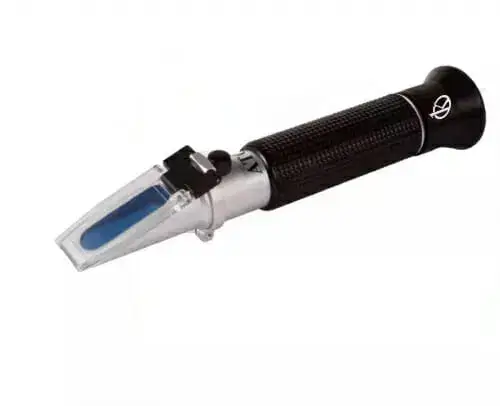
Digital Clinical Refractometers: Common Mistakes and How to Avoid Them in Daily Operations 2026
What is it used for in 2026
Digital clinical refractometers are essential tools in laboratory settings, primarily used to measure the concentration of solutes in liquids. This capability is critical for both veterinary and human clinical applications, providing invaluable data for diagnostics and treatment planning. In 2026, these devices are utilized to determine urine specific gravity, serum protein levels, and refractive index, assisting in a variety of clinical evaluations and research tasks.
History and evolution of the technology
The evolution of refractometry dates back to the early 19th century, with Charles Brewster's initial observations leading to the development of early optical refractometers. Over decades, the technology has undergone significant advancements, transitioning from manual to digital models, greatly enhancing accuracy and ease of use. The introduction of automatic temperature compensation (ATC) has further refined measurement precision, making digital clinical refractometers indispensable in modern laboratories.
How to use it step by step
To effectively use a digital clinical refractometer, follow these steps:
- Preparation: Ensure the refractometer is clean and calibrated. Use distilled water to zero the device if necessary.
- Sample Collection: Collect the liquid sample (urine or serum) in a clean container.
- Measurement: Place a few drops of the sample onto the prism. Close the cover plate to spread the sample evenly.
- Reading: Power on the device and wait for the reading to stabilize. Record the values displayed on the screen.
- Cleaning: After measurement, clean the prism and cover with distilled water to prevent contamination.
Best techniques and protocols
Implementing best practices is crucial for obtaining reliable results with digital clinical refractometers. Key techniques include:
- Always calibrate the refractometer before use to ensure accuracy.
- Use consistent temperature conditions for measurements to mitigate variations.
- Perform multiple measurements of the same sample to confirm consistency.
Practical applications by laboratory type
Different laboratory environments utilize digital clinical refractometers for various applications:
- Veterinary Clinics: Used to determine hydration status and assess renal function in pets.
- Human Diagnostic Labs: Employed for evaluating protein levels in serum and urine, aiding in diagnosing diseases.
- Research Laboratories: Used to study the effects of solute concentration on biological samples.
Regulations, standards and certifications
In 2026, it is essential that digital clinical refractometers comply with relevant industry standards and regulations. Laboratories should ensure that their devices meet the guidelines set by organizations such as the International Organization for Standardization (ISO) and the Clinical Laboratory Standards Institute (CLSI). Regular audits and certifications help maintain compliance and ensure the reliability of results.
Comparison with alternative technologies
While digital clinical refractometers are popular, alternative technologies such as traditional optical refractometers and hydrometers exist. Digital devices offer higher accuracy, ease of use, and quicker results compared to traditional methods. However, hydrometers might be more cost-effective for specific applications, though they require more manual handling and interpretation.
Comparison of available models
| Model | Best for | Key specs | Recommended use case |
|---|---|---|---|
| YR05915 | Veterinary and human clinical use | 0-12g/dl, 1.000-1.050sg, 1.3300RI-1.3600RI | Measuring specific gravity and protein levels in urine |
| YR05966 | Veterinary diagnostics | 1.000-1.050 SG | Assessing urine specific gravity in pets |
| YR05967 | Human serum analysis | 0-12.1 g/dl | Measuring serum protein levels |
| YR05968 | Broad clinical applications | 1.3330-1.3900 nD | Determining refractive index in various samples |
Common mistakes and how to avoid them
Laboratory professionals often encounter several pitfalls when using digital clinical refractometers. Common mistakes include:
- Inadequate Calibration: Failing to calibrate properly can lead to inaccurate readings. Always follow the calibration protocol.
- Sample Contamination: Using contaminated samples can yield misleading results. Ensure clean handling techniques.
- Ignoring Temperature Effects: Not accounting for temperature variations can affect measurements. Use ATC features where available.
Maintenance, calibration and good practices 2026
Regular maintenance and calibration are vital for optimal performance of digital clinical refractometers. Key practices include:
- Perform daily calibrations with distilled water before use.
- Schedule regular cleaning of the prism and cover to avoid residue buildup.
- Store the device in a protective case to prevent physical damage.
Cost-benefit analysis 2026
Investing in a digital clinical refractometer offers significant benefits, including improved accuracy, time savings, and ease of use. The initial cost may be higher than traditional methods, but the long-term savings in time and improved diagnostic accuracy justify the investment. Regular use can enhance laboratory efficiency and result in better patient outcomes.
Frequently asked questions
What should I consider when choosing a digital clinical refractometer?
When selecting a digital clinical refractometer, consider the specific applications you need it for, the measurement range, accuracy, and whether it has features like automatic temperature compensation (ATC).
How do I ensure my refractometer is calibrated correctly?
Always follow the manufacturer's calibration instructions, typically using distilled water to zero the device. Regular calibration checks are essential for maintaining accuracy.
What common errors should I avoid when using a refractometer?
Avoid inadequate calibration, sample contamination, and neglecting temperature effects which can all lead to inaccurate results.
Can I use a refractometer for both human and veterinary applications?
Yes, many digital clinical refractometers are designed for both human and veterinary use, making them versatile tools for healthcare professionals.
How often should I perform maintenance on my refractometer?
Routine maintenance should be done daily, including cleaning the prism and checking calibration. Comprehensive servicing should be scheduled periodically according to usage intensity.
What is the average lifespan of a digital clinical refractometer?
With proper care and maintenance, digital clinical refractometers can last several years, typically 5-10 years before requiring replacement.
If you are looking for a fusion of innovation and quality, you have come to the right place. At Kalstein, we offer you the luxury of exploring our exclusive catalog of laboratory equipment. We manufacture every device to the highest standards of excellence. Our intuitive and seamless online purchasing channels are designed for your convenience, securing the most competitive prices. Hesitate no longer — we bring science to life, it is time to become part of our community.