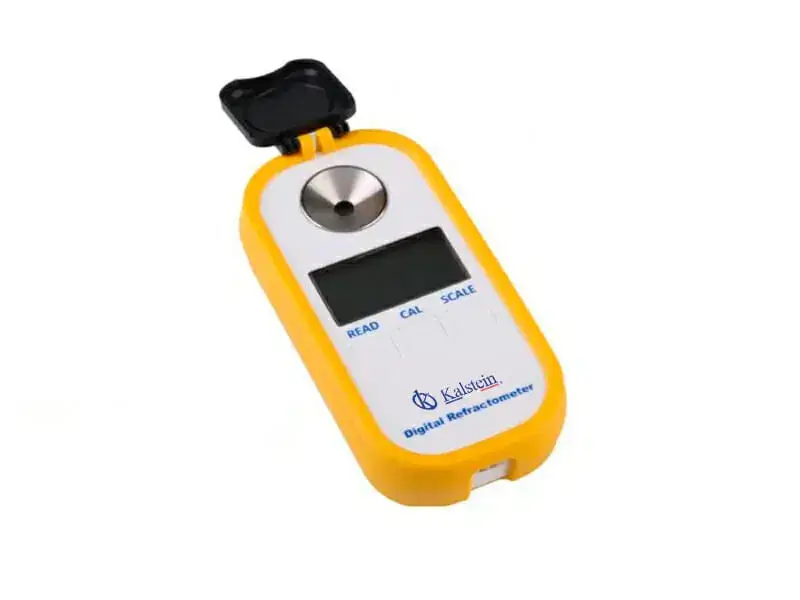
Digital BRIX+ Salinity Refractometer: Practical Step-by-Step Usage Guide 2026
In the dynamic world of laboratory equipment, understanding the purpose and functionality of Digital BRIX+ Salinity Refractometers is essential for professionals looking to enhance their workflows in 2026. This guide aims to equip you with the practical knowledge required for effective usage, applicable techniques, and best practices.
What is it used for in 2026
Digital BRIX+ Salinity Refractometers are primarily used for measuring the concentration of soluble solids, particularly sugars, in aqueous solutions. They are highly beneficial in various industries, including food and beverage, pharmaceuticals, and environmental testing. In 2026, their applications have expanded to include:
- Food and Beverage: Measuring sugar concentration in juices, syrups, and concentrated solutions.
- Environmental Monitoring: Assessing salinity levels in water samples such as seawater or brine solutions.
- Quality Control: Ensuring consistency in production processes by verifying the concentration of ingredients.
- Agriculture: Monitoring soil salinity and ensuring optimal growth conditions for crops.
History and evolution of the technology
The refractometer has evolved significantly since its inception, transitioning from manual to digital technology. The original models were cumbersome and required careful handling to ensure accuracy. With advancements in optics and electronics, modern Digital BRIX+ Salinity Refractometers, such as the YR05961 to YR05965 models, incorporate automatic temperature compensation (ATC) and digital displays, making measurements easier and more reliable. Today, these devices allow for quick, accurate readings that cater to various industrial needs.
How to use it step by step
Using a Digital BRIX+ Salinity Refractometer involves several straightforward steps:
- Preparation: Ensure the refractometer is clean and calibrated. If necessary, fill the prism with a few drops of the sample solution.
- Measurement: Close the cover and wait for a few seconds for the reading to stabilize.
- Reading the Results: Observe the digital readout for the concentration of Brix or salinity. Note the value for your records.
- Cleaning: After measurement, clean the prism and cover to prevent cross-contamination.
- Calibration: Ensure to calibrate the device regularly according to the manufacturer's instructions to maintain accuracy.
Best techniques and protocols
When utilizing Digital BRIX+ Salinity Refractometers, adhere to the following best techniques and protocols:
- Consistent Sample Temperature: Ensure samples are at a consistent temperature to avoid erroneous readings.
- Proper Cleaning: Always use distilled water to clean the prism after each use.
- Regular Calibration: Perform calibration checks before each use to ensure accuracy.
- Documentation: Keep detailed records of measurements and calibration settings for reference.
Practical applications by laboratory type
Different laboratories leverage Digital BRIX+ Salinity Refractometers for various applications:
- Food Laboratories: Testing sugar concentration in fruit juices, ensuring regulatory compliance and quality.
- Environmental Labs: Monitoring salinity levels in aquatic environments to assess ecosystem health.
- Pharmaceutical Labs: Verifying the concentrations of active ingredients in liquid formulations.
- Agricultural Labs: Analyzing soil salinity to optimize irrigation practices.
Regulations, standards and certifications
Digital BRIX+ Salinity Refractometers must adhere to specific industry regulations and standards, ensuring reliability and accuracy. These include:
- ISO Standards: Many laboratories follow ISO 9001 for quality management systems.
- FDA Regulations: Food and beverage industry devices must comply with FDA regulations for safety and efficacy.
- Calibration Standards: Regular calibration against certified standards is crucial for maintaining device accuracy.
Comparison with alternative technologies
While Digital BRIX+ Salinity Refractometers are prominent in measuring sugar and salinity, alternative technologies exist, such as:
- Conductivity Meters: Used primarily for salinity measurement but less specific than refractometers.
- Hydrometers: These are useful for measuring liquid density but offer less precision for Brix measurements.
- Near-Infrared Spectroscopy: This technology provides non-destructive analysis but requires more complex setup and operation.
Comparison of available models
| Model | Best for | Key specs | Recommended use case |
|---|---|---|---|
| YR05961 | Brix Measurement | 0-50%, ±0.2%, ATC, 0-40°C | Measuring sugar content in fruit juices. |
| YR05962 | Salinity Measurement | 0-280‰, ±0.2%, ATC, 0-40°C | Testing salinity in seawater. |
| YR05963 | Salinity Measurement | 0-280‰, ±2‰, ATC, 0-40°C | Analyzing brine solutions in food processing. |
| YR05964 | Density Measurement | 1.000-1.217, ±0.002, ATC, 0-40°C | Determining density of sugar solutions. |
| YR05965 | Refractive Index Measurement | 1.3330-1.4200nD, ±0.0003nD, ATC, 0-40°C | Measuring precise refractive index in chemical applications. |
Common mistakes and how to avoid them
When using Digital BRIX+ Salinity Refractometers, avoid these common mistakes:
- Ignoring Calibration: Always calibrate before use to ensure accurate measurements.
- Not Cleaning Properly: Failing to clean the prism can lead to cross-contamination and erroneous results.
- Using Samples at Varied Temperatures: Always use samples at a consistent temperature for reliable results.
- Neglecting Documentation: Documenting measurements and calibration checks is crucial for quality control.
Maintenance, calibration and good practices 2026
Regular maintenance and calibration of Digital BRIX+ Salinity Refractometers include:
- Routine Cleaning: Clean the prism with distilled water after each use.
- Calibration: Calibrate the refractometer with standard solutions regularly.
- Storage: Store the device in a protective case in a stable environment to prevent damage.
- Battery Checks: Regularly check and replace batteries to ensure functionality.
Cost-benefit analysis 2026
Investing in Digital BRIX+ Salinity Refractometers provides several benefits:
- Accuracy: These instruments offer high precision, reducing errors in measurement.
- Versatility: A single device can serve multiple applications in various laboratory settings.
- Time-saving: Digital displays and quick measurements enhance laboratory efficiency.
- Cost-effective: With their durability and low maintenance needs, they are a sound investment for laboratories.
Frequently asked questions
What type of samples can I measure with a Digital BRIX+ Salinity Refractometer?
You can measure a variety of liquid samples, including juices, syrups, and saline solutions, making them suitable for various laboratory applications.
How often should I calibrate my refractometer?
It's recommended to calibrate your refractometer before each use to ensure precise measurements, especially in critical applications.
Can I use the refractometer for both Brix and salinity measurements?
Yes, models like YR05961 and YR05962 are designed specifically for Brix and salinity measurements, allowing for versatile use in different scenarios.
What are the common indicators of a malfunctioning refractometer?
Common signs include inconsistent readings, failure to stabilize, or a lack of response on the digital display. If any occur, check calibration or consider servicing the device.
How can I ensure the longevity of my Digital BRIX+ Salinity Refractometer?
Proper maintenance, including regular cleaning, calibration, and careful storage, will extend the lifespan of your refractometer.
What should I do if my device gives inaccurate readings?
First, ensure proper calibration and cleaning. If problems persist, consult the manufacturer's troubleshooting guide or consider professional servicing.
Where can I purchase a Digital BRIX+ Salinity Refractometer?
You can explore various options and request a quote on our platform for competitive pricing and excellent service.
If you are looking for a fusion of innovation and quality, you have come to the right place. At Kalstein, we offer you the luxury of exploring our exclusive catalog of laboratory equipment. We manufacture every device to the highest standards of excellence. Our intuitive and seamless online purchasing channels are designed for your convenience, securing the most competitive prices. Hesitate no longer — we bring science to life, it is time to become part of our community.