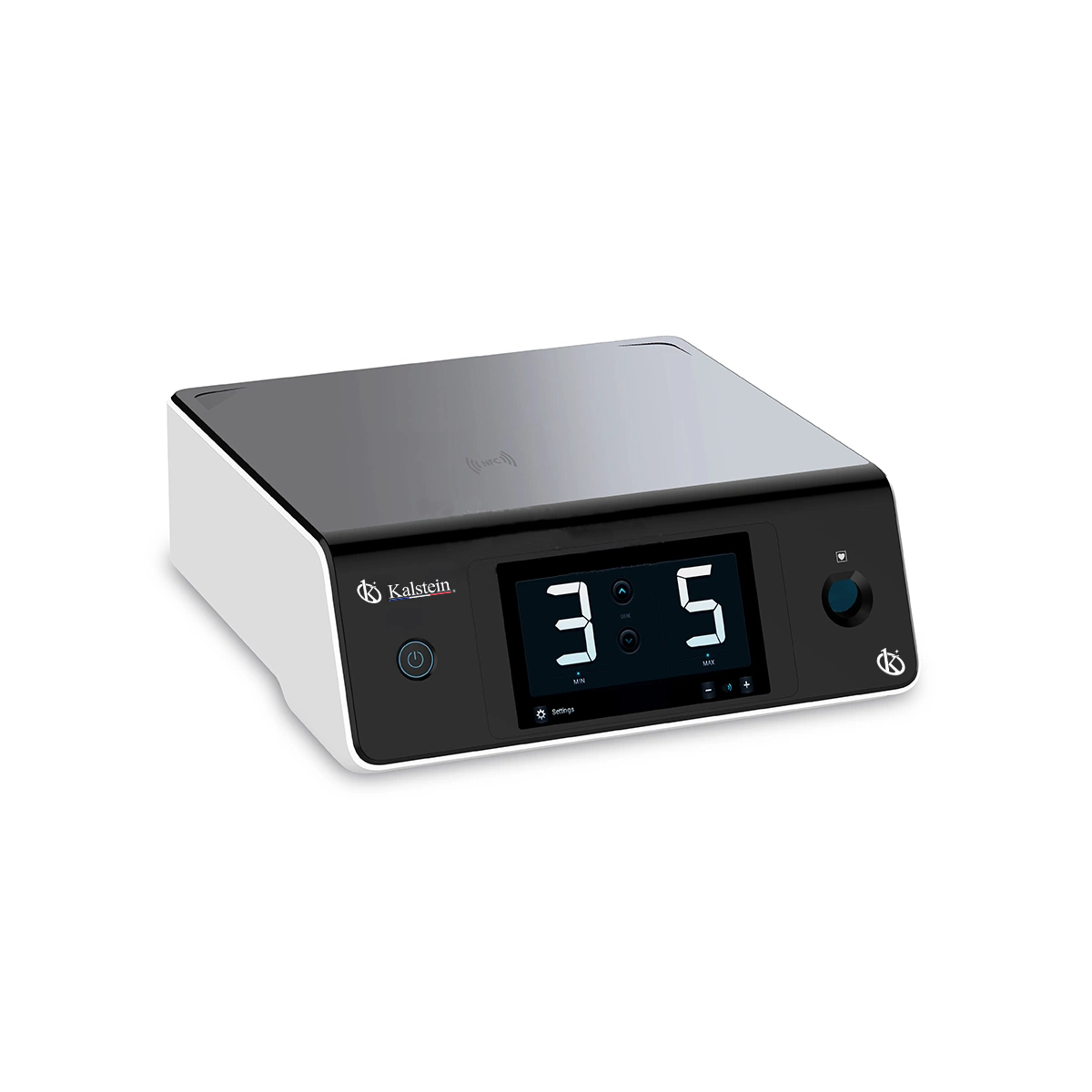
How to Achieve Effective Data Flow Digitalization with Veterinary Electrosurgical Units
In the evolving landscape of veterinary surgery, the integration of Veterinary Electrosurgical Units (VEUs) with Laboratory Information Management Systems (LIMS) is becoming increasingly vital. This article details the importance of digitalizing data flows within veterinary practices and how various models of VEUs contribute to this integration, enhancing operational efficiency and data management.
Understanding the Role of LIMS in Veterinary Electrosurgical Units
A Laboratory Information Management System (LIMS) streamlines laboratory processes by managing samples, associated data, and laboratory workflows. Integrating VEUs with LIMS enables seamless data capture during surgical procedures, improving traceability and operational efficiency.
Benefits of Digitalization in Veterinary Surgery
Digitalization offers numerous advantages in veterinary surgery, including improved accuracy, reduced manual data entry errors, and enhanced compliance with regulatory standards. By automating data flow between VEUs and LIMS, veterinary practices can achieve better record keeping, timely access to patient information, and improved patient outcomes.
Key Integration Protocols for Veterinary Electrosurgical Units
Effective integration of VEUs into a LIMS requires an understanding of connectivity protocols. Common protocols include HL7 for healthcare data exchange, ASTM for laboratory data standards, and REST for web services. Selecting VEUs that support these protocols ensures compatibility with existing systems and simplifies the integration process.
Comparative Analysis of Veterinary Electrosurgical Units
When choosing a VEU, it is important to compare various models based on their features and integration capabilities. Below is a comparison of prominent models available in the market:
| Model | Connectivity | Protocols Supported | Integration Effort | Best For |
|---|---|---|---|---|
| YR06129 | USB | HL7 | Medium | Small animal surgeries |
| YR06130 | Ethernet | REST | Low | General surgery applications |
| YR06131 | Wireless | ASTM | High | Laparoscopic procedures |
| YR06132 | USB | HL7 | Medium | Open surgeries |
| YR06133 | Ethernet | REST | Low | Mobile veterinary units |
| YR06134 | Wireless | ASTM | High | Field surgeries |
Common Mistakes and How to Avoid Them
One common mistake in implementing VEUs with LIMS is underestimating the need for staff training. Proper training ensures that all personnel are proficient in using the integrated systems, which leads to better data management and improved patient care. It's also crucial to verify compatibility between the VEU and the LIMS to prevent integration issues.
Frequently Asked Questions
What are the key benefits of integrating Veterinary Electrosurgical Units with LIMS?
Integrating Veterinary Electrosurgical Units like the YR06130 with LIMS enhances data accuracy, reduces manual errors, and improves compliance with veterinary regulations, streamlining the workflow significantly.
How does data flow digitalization improve veterinary surgical outcomes?
Data flow digitalization allows real-time tracking of surgical procedures and outcomes, leading to improved patient management and better surgical results. Models such as YR06131 facilitate this integration effectively.
Which integration protocols are essential for Veterinary Electrosurgical Units?
Essential protocols include HL7 for health data exchange and ASTM for laboratory data standards. Models like YR06132 support these protocols for seamless data integration.
What challenges might arise when integrating VEUs with LIMS?
Challenges include software compatibility issues and insufficient training for staff. Choosing models like YR06133, known for high compatibility, can mitigate these issues.
How can I ensure compliance with regulatory standards using VEUs?
Selecting models such as YR06129 that provide robust data tracking capabilities helps ensure compliance with veterinary regulations and standards during procedures.
What factors should I consider when choosing a Veterinary Electrosurgical Unit?
Consider features such as connectivity options, integration ease, and specific applications of the models, like YR06134 for mobile surgeries, to ensure they meet your practice's needs.
What is the cost impact of implementing a LIMS-integrated VEU?
Implementing a LIMS-integrated VEU, such as YR06130, can lead to cost savings in operational efficiencies and reduced errors, balancing the initial investment over time.
How does automation in VEUs benefit veterinary practices?
Automation reduces manual input and errors, allows better data tracking, and simplifies workflows. Models like YR06132 enable this automation effectively in surgical environments.
If you are looking for a fusion of innovation and quality, you have come to the right place. At Kalstein, we offer you the luxury of exploring our exclusive catalog of laboratory equipment. We manufacture every device to the highest standards of excellence. Our intuitive and seamless online purchasing channels are designed for your convenience, securing the most competitive prices. Hesitate no longer — we bring science to life, it is time to become part of our community.