How to Achieve Data Flow Digitalization with Laboratory Equipment Integration
In the realm of laboratory operations, the digitalization of data flow through effective integration with Laboratory Information Management Systems (LIMS) has become essential. This approach minimizes manual errors, enhances efficiency, and facilitates compliance with various standards. This article delves into the integration capabilities of multiple laboratory equipment models, providing insights into how laboratories can leverage these tools to streamline their workflows.
Understanding LIMS Integration and Digitalization
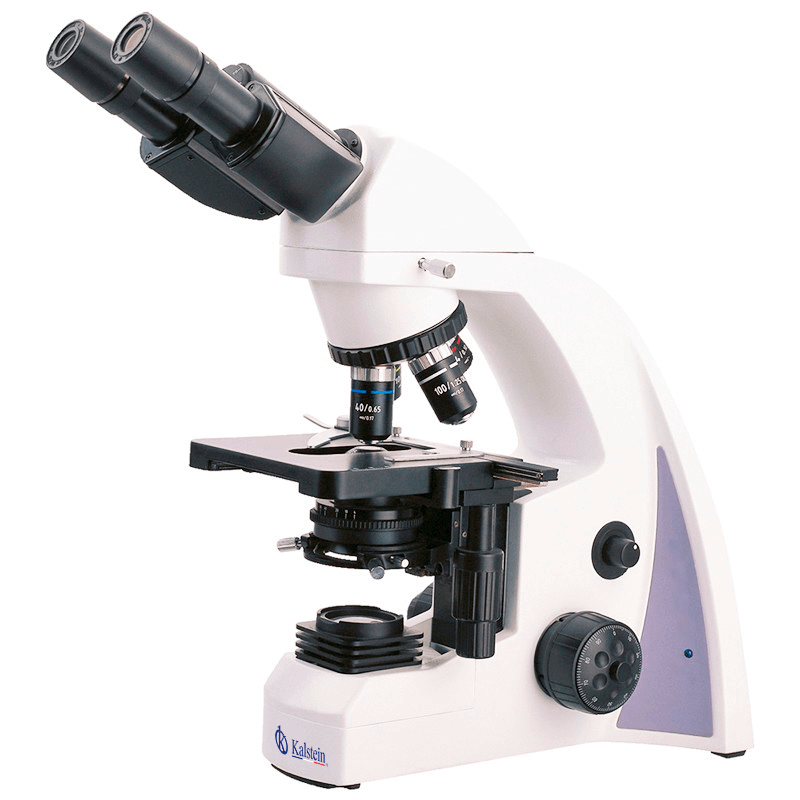
LIMS integration refers to the process of connecting laboratory instruments with software systems that manage data throughout the laboratory workflow. This integration allows for automated data entry, real-time monitoring, and reporting, aligning with the principles of digitalization. By using instruments such as microscopes and pipettes equipped with connectivity features, laboratories can ensure that their data processes are fully optimized.
Key Benefits of Integrating Laboratory Equipment with LIMS
Integrating laboratory equipment with LIMS can lead to several key benefits:
- Enhanced Data Accuracy: Automation reduces human errors during data entry, ensuring higher accuracy for test results.
- Increased Efficiency: Automated workflows allow for quicker turnaround times in laboratories, enhancing productivity.
- Improved Compliance: Integration aids laboratories in adhering to regulatory standards by maintaining traceability and audit trails.
- Streamlined Operations: Real-time data sharing leads to better decision-making and workflow coordination.
Comparison of Available Models
| Model | Connectivity | Protocols Supported | Integration Effort | Best For |
|---|---|---|---|---|
| YR0237-0-1 | USB | HL7, ASTM | Moderate | Microscopy applications |
| YR0237-1 | Wireless | LIS2-A2 | Easy | General laboratory use |
| YR0237-1-1 | Ethernet | REST | High | Advanced microscopy |
| YR03731-1 | USB | Custom | Low | Pipetting tasks |
| YR03731-2 | Wireless | HL7 | Easy | Standardized liquid handling |
| YR03731-3 | Ethernet | Custom | Moderate | High-precision applications |
Common Mistakes and How to Avoid Them
When implementing LIMS integration, laboratories often make several common mistakes that can hinder success:
- Neglecting Training: Failing to train staff on new systems can lead to improper use and inefficiencies.
- Underestimating Integration Complexity: Overlooking the technical requirements of integrating different equipment can lead to project delays.
- Ignoring Data Standards: Not adhering to data integrity standards can result in compliance issues.
To avoid these pitfalls, it is crucial to have a comprehensive training program, understand the integration landscape, and establish strict data governance protocols.
Frequently Asked Questions
How can I effectively integrate Laboratory Microscope YR0237-0-1 with LIMS?
The Laboratory Microscope YR0237-0-1 can be integrated with LIMS using its USB connectivity, supporting protocols like HL7 and ASTM. It is essential to follow the manufacturer's guidelines for software compatibility and ensure that the integration aligns with your laboratory's data management practices.
What features does Fluid Handling Pipette YR03731-1 offer for data integration?
The Fluid Handling Pipette YR03731-1 is equipped with USB connectivity and supports custom protocols, making it suitable for seamless integration with LIMS. Its design allows for accurate volume dispensing, which is critical for data integrity in laboratory workflows.
What challenges could arise when connecting laboratory equipment to LIMS?
Challenges when connecting laboratory equipment like the Laboratory Microscope YR0237-1 to LIMS can include compatibility issues, software integration complexities, and potential resistance from staff. Addressing these challenges through proper planning and training can facilitate smoother transitions.
How does LIMS integration enhance compliance with laboratory standards?
LIMS integration enhances compliance by ensuring data traceability, allowing laboratories to maintain accurate records and meet industry standards. For example, integration of the Fluid Handling Pipette YR03731-2 helps track pipetting processes, which is crucial for audits and quality control.
What is the cost of implementing LIMS integration in a laboratory?
The cost of implementing LIMS integration can vary significantly based on equipment like the Laboratory Microscope YR0237-1 and the complexity of integration. Typically, expenses include software licenses, training, and potential hardware upgrades, ranging from a few thousand to tens of thousands of dollars.
How do I ensure my laboratory’s data integrity during LIMS integration?
To ensure data integrity during LIMS integration, it's crucial to maintain clear documentation, use validated methods for data transfer, and implement regular audits. The Laboratory Microscope YR0237-1, for instance, can support accurate data recording when integrated properly.
What role does ergonomics play in laboratory equipment integration?
Ergonomics plays a vital role in laboratory equipment integration by enhancing user comfort and reducing strain during data management workflows. Models like the Fluid Handling Pipette YR03731-3 are designed to fit comfortably in hand, promoting ease of use and accuracy when interfacing with LIMS.
How can I determine the best model for my laboratory’s digitalization needs?
To determine the best model for your laboratory's digitalization needs, assess your specific requirements such as the type of tests conducted, volume of samples, and integration capabilities. Evaluate models like the Laboratory Microscope YR0237-1 against your workflow to see which offers the best compatibility with your LIMS.
If you are looking for a fusion of innovation and quality, you have come to the right place. At Kalstein, we offer you the luxury of exploring our exclusive catalog of laboratory equipment. We manufacture every device to the highest standards of excellence. Our intuitive and seamless online purchasing channels are designed for your convenience, securing the most competitive prices. Hesitate no longer — we bring science to life, it is time to become part of our community.