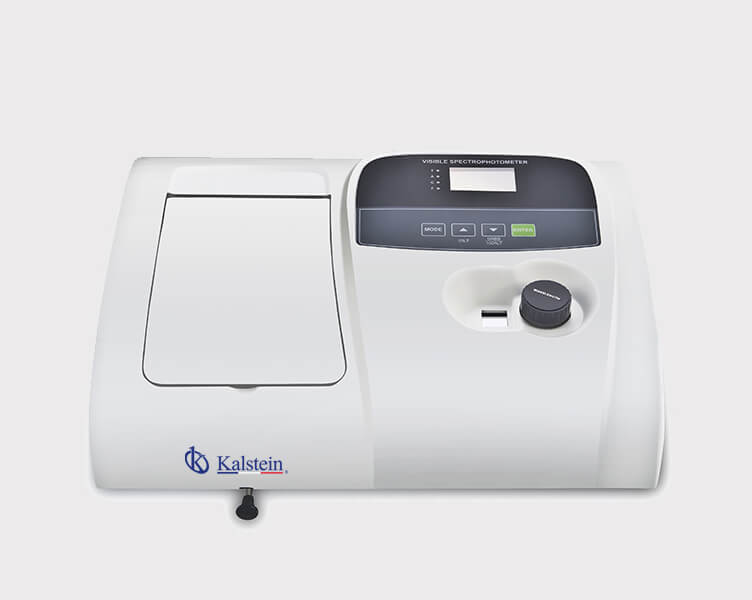
Cost-Benefit Analysis and ROI for Unique Beam Spectrophotometers in Laboratories
Unique beam spectrophotometers are essential tools in modern laboratories, facilitating quantitative analysis across various scientific fields. In the context of cost-benefit analysis and return on investment (ROI), understanding the financial implications of these instruments is crucial for laboratory professionals. This article delves into the financial considerations associated with unique beam spectrophotometers, offering insights into their operational efficiency, cost structures, and potential savings over time.
Understanding Cost-Benefit Analysis in Laboratory Equipment Acquisition
Cost-benefit analysis (CBA) is a systematic approach that helps laboratories evaluate the financial viability of acquiring new equipment, such as unique beam spectrophotometers. The process involves comparing the expected costs of the equipment against the anticipated benefits, including increased operational efficiency and enhanced analytical capabilities. Key factors in CBA include initial capital expenditures (CAPEX), operational expenditures (OPEX), maintenance costs, and the expected lifespan of the instruments.
When evaluating unique beam spectrophotometers, laboratories should consider cost per test, payback periods, and the overall impact on productivity. By analyzing these factors, labs can make informed decisions that align with their financial goals and operational needs.
Return on Investment: Quantifying Savings with Unique Beam Spectrophotometers
Calculating the return on investment (ROI) for unique beam spectrophotometers involves assessing the financial benefits derived from their usage against the total costs incurred. A thorough ROI calculation considers several elements, such as:
- Initial Purchase Price
- Maintenance and Operating Costs
- Cost Savings from Increased Efficiency
- Reduction in Reagent Waste
- Enhanced Revenue from Improved Analytical Services
For example, if a laboratory invests in the YR01844 model for $330 and expects to generate an additional $2,000 in revenue annually due to improved services, the ROI can be calculated to showcase the worth of the spectrophotometer in enhancing financial performance.
Comparison of Available Models
| Model | Initial Cost (USD) | Operational Cost per Test (USD) | Payback Period (Months) | Best Application |
|---|---|---|---|---|
| YR01844 | 330.00 | 0.50 | 6 | Basic analyses |
| YR01845 | 530.00 | 0.75 | 8 | Standard curve applications |
| YR01846 | 690.00 | 0.70 | 7 | High precision tasks |
| YR01847 | 840.00 | 0.65 | 9 | Complex analyses |
| YR01850 | 790.00 | 0.80 | 10 | Environmentally sensitive tests |
| YR01853 | 1630.00 | 0.90 | 12 | Advanced research |
Factors Affecting ROI in Unique Beam Spectrophotometers
Several factors influence the ROI for unique beam spectrophotometers, including:
- Usage Frequency: The more frequently the spectrophotometer is used, the faster the payback period will occur.
- Operational Efficiency: Models with advanced features can process samples faster, leading to decreased operational costs.
- Maintenance Needs: Regular maintenance can mitigate breakdown costs but may incur additional expenses.
- Reagent Costs: Instruments that minimize reagent usage significantly contribute to lower operational costs.
- Training Costs: A user-friendly interface can reduce training time and costs associated with onboarding staff.
Common Mistakes and How to Avoid Them
Laboratories often make errors when acquiring unique beam spectrophotometers that can impact ROI. Common pitfalls include:
- Neglecting Total Cost of Ownership: It’s vital to consider not just the purchase price but all associated costs over the equipment's lifespan.
- Overlooking Features: Selecting a model without the necessary features for specific applications can lead to inefficiencies, reducing the expected ROI.
- Ignoring Calibration and Maintenance: Failing to maintain calibration schedules can affect precision and overall analytical performance.
- Underestimating User Training: Proper training is essential for maximizing the use of the spectrophotometer and avoiding operational errors.
Frequently Asked Questions
How can I calculate the ROI for a unique beam spectrophotometer investment?
To calculate ROI for a unique beam spectrophotometer like the YR01844, evaluate the total costs (purchase price and operational expenses) against the expected financial gains from increased efficiency and service quality. Include metrics such as payback period and cost per test for a comprehensive analysis.
What factors influence the cost per test in unique beam spectrophotometers?
Cost per test is influenced by factors such as reagent usage, operational efficiency of the model (like YR01845), and maintenance costs. Choosing a spectrophotometer with features that optimize these factors can lead to significant savings.
Which unique beam spectrophotometer model is most cost-effective for routine laboratory analyses?
The YR01844 model, with a purchase price of $330, is highly cost-effective for routine analyses, offering a low operational cost per test and a quick payback period, making it ideal for basic laboratory applications.
How do maintenance costs affect the overall ROI of spectrophotometers?
Maintenance costs can significantly impact the overall ROI by affecting the operational efficiency and longevity of the spectrophotometer. Regular maintenance ensures models like the YR01846 remain accurate and minimize unexpected repairs that could increase total expenses.
What are the common pitfalls when purchasing unique beam spectrophotometers?
Common pitfalls include underestimating the total cost of ownership, neglecting necessary features for specific analyses, and overlooking the importance of user training. These can diminish the effective ROI of models such as YR01850.
What should I consider regarding warranty and after-sales support for spectrophotometers?
When purchasing a unique beam spectrophotometer like the YR01853, ensure to consider the warranty duration and the quality of after-sales support. Strong support can help mitigate costs associated with repairs and ensure optimal operation throughout the instrument's lifespan.
How does the choice of a unique beam spectrophotometer impact productivity in a lab?
The choice of spectrophotometer significantly impacts lab productivity by affecting sample throughput and analysis speed. Instruments like the YR01847 are designed for efficiency, allowing labs to process more samples in less time.
What role does user training play in optimizing the use of spectrophotometers?
User training is crucial for optimizing the functionality of spectrophotometers such as the YR01850. Well-trained staff can maximize efficiency, reduce errors, and enhance the overall ROI of the equipment.
If you are looking for a fusion of innovation and quality, you have come to the right place. At Kalstein, we offer you the luxury of exploring our exclusive catalog of laboratory equipment. We manufacture every device to the highest standards of excellence. Our intuitive and seamless online purchasing channels are designed for your convenience, securing the most competitive prices. Hesitate no longer — we bring science to life, it is time to become part of our community.