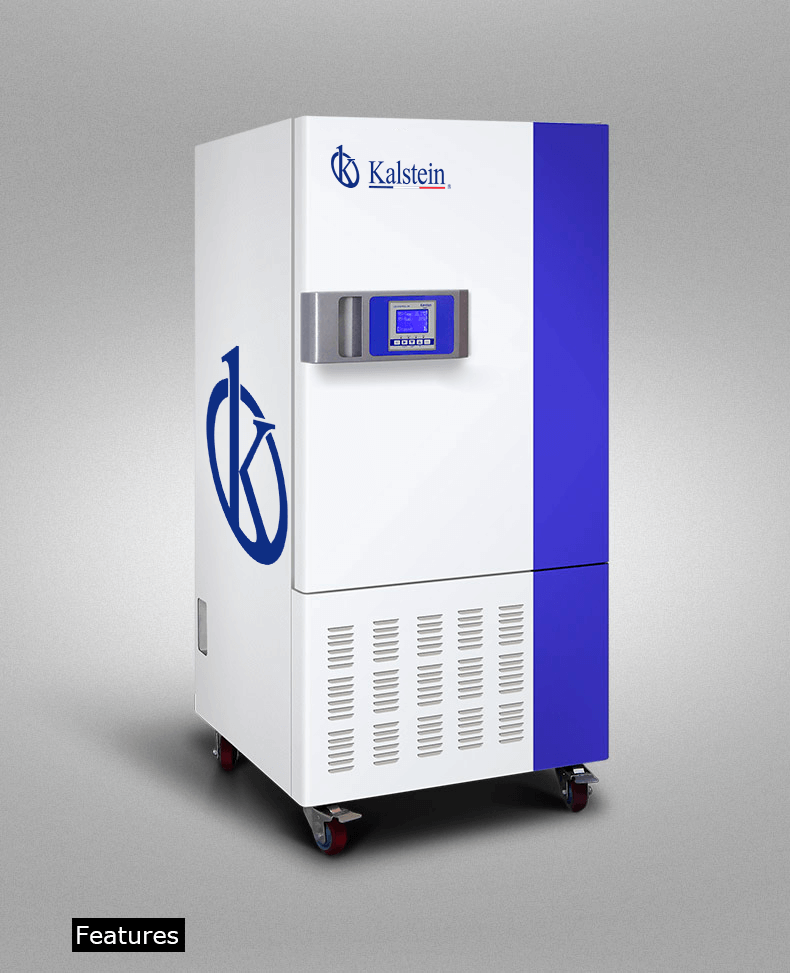
Cost-Benefit Analysis for Illumination Drug Stability Test Chambers
In the pharmaceutical industry, the importance of drug stability testing cannot be overstated. Illumination Drug Stability Test Chambers provide a controlled environment to assess the impact of light on pharmaceutical formulations. This article focuses on the cost-benefit analysis of various models, helping laboratory professionals make informed decisions regarding investments in illumination stability testing equipment.
Understanding the Importance of Cost-Benefit Analysis in Laboratories
Cost-benefit analysis (CBA) is essential in laboratory settings, particularly when investing in equipment such as Illumination Drug Stability Test Chambers. By evaluating the potential return on investment (ROI) against the costs associated with these chambers, laboratories can determine their financial viability and long-term benefits. A comprehensive CBA can lead to better allocation of resources, improved operational efficiency, and enhanced research capabilities.
Models of Illumination Drug Stability Test Chambers
There are several models available in the market, including the Strong Lighting Stability Test Chamber YR05353, YR05353-1, and YR05353-2. Each model is designed to cater to different needs in terms of testing and operation costs.
Strong Lighting Stability Test Chamber YR05353
The YR05353 model is equipped with a world-renowned compressor, offering balanced refrigeration technology and automatic defrosting. It is ideal for pharmaceutical companies focusing on drug failure evaluation, accelerated tests, and long-term studies. With a price of $2620.00, it is positioned as an affordable option that provides high efficiency.
Strong Lighting Stability Test Chamber YR05353-1
This model, priced at $3060.00, offers similar features to the YR05353 but with enhanced capabilities for prolonged testing scenarios. It is also designed for companies that require a robust solution for illumination stability testing.
Strong Lighting Stability Test Chamber YR05353-2
At $4200.00, the YR05353-2 provides advanced features for more complex testing requirements. This model is best suited for laboratories that prioritize extensive testing protocols and need comprehensive data for drug stability analysis.
Comparison of Available Models
| Model | Price (USD) | Best for | Features |
|---|---|---|---|
| YR05353 | 2620.00 | Small to medium labs | Balanced refrigeration, 0~6000LX lighting |
| YR05353-1 | 3060.00 | Medium to large labs | Enhanced testing options, automatic defrost |
| YR05353-2 | 4200.00 | Advanced research labs | Comprehensive data collection, extended capabilities |
Analyzing Capital Expenditure (CAPEX) vs. Operational Expenditure (OPEX)
When considering the acquisition of an Illumination Drug Stability Test Chamber, it's crucial to analyze the CAPEX against the OPEX. CAPEX refers to the initial investment in purchasing the equipment, while OPEX includes the ongoing costs associated with its operation.
For instance, the initial cost of YR05353 is $2620.00, which is a one-time investment. In contrast, OPEX may include maintenance, energy consumption, and consumables. Understanding these financial aspects allows laboratories to project their total cost of ownership over time, which can be essential when preparing budgets.
Calculating ROI for Laboratory Equipment
ROI can be calculated using the formula: ROI = (Net Profit / Cost of Investment) x 100. For laboratories investing in the YR05353, if the net profit from drug stability testing over a year is estimated at $5000, the ROI would be:
ROI = (5000 / 2620) x 100 = 191.5%.
This high ROI indicates that the investment is worthwhile, especially when considering the ongoing need for drug stability testing in compliance with regulatory standards.
Common Mistakes and How to Avoid Them
Laboratories often make several common mistakes when investing in drug stability test chambers. A frequent pitfall is failing to thoroughly research the models available. It is essential to assess features, costs, and data collection capabilities before making a decision.
Another mistake is underestimating the long-term operational costs. Often, laboratories focus solely on initial costs without considering energy consumption, maintenance, and potential repairs. A comprehensive understanding of the total cost of ownership is critical.
Frequently Asked Questions
How does the Strong Lighting Stability Test Chamber YR05353 help improve drug stability testing?
The YR05353 model provides controlled lighting and temperature conditions essential for evaluating drug stability under illumination, thus enhancing testing accuracy and reliability.
What is the average ROI for laboratories investing in illumination stability test chambers?
Laboratories can expect an average ROI exceeding 190% when investing in models like the YR05353, revealing significant profitability in drug stability testing over time.
How much energy do illumination drug stability test chambers consume?
Energy consumption varies by model, but the YR05353 and its counterparts are designed to minimize operational costs while maintaining high efficiency, making them suitable for long-term use.
What features should I consider when choosing an illumination drug stability test chamber?
Key features include temperature range control, illumination levels, cooling system efficiency, and data recording capabilities, all of which are present in models like the YR05353.
How can I ensure compliance with regulatory standards using these chambers?
Choosing models like YR05353 ensures laboratories have the necessary specifications to meet regulatory requirements for drug stability testing protocols.
What are the maintenance requirements for illumination stability test chambers?
Regular maintenance includes checking cooling systems, calibrating temperature controls, and ensuring proper function of lighting settings for reliable performance over time.
How do I assess the cost-effectiveness of illumination drug stability test chambers?
By performing a thorough cost-benefit analysis, including CAPEX, OPEX, and potential ROI, laboratories can make informed choices on which model best fits their operational needs.
What advancements are expected in illumination drug stability test chambers by 2026?
Future developments may include enhanced automation, better energy efficiency, and advanced data analytics capabilities, leading to more effective drug stability evaluations.
If you are looking for a fusion of innovation and quality, you have come to the right place. At Kalstein, we offer you the luxury of exploring our exclusive catalog of laboratory equipment. We manufacture every device to the highest standards of excellence. Our intuitive and seamless online purchasing channels are designed for your convenience, securing the most competitive prices. Hesitate no longer — we bring science to life, it is time to become part of our community.