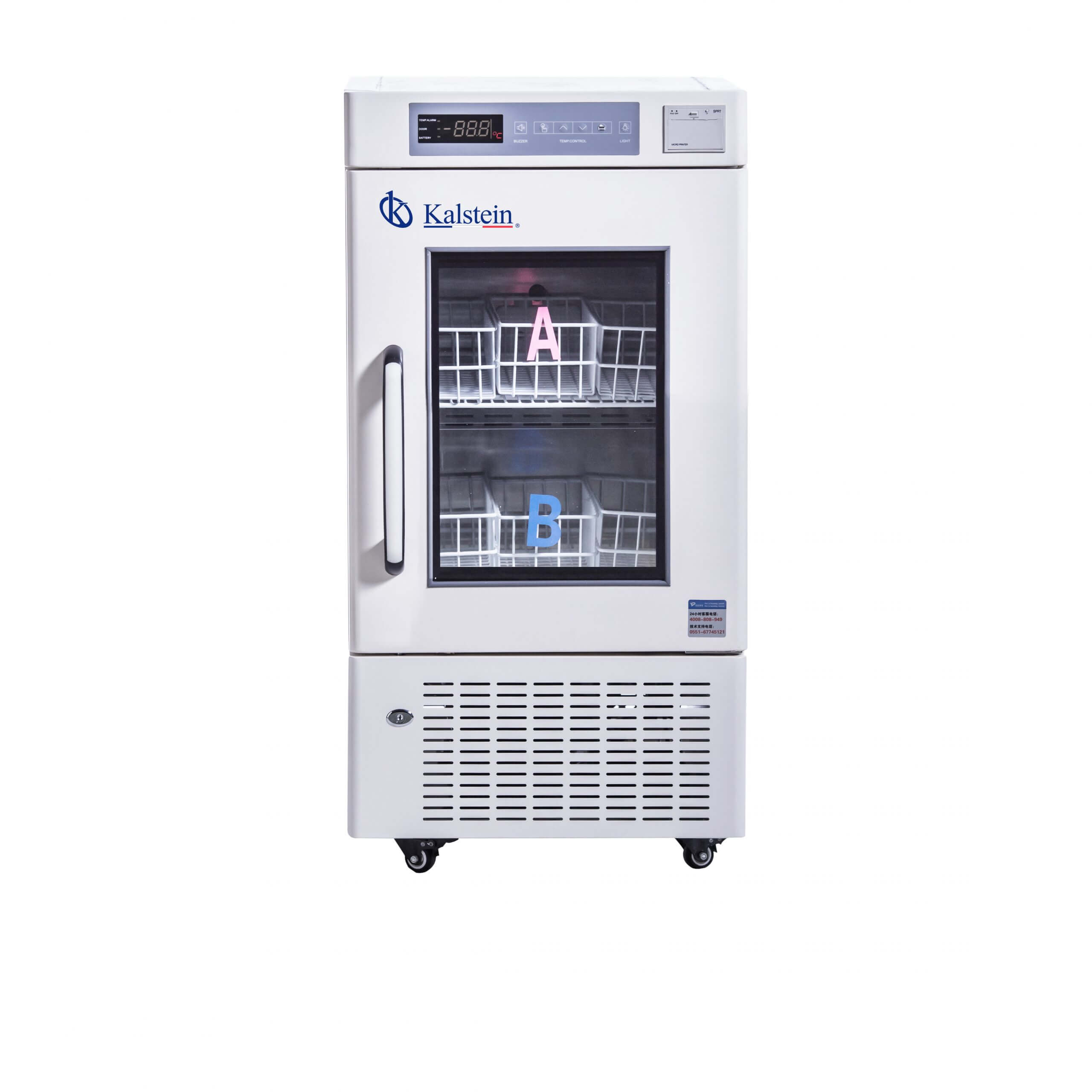
Cost-Benefit Analysis and ROI for Blood Bank Refrigerators: A Comprehensive Guide
Blood bank refrigerators play a critical role in the safe storage of blood and blood products essential for transfusions and medical procedures. Understanding the return on investment (ROI) and conducting a cost-benefit analysis is vital for laboratories and medical facilities aiming to optimize their operations. This article delves into the specifics of evaluating multiple models of blood bank refrigerators, emphasizing their financial implications and benefits for healthcare providers.
Understanding the Importance of Cost-Benefit Analysis in Blood Bank Refrigerators
A cost-benefit analysis (CBA) allows laboratories to evaluate the potential benefits and costs associated with acquiring blood bank refrigerators. By analyzing initial capital expenditures (CAPEX) against ongoing operational costs (OPEX), laboratories can determine the overall financial impact of these refrigerators on their budget. A thorough CBA can reveal how efficient a model is in maintaining optimal temperatures, reducing risks of spoilage, and meeting compliance with health regulations, thereby enhancing patient safety.
Key Factors in Calculating ROI for Blood Bank Refrigerators
To effectively assess ROI, laboratories need to consider several factors, including the lifespan of the equipment, energy consumption, maintenance costs, and the volume of blood stored. By establishing a detailed understanding of these elements, lab managers can project the payback period and overall savings. ROI can be calculated using the formula: ROI = (Net Profit / Total Investment) x 100. This allows for a clear picture of the financial benefits over the refrigerator's operational life.
Comparison of Available Models
| Model | CAPEX (USD) | Cost per use (USD) | Payback Period (months) | Recommended Scenario |
|---|---|---|---|---|
| YR05091 | 800.00 | 0.15 | 24 | Small to medium-sized labs |
| YR05092 | 1230.00 | 0.20 | 30 | Medium laboratories with higher volume |
| YR05094 | 2275.00 | 0.28 | 36 | Large scale operations |
| YR05098 | 1550.00 | 0.25 | 28 | Research facilities requiring deep freezing |
| YR05292 | 3490.00 | 0.35 | 42 | High-throughput blood storage |
| YR05292-1 | 1850.00 | 0.30 | 35 | Medium to large scale operations |
Quantitative Breakdown of Energy Consumption and Operational Costs
To ensure cost efficiency, laboratories must also consider energy consumption in their ROI calculations. Energy-efficient models reduce operational costs significantly over time. Below is a breakdown of energy consumption for the listed blood bank refrigerators.
| Model | Energy Consumption (kWh/24h) | Operational Cost (USD/month) |
|---|---|---|
| YR05091 | 1.95 | 22.05 |
| YR05092 | 2.22 | 24.42 |
| YR05094 | 6.31 | 70.41 |
| YR05098 | 3.4 | 37.68 |
| YR05292 | 4.5 | 49.50 |
| YR05292-1 | 4.0 | 44.00 |
Common Mistakes and How to Avoid Them
Laboratories often overlook key elements when selecting blood bank refrigerators. A common mistake is focusing solely on the initial purchase price, neglecting long-term operational costs. Additionally, inadequate analysis of storage capacity requirements can lead to inefficiencies and increased costs. To avoid these pitfalls, ensure a comprehensive analysis of both upfront and ongoing expenses and align refrigerator capabilities with actual storage needs.
Best Practices for Maximizing ROI in Blood Bank Operations
To maximize ROI, consider implementing routine maintenance schedules, ensuring optimal conditions for blood storage, and training staff on efficient operational practices. Regular calibration and performance checks will help maintain the standards expected from models like YR05092 and YR05094, preventing costly downtime and wastage of stored products.
Frequently Asked Questions
What is the expected ROI for a YR05091 blood bank refrigerator over its lifespan?
The expected ROI for the YR05091 blood bank refrigerator can be approximately 24 months based on its CAPEX of $800. With operational costs around $22.05/month, its efficiency in maintaining the ideal temperature for blood storage directly impacts the hospital's overall savings in waste reduction.
How does the energy consumption of the YR05094 compare to other models?
The energy consumption for the YR05094 is relatively high at 6.31 kWh/24h. This translates to an operational cost of approximately $70.41/month, making it less efficient compared to models like YR05091, which consumes only 1.95 kWh, costing $22.05/month.
What are the critical features to consider in blood bank refrigerators for cost analysis?
Key features for cost analysis include energy consumption, maintenance frequency, and storage capacity. Models like YR05292 with 12 drawers may provide better utilization leading to lower cost per use, making them ideal for high-volume facilities.
How can I ensure compliance with regulations using a blood bank refrigerator?
Compliance can be maintained by using models like YR05092, which meet the temperature regulation standards of 4 ± 1 °C, ensuring that blood products remain safe for use. Regular audits and checks are essential to verify compliance.
What factors influence the payback period of blood bank refrigerators?
Factors affecting payback period include the initial cost, operational efficiency, and the volume of stored blood. For instance, the payback period for YR05094 is 36 months, reflecting higher operational costs and storage capacity.
How much does a high-capacity blood bank refrigerator like YR05292 cost?
The YR05292 blood bank refrigerator costs $3490, designed for high-capacity storage. Its operational efficiency justifies the investment, particularly for facilities managing large quantities of blood products.
What maintenance practices enhance the longevity of blood bank refrigerators?
Regular maintenance, including temperature checks and cleaning of the condenser, enhances the longevity of blood bank refrigerators. Ensuring models like YR05098 are calibrated correctly prevents failures and prolongs their operational lifespan.
How do I choose the right blood bank refrigerator for my lab's needs?
Choosing the right blood bank refrigerator involves analyzing your lab's storage requirements, operational budget, and energy consumption. Models such as YR05091 are suitable for smaller labs, while the YR05292 is better for larger operations.
If you are looking for a fusion of innovation and quality, you have come to the right place. At Kalstein, we offer you the luxury of exploring our exclusive catalog of laboratory equipment. We manufacture every device to the highest standards of excellence. Our intuitive and seamless online purchasing channels are designed for your convenience, securing the most competitive prices. Hesitate no longer — we bring science to life, it is time to become part of our community.