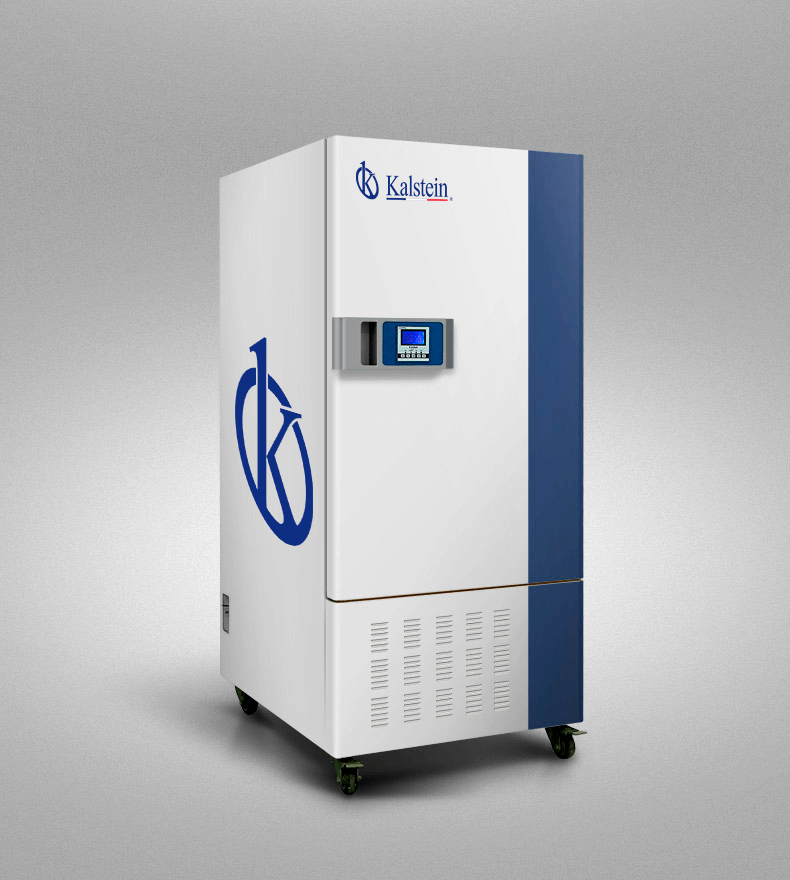
Utilizing Constant Temperature and Humidity Chambers for University Research: Best Practices
In academic research, maintaining precise environmental conditions is paramount for the integrity and reproducibility of experiments. Constant temperature and humidity chambers provide researchers with the controlled settings required for various scientific studies, particularly in university laboratories. These chambers replicate specific climatic conditions essential for experiments involving biological samples, chemical reactions, and material aging tests. This article delves into the critical applications and best practices for utilizing constant temperature and humidity chambers in university research projects.
Understanding Constant Temperature and Humidity Chambers
Constant temperature and humidity chambers are crucial for laboratories aiming to simulate environmental conditions similar to those found in nature. These chambers are designed to maintain a stable temperature and humidity level, which is essential for various applications such as seed germination studies, microbial growth assessments, and longevity testing of materials. Each model of these chambers offers unique features tailored for specific research needs.
Key Applications in University Research
University research spans a wide range of disciplines, and constant temperature and humidity chambers can significantly enhance the quality of experiments. They are particularly valuable in:
- Biological Studies: Providing controlled conditions for plant growth, seed germination, and microbial cultures.
- Chemical Research: Ensuring consistent conditions for reaction kinetics and stability testing.
- Material Science: Evaluating the effects of temperature and humidity on material properties over time.
Comparison of Available Models
| Model | Temperature Range (℃) | Humidity Range (%) | Best For | Price (USD) |
|---|---|---|---|---|
| YR05334 | 0~60 | 40~95 | Microbial growth studies | 1870.00 |
| YR05335 | 0~60 | 40~95 | Longevity testing | 2220.00 |
| YR05336 | 0~60 | 40~95 | Seed germination | 3140.00 |
| YR05337 | 0~60 | 40~95 | Chemical reaction kinetics | 1900.00 |
| YR05338 | 0~60 | 40~95 | Material aging studies | 2250.00 |
| YR05339 | 0~60 | 40~95 | Biological sample testing | 3180.00 |
Common Mistakes and How to Avoid Them
When utilizing constant temperature and humidity chambers, researchers may encounter several common pitfalls. These include:
- Neglecting Calibration: Regular calibration of the chamber is essential to ensure the accuracy of temperature and humidity levels.
- Inadequate Preconditioning: Allowing samples to acclimatize to the chamber conditions before testing is critical for valid results.
- Overloading the Chamber: Exceeding the chamber's capacity can lead to uneven temperature and humidity distribution.
Best Practices for Effective Use
To maximize the effectiveness of constant temperature and humidity chambers in university research, consider the following best practices:
- Regular Maintenance: Implement a scheduled maintenance plan to keep the chamber in optimal condition.
- Data Logging: Utilize data logging systems to monitor and record environmental conditions continuously.
- Standard Operating Procedures: Develop SOPs that outline the protocols for using the chambers effectively.
Best Models for Research Projects
Choosing the right model of constant temperature and humidity chamber can impact research outcomes significantly. Models like YR05334 are excellent for microbial studies, while YR05336 offers superior performance for seed germination tests. Understanding the specifics of each model allows researchers to tailor their equipment choices to their unique project requirements.
Frequently Asked Questions
How does a constant temperature and humidity chamber aid biological research in universities?
The YR05334 constant temperature and humidity chamber is particularly effective for biological research, allowing for precise control over environmental conditions essential for microbial growth studies. By maintaining a stable temperature range of 0-60℃ and humidity levels of 40-95%, researchers can ensure that experiments yield reliable and reproducible results.
What are the key features to look for in a constant temperature and humidity chamber for academic use?
When selecting a constant temperature and humidity chamber like the YR05335, it’s important to consider features such as a programmable control system, accurate temperature range (0-60℃), and humidity capabilities (40-95%). These features ensure that the chamber meets the specific demands of academic research projects.
What maintenance practices are necessary for constant temperature and humidity chambers?
To ensure optimal performance, regular calibration and maintenance of models like the YR05337 are essential. This includes checking temperature and humidity sensors, cleaning the chamber, and performing performance checks to guarantee consistent results for your research.
How can constant temperature and humidity chambers support material science experiments?
Constant temperature and humidity chambers, such as the YR05338, provide controlled environments that are crucial for evaluating the effects of various climatic conditions on materials. By maintaining specific temperature and humidity levels, researchers can assess material aging and durability under simulated conditions.
Which constant temperature and humidity chamber is best for long-term research projects?
The YR05336 model is ideal for long-term research projects due to its advanced features that maintain stable conditions over extended periods. With its temperature range of 0-60℃ and humidity settings of 40-95%, it supports various applications, including seed germination and biological studies.
What is the price range for constant temperature and humidity chambers suitable for universities?
The price range for constant temperature and humidity chambers varies based on features and specifications. For instance, models such as YR05339 are priced at around $3180, while more economical options like the YR05334 start at $1870, making them accessible for university budgets.
How do constant temperature and humidity chambers ensure controlled conditions for research?
Chambers like the YR05335 utilize advanced control systems to maintain consistent temperature and humidity levels. By providing a controlled environment, these chambers ensure that experiments are not adversely affected by external fluctuations, leading to more reliable data.
What are the most common applications for constant temperature and humidity chambers in university laboratories?
Common applications include seed germination, microbial culture studies, chemical reaction testing, and material aging assessments. Models such as YR05334 excel in these areas by providing the necessary climatic conditions for research accuracy and reproducibility.
If you are looking for a fusion of innovation and quality, you have come to the right place. At Kalstein, we offer you the luxury of exploring our exclusive catalog of laboratory equipment. We manufacture every device to the highest standards of excellence. Our intuitive and seamless online purchasing channels are designed for your convenience, securing the most competitive prices. Hesitate no longer — we bring science to life, it is time to become part of our community.