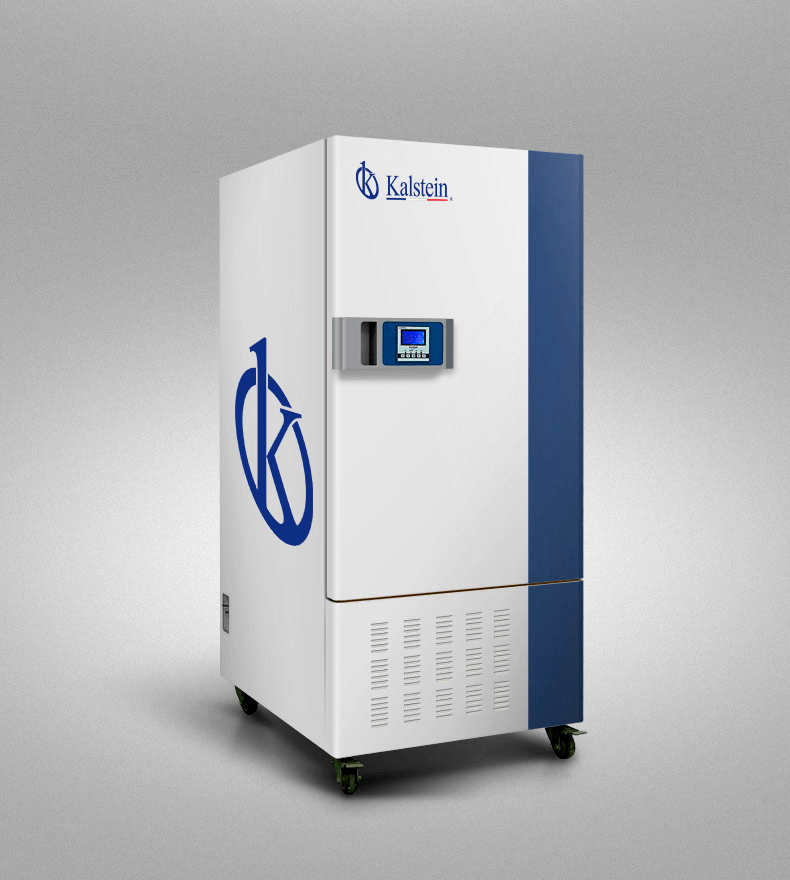
How to Choose a Constant Temperature and Humidity Chamber for Energy Sustainability
In the contemporary laboratory landscape, the growing emphasis on energy sustainability and reducing environmental footprints necessitates informed choices regarding equipment. Constant temperature and humidity chambers are essential for various applications, from pharmaceutical testing to environmental research. This guide will delve into the best practices for selecting a chamber that meets energy efficiency standards while ensuring optimal operational performance.
Understanding Energy Sustainability in Laboratory Equipment
Energy sustainability refers to the efficient use of energy resources to ensure minimal environmental impact. In the context of laboratories, this involves selecting equipment that not only performs well but also reduces energy consumption and carbon emissions. Constant temperature and humidity chambers play a pivotal role in maintaining controlled environments for samples while presenting opportunities to enhance energy efficiency.
Comparison of Available Models
| Model | Temperature Range (℃) | Humidity Range (%) | Price (USD) | Best for |
|---|---|---|---|---|
| YR05334 | 0~60 | 40~95 | 1870.00 | Long-term experiments, plant cultivation |
| YR05335 | 0~60 | 40~95 | 2220.00 | Sample testing, pharmaceutical research |
| YR05336 | 0~60 | 40~95 | 3140.00 | Life cycle testing, environmental studies |
| YR05337 | 0~60 | 40~95 | 1900.00 | Microbial experiments, seed testing |
| YR05338 | 0~60 | 40~95 | 2250.00 | Pharmaceutical stability testing |
| YR05339 | 0~60 | 40~95 | 3180.00 | Research and development |
Key Features to Consider for Energy Efficiency
When selecting a constant temperature and humidity chamber, several features play a critical role in enhancing energy sustainability:
- Adaptive Control Systems: Chambers with PID (Proportional-Integral-Derivative) control systems can regulate temperature and humidity more precisely, reducing energy waste.
- High-Efficiency Insulation: Effective insulation minimizes energy loss, ensuring that the chamber maintains consistent conditions without excessive power consumption.
- LED Monitoring Displays: Large LED displays allow for real-time monitoring, which can help in identifying energy wastage quickly.
Energy Consumption and Cost Analysis
Understanding the energy consumption of various models is crucial for making informed decisions. Below is a comparative table showing the estimated energy consumption based on average operational hours:
| Model | Estimated kWh per Month | Annual Energy Cost (USD) |
|---|---|---|
| YR05334 | 50 | 60.00 |
| YR05335 | 55 | 66.00 |
| YR05336 | 70 | 84.00 |
| YR05337 | 52 | 62.40 |
| YR05338 | 57 | 68.40 |
| YR05339 | 75 | 90.00 |
Common Mistakes and How to Avoid Them
One of the most frequent mistakes in selecting a chamber is underestimating the future needs of a laboratory. It is essential to consider potential growth and changes in testing requirements. Additionally, neglecting energy consumption data can lead to increased operational costs. Always evaluate the energy footprint of each model, such as the YR05335, before making a purchase.
Frequently Asked Questions
How can a constant temperature and humidity chamber reduce energy consumption?
A constant temperature and humidity chamber, like the YR05334, optimizes energy usage through advanced insulation and efficient control systems, minimizing the need for excessive power input while maintaining stable environmental conditions.
What is the role of PID control in energy-efficient chambers?
PID control systems, featured in models like YR05335, allow for precise adjustments to temperature and humidity, reducing fluctuations that can lead to energy waste in constant temperature and humidity chambers.
Which constant temperature and humidity chamber is best for long-term experiments?
The YR05336 is particularly suited for long-term experiments due to its robust design and energy-efficient features, ensuring consistent conditions while minimizing environmental impact.
How does insulation impact the energy efficiency of a chamber?
High-efficiency insulation, as found in models like the YR05337, reduces heat exchange with the environment, thereby decreasing energy consumption needed to maintain desired temperature and humidity levels in constant temperature and humidity chambers.
What are the cost implications of choosing a less efficient chamber?
Choosing a less efficient chamber can lead to increased operational costs, as seen with some models that require more energy to maintain conditions, resulting in higher annual energy costs compared to energy-efficient chambers like the YR05338.
How can I evaluate the environmental impact of my laboratory equipment?
Evaluating environmental impact can involve assessing energy consumption, waste generation, and compliance with sustainability standards. Constant temperature and humidity chambers like YR05339 can help minimize these factors through their efficient design.
What are the benefits of energy-efficient temperature chambers in research settings?
Energy-efficient temperature chambers, such as the YR05335, provide cost savings through reduced energy usage and lower operational costs while supporting laboratories' goals for sustainability and compliance with environmental regulations.
How can I ensure my chamber meets ISO standards for environmental sustainability?
To ensure compliance with ISO standards, it is vital to select a chamber, like the YR05336, that meets specified energy efficiency criteria and is equipped with features supporting environmental sustainability.
If you are looking for a fusion of innovation and quality, you have come to the right place. At Kalstein, we offer you the luxury of exploring our exclusive catalog of laboratory equipment. We manufacture every device to the highest standards of excellence. Our intuitive and seamless online purchasing channels are designed for your convenience, securing the most competitive prices. Hesitate no longer — we bring science to life, it is time to become part of our community.