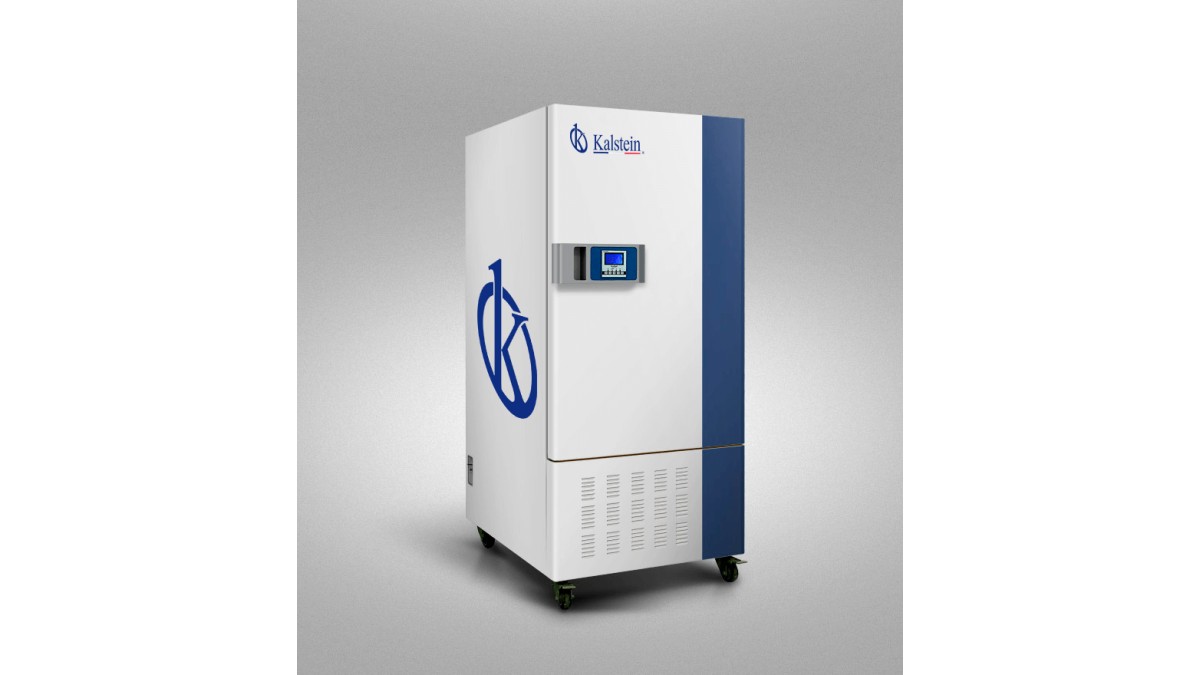
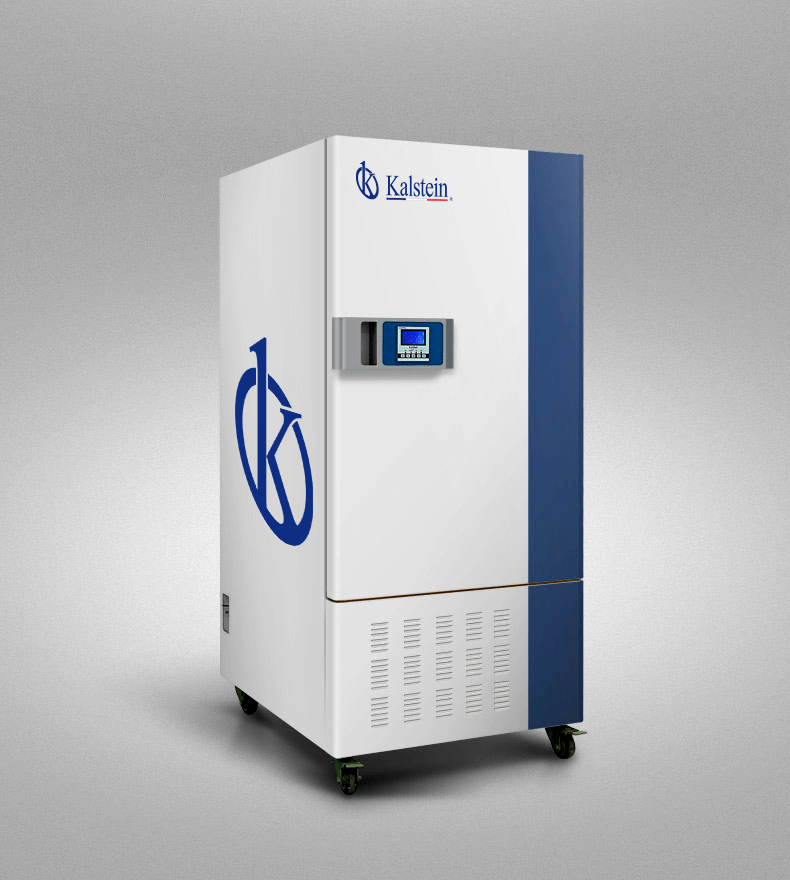
Constant Temperature and Humidity Chambers: Best Techniques and Protocols in 2026
What is it used for in 2026
Constant temperature and humidity chambers are essential tools in laboratory settings, used for various applications such as stability testing, shelf-life studies, and environmental simulations. These chambers create controlled environments that mimic various climatic conditions, making them invaluable for scientific research, pharmaceutical testing, and agricultural studies.
History and evolution of the technology
The technology behind constant temperature and humidity chambers has evolved significantly over the past few decades. Initially, these chambers were rudimentary, offering basic temperature control without humidity regulation. As technology advanced, the introduction of PID (Proportional-Integral-Derivative) controllers enabled more precise control over both temperature and humidity levels. Today, these chambers incorporate high-efficiency insulation and advanced monitoring systems, ensuring accurate and consistent environmental conditions.
How to use it step by step
Using a constant temperature and humidity chamber involves several key steps:
- Preparation: Ensure the chamber is clean and free from contaminants.
- Setup: Place samples or materials inside the chamber, ensuring proper spacing for airflow.
- Configuration: Set the desired temperature and humidity levels using the control panel.
- Monitoring: Continuously monitor the internal conditions through the digital display or connected software.
- Data Recording: Document all changes and observations during the testing period.
- Conclusion: After testing, analyze the results and make necessary adjustments for future tests.
Best techniques and protocols
To achieve optimal results, several techniques and protocols should be followed when using constant temperature and humidity chambers:
- Calibration: Regularly calibrate the chamber to ensure accuracy in temperature and humidity readings.
- Validation: Validate the chamber's performance before starting experiments to confirm it meets required specifications.
- Monitoring: Implement continuous monitoring systems to log temperature and humidity changes over time.
- Sample Preparation: Prepare samples according to standardized protocols to ensure consistency in testing.
Practical applications by laboratory type
Different laboratory types utilize constant temperature and humidity chambers in varied ways:
- Pharmaceutical Laboratories: Used for stability testing of drugs to ensure efficacy over time.
- Agricultural Research: Simulating various climatic conditions to study plant growth and seed viability.
- Food Industry: Conducting shelf-life studies on packaged foods under controlled humidity and temperature.
- Biotechnology: Cultivation of microorganisms and plants under ideal growth conditions.
Regulations, standards and certifications
When using constant temperature and humidity chambers, it is crucial to adhere to industry regulations and standards such as ISO 9001 for quality management and GLP (Good Laboratory Practice) guidelines. Certifications like CE mark ensure that the equipment complies with safety and efficiency standards, providing assurance for users.
Comparison with alternative technologies
While constant temperature and humidity chambers are widely used, there are alternative technologies. These include:
- Environmental Test Chambers: Often provide broader conditions, including thermal shock testing.
- Incubators: Primarily used for biological samples, offering specific temperature controls without humidity variability.
- Walk-In Stability Rooms: Suitable for larger batches of products requiring controlled environments.
Comparison of available models
| Model | Best for | Key specs | Recommended use case |
|---|---|---|---|
| YR05334 | Long-term experiments | Temperature: 0-60℃, Humidity: 40-95% | Stability testing and plant cultivation |
| YR05335 | Pharmaceutical testing | Temperature: 0-60℃, Humidity: 40-95% | Sample shelf-life studies |
| YR05336 | Microbial studies | Temperature: 0-60℃, Humidity: 40-95% | Microorganism cultivation |
| YR05337 | Agricultural research | Temperature: 0-60℃, Humidity: 40-95% | Seed germination tests |
| YR05338 | Food industry | Temperature: 0-60℃, Humidity: 40-95% | Package stability testing |
| YR05339 | Long-term projects | Temperature: 0-60℃, Humidity: 40-95% | Extended shelf-life studies |
Common mistakes and how to avoid them
Laboratory professionals often make several common mistakes when using constant temperature and humidity chambers:
- Improper Calibration: Failing to calibrate the chamber regularly can lead to inaccurate results. Ensure calibration is done as per the manufacturer's guidelines.
- Poor Sample Placement: Overcrowding samples can inhibit airflow, affecting temperature consistency. Maintain adequate spacing.
- Ignoring Maintenance: Regular maintenance is vital for the chamber's performance. Schedule routine checks and cleaning.
Maintenance, calibration and good practices 2026
For optimal performance in 2026, follow these maintenance and calibration practices:
- Daily Checks: Inspect humidity and temperature levels daily.
- Monthly Calibration: Perform calibration checks monthly to ensure accuracy.
- Cleaning: Regular cleaning of the chamber interior and exterior helps maintain hygiene and functionality.
Cost-benefit analysis 2026
A cost-benefit analysis in 2026 should consider initial investment, maintenance costs, and the value of accurate testing outcomes. Although constant temperature and humidity chambers can represent a significant upfront expense, the savings from improved experiment outcomes, reduced material wastage, and faster time-to-market for products make them a worthy investment.
Frequently asked questions
What are the essential features to look for in a constant temperature and humidity chamber?
Look for features such as PID control, high efficiency insulation, precise temperature and humidity control, and data logging capabilities.
How can I ensure my tests are reliable?
Ensure consistent calibration, follow standardized sample preparation protocols, and maintain proper chamber conditions throughout the testing period.
What types of samples can be tested in these chambers?
Samples from pharmaceuticals, food products, plants, and microorganisms can all be safely tested in constant temperature and humidity chambers.
How often should I calibrate my chamber?
Calibrate your chamber at least once a month, or more frequently if you notice significant fluctuations in temperature or humidity readings.
Can I use these chambers for long-term studies?
Yes, constant temperature and humidity chambers are ideal for long-term studies, such as stability tests and plant growth experiments.
What maintenance is required to keep the chamber functioning properly?
Regular cleaning, calibration checks, and monitoring of performance metrics are necessary for maintaining an optimal operating condition.
How can I request a quote for a constant temperature and humidity chamber?
Please reach out through our official channels to request a personalized quote tailored to your specific needs.
If you are looking for a fusion of innovation and quality, you have come to the right place. At Kalstein, we offer you the luxury of exploring our exclusive catalog of laboratory equipment. We manufacture every device to the highest standards of excellence. Our intuitive and seamless online purchasing channels are designed for your convenience, securing the most competitive prices. Hesitate no longer — we bring science to life, it is time to become part of our community.