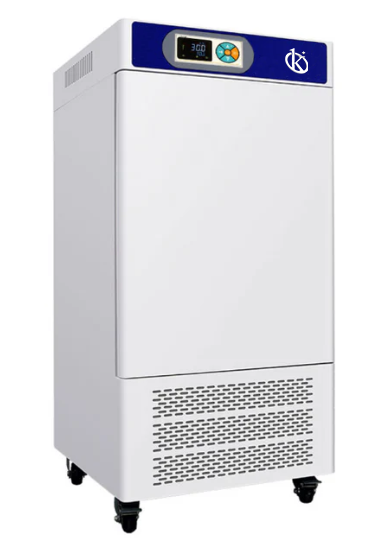
How to Ensure Compliance with ISO/IEC Standards Using Constant Temperature and Humidity Incubators
In laboratory environments, ensuring compliance with ISO/IEC standards is crucial for maintaining quality, safety, and efficacy. Constant temperature and humidity incubators play a significant role in achieving these compliance objectives. This article explores various models of constant temperature and humidity incubators, detailing their specifications, applications, and how they align with ISO/IEC standards, particularly focusing on the specifics that will help laboratories meet compliance requirements.
Understanding ISO/IEC Standards and Their Importance
ISO/IEC standards define the requirements for various aspects of laboratory operations, ensuring that processes are consistent and reliable. Compliance with these standards such as ISO 17025, which focuses on the competence of testing and calibration laboratories, is essential for laboratories involved in research, drug testing, and environmental assessments. The role of incubators in these processes cannot be understated, as they provide controlled environments necessary for accurate experimental results.
Constant Temperature and Humidity Incubators: Overview
Constant temperature and humidity incubators are designed to maintain stable temperature and humidity levels, which is vital for various applications including microbiological studies, pharmaceutical testing, and environmental monitoring. These incubators provide controlled conditions that help ensure reproducibility and compliance with ISO/IEC standards.
Comparison of Available Models
| Model | Temperature Range (℃) | Humidity Control | Precision (℃) | Best For |
|---|---|---|---|---|
| YR02053 | 0 ~ 60 | Constant | ± 0.1 | Microbiological Studies |
| YR02054 | 0 ~ 60 | Constant | ± 0.1 | Pharmaceutical Testing |
| YR02055 | 0 ~ 60 | Constant | ± 0.1 | Environmental Monitoring |
ISO/IEC Standards Relevant to Constant Temperature and Humidity Incubators
To ensure compliance, laboratories must understand which ISO/IEC standards are applicable to their operations. For instance, ISO 17025 requires laboratories to demonstrate their ability to generate valid and reliable test results. Constant temperature and humidity incubators help fulfill this requirement by providing a stable environment for sample storage and experimentation.
Audit Checklists for Compliance
When preparing for an audit, laboratories should have a comprehensive checklist that includes the calibration of incubators, verification of temperature and humidity settings, and maintenance records. Each model, such as the YR02053, brings specific features, including automatic defrost and stainless-steel interiors that facilitate the upkeep and compliance process.
Documentation Requirements for Compliance
Maintaining proper documentation is a cornerstone of ISO/IEC compliance. This includes records of calibration, maintenance procedures, and operational protocols. For instance, laboratories using the YR02054 incubator should document the calibration intervals and the procedures followed to ensure that the temperature and humidity controls meet the specified standards.
Traceability in Laboratory Operations
Traceability is critical for compliance, ensuring that every measurement can be linked back to a known standard. Constant temperature and humidity incubators must be regularly calibrated to maintain their traceability. Models like YR02055 include features for easy integration of calibration devices, which supports maintaining this traceability.
Common Mistakes and How to Avoid Them
One common mistake in achieving compliance is neglecting regular calibration of equipment. Laboratories should develop a stringent calibration schedule to avoid discrepancies in test results. Moreover, failing to document procedures and results can lead to non-compliance. Adopting a proactive approach by using incubators equipped with built-in documentation features can greatly enhance compliance efforts.
Frequently Asked Questions
How do constant temperature and humidity incubators help with ISO 17025 compliance?
Constant temperature and humidity incubators, such as the YR02053, maintain precise and reliable conditions essential for compliance with ISO 17025. The incubator's ability to control temperature within ± 0.1℃ supports the generation of valid test results, aligning with the standards required for laboratory accreditation.
What specifications should I consider for an ISO/IEC compliant incubator?
When selecting an incubator for ISO/IEC compliance, you should consider specifications such as temperature range, precision, and humidity control capabilities. Models like YR02054 offer consistent temperature and humidity management which is crucial for meeting compliance standards in various laboratory settings.
What is the role of calibration in maintaining compliance with ISO standards?
Calibration plays a crucial role in maintaining compliance with ISO standards by ensuring that all measurement devices, including incubators, operate within specified tolerances. Regular calibration of models like YR02055 helps laboratories meet the accuracy requirements of standards like ISO 17025.
What maintenance practices are necessary for constant temperature incubators?
To ensure compliance, constant temperature incubators require regular maintenance practices, including calibration checks, cleaning of the interior surfaces, and verifying the functionality of humidity control systems. Adhering to these practices will enhance the reliability of models such as YR02053.
How can I ensure traceability using a constant temperature incubator?
Ensuring traceability with a constant temperature incubator can be achieved by maintaining calibration records and following a documented procedure for regular checks. The YR02054 model facilitates traceable measurements through its advanced features, ensuring compliance with required standards.
What are the consequences of non-compliance with ISO/IEC standards in laboratories?
Non-compliance with ISO/IEC standards can lead to significant consequences, including the loss of accreditation, reputational damage, and potential legal liabilities. Using compliant models like YR02055 can mitigate these risks by ensuring that laboratory operations meet the necessary standards.
How often should constant temperature and humidity incubators be calibrated?
Constant temperature and humidity incubators should ideally be calibrated at least once a year, or in accordance with the manufacturer’s specifications, to maintain compliance with ISO standards. Regular checks for models like YR02053 will help in ensuring ongoing precision and reliability.
What features should I look for in a humidity-controlled incubator?
When selecting a humidity-controlled incubator, look for features such as precise humidity control, easy calibration, and robust construction. The YR02054 offers advanced humidity management features that are beneficial for maintaining compliance with ISO standards in various laboratory applications.
If you are looking for a fusion of innovation and quality, you have come to the right place. At Kalstein, we offer you the luxury of exploring our exclusive catalog of laboratory equipment. We manufacture every device to the highest standards of excellence. Our intuitive and seamless online purchasing channels are designed for your convenience, securing the most competitive prices. Hesitate no longer — we bring science to life, it is time to become part of our community.