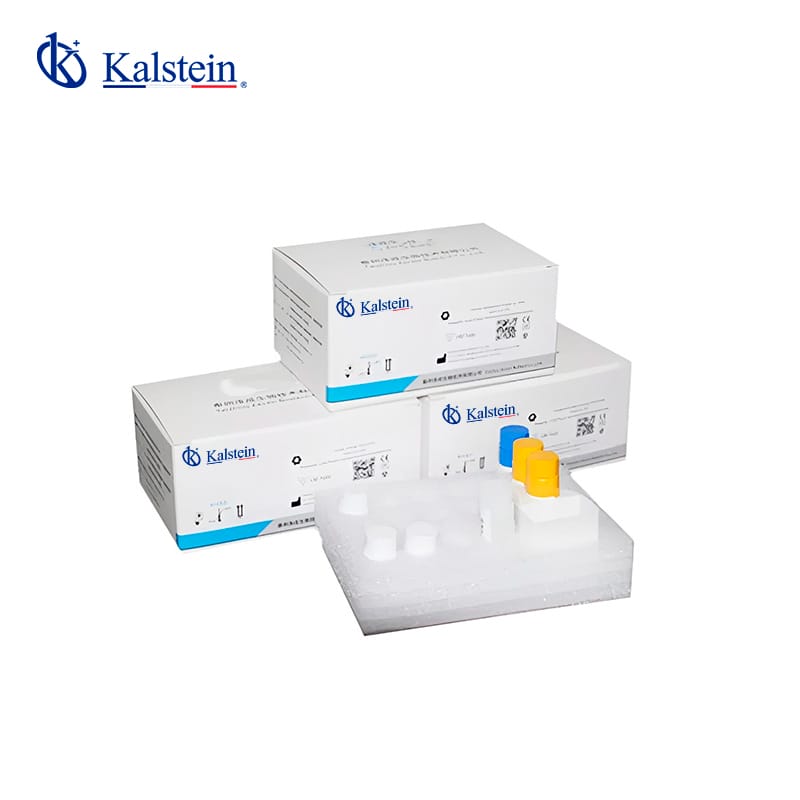
Ensuring Compliance with ISO/IEC Norms in Chemiluminescence Reagents
In the realm of laboratory testing, particularly for chemiluminescence reagents, compliance with ISO/IEC norms is paramount. These standards ensure that the reagents used in testing are reliable, consistent, and meet the stringent requirements of modern laboratory practices. Understanding how various models of chemiluminescence reagents align with these norms helps laboratories maintain quality and regulatory compliance.
Understanding ISO and IEC Standards in Laboratory Settings
The International Organization for Standardization (ISO) and the International Electrotechnical Commission (IEC) develop and publish international standards that ensure the quality, safety, and efficiency of products, services, and systems. In laboratory settings, adherence to these standards is crucial for maintaining the integrity of testing processes and results.
ISO 17025 is one of the most critical standards for laboratory testing, providing a framework for quality management systems, technical competence, and consistent testing results. It is essential for laboratories to ensure that their chemiluminescence reagents comply with this standard to provide reliable test results.
Key ISO/IEC Norms Relevant to Chemiluminescence Reagents
Among the various ISO and IEC standards, the following are particularly relevant for chemiluminescence reagents:
- ISO 17025: Specifies the general requirements for the competence of testing and calibration laboratories.
- ISO 13485: Focuses on quality management systems for medical devices, crucial for reagents used in diagnostic testing.
- IEC 61010: Pertains to the safety requirements for electrical equipment used for measurement, control, and laboratory use.
How Chemiluminescence Reagents Support ISO Compliance
Each model of chemiluminescence reagents plays a vital role in supporting ISO compliance by ensuring that testing processes are accurate, consistent, and reliable. For example, the Thyroid Disease Test Kit YRA279 can demonstrate compliance by providing comprehensive analysis for markers such as TSH, TT3, and TT4, which are essential for proper thyroid function evaluation.
By offering detailed specifications and consistent results, these reagents help laboratories adhere to the quality management principles outlined in ISO 17025, thereby enhancing their overall credibility and operational efficiency.
Comparison of Available Models
| Model | ISO/IEC Clauses Covered | Traceability Features | Best For |
|---|---|---|---|
| YRA279 | ISO 17025, ISO 13485 | 2/6 Point Calibration | Thyroid Testing |
| YRA280 | ISO 17025, ISO 13485 | 2/6 Point Calibration | Thyroid Testing |
| YRA281 | ISO 17025, ISO 13485 | 2/6 Point Calibration | Thyroid Testing |
| YRA282 | ISO 17025, ISO 13485 | 2/6 Point Calibration | Thyroid Testing |
| YRA283 | ISO 17025, ISO 13485 | 2/6 Point Calibration | Thyroid Testing |
| YRA284 | ISO 17025, ISO 13485 | 2/6 Point Calibration | Thyroid Testing |
Common Mistakes and How to Avoid Them
Laboratories often face challenges in maintaining compliance with ISO/IEC standards when it comes to chemiluminescence reagents. Common mistakes include:
- Neglecting Calibration: Failing to adhere to proper calibration schedules can lead to inaccurate testing results. Regular calibration using the models' specified protocols is essential.
- Inadequate Documentation: Not keeping thorough records can hinder compliance audits. Laboratories should ensure all documentation surrounding reagent usage, calibration, and results is meticulously maintained.
- Ignoring Training: Proper training for staff on ISO standards and the specific requirements for using chemiluminescence reagents is crucial. Regular training programs can alleviate this issue.
Frequently Asked Questions
How does ISO 17025 compliance affect the use of chemiluminescence reagents?
ISO 17025 compliance is critical for the use of chemiluminescence reagents as it ensures that laboratories maintain quality management and technical competence. Using models like YRA279 enables laboratories to provide accurate thyroid disease testing results that meet international standards.
What are the traceability features of chemiluminescence reagents?
Traceability features in chemiluminescence reagents, such as those found in YRA280, include 2/6 point calibration methods that allow laboratories to verify and validate their test results against known standards, ensuring compliance with ISO/IEC norms.
Which ISO standards apply to chemiluminescence reagents in medical laboratories?
ISO standards like ISO 13485 and ISO 17025 apply to chemiluminescence reagents as they ensure the quality and safety of medical diagnostics. Models such as YRA284 are specifically designed to meet these stringent requirements, ensuring reliable testing.
How can laboratories ensure compliance with IEC 61010 using chemiluminescence reagents?
Laboratories can ensure compliance with IEC 61010 by selecting chemiluminescence reagents such as YRA283 that are designed with safety features for electrical equipment, thereby minimizing risks during laboratory operations.
What documentation is needed to maintain ISO compliance for chemiluminescence reagents?
To maintain ISO compliance, laboratories must document the usage, calibration results, and maintenance logs of chemiluminescence reagents like YRA281. Proper documentation is essential for passing compliance audits and ensuring operational integrity.
How often should calibration be performed on chemiluminescence reagents to maintain compliance?
Calibration for chemiluminescence reagents such as YRA282 should be performed according to the manufacturer's recommendations, typically every 2-6 months, to ensure compliance with ISO 17025 and maintain accurate testing results.
What are the benefits of using ISO compliant chemiluminescence reagents in laboratory testing?
Using ISO compliant chemiluminescence reagents, like YRA279, enhances the reliability and accuracy of test results, reduces the likelihood of errors, and ensures that laboratories meet regulatory standards necessary for operational credibility.
Why is continued training important for staff using chemiluminescence reagents?
Continued training for staff using chemiluminescence reagents is vital to ensure they understand and adhere to compliance standards such as ISO 17025. This helps minimize errors and enhances the laboratory's overall testing accuracy.
If you are looking for a fusion of innovation and quality, you have come to the right place. At Kalstein, we offer you the luxury of exploring our exclusive catalog of laboratory equipment. We manufacture every device to the highest standards of excellence. Our intuitive and seamless online purchasing channels are designed for your convenience, securing the most competitive prices. Hesitate no longer — we bring science to life, it is time to become part of our community.