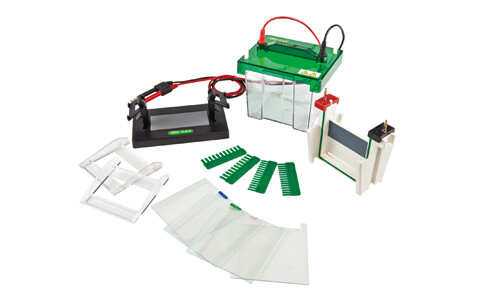
Comparing Vertical Electrophoresis Technologies: Which Model Fits Your Laboratory Needs?
Vertical electrophoresis systems are essential for researchers involved in protein analysis and separation. This article provides a comprehensive comparison of various models within the vertical electrophoresis category, focusing on their unique features, applications, and how they stack up against alternative technologies in the market. Understanding the strengths and limitations of each model can help laboratory professionals make informed decisions based on their specific needs.
Understanding Vertical Electrophoresis Technologies
Vertical electrophoresis is a crucial technique for researchers aiming to separate proteins effectively. Unlike horizontal systems, vertical setups offer enhanced resolution and are particularly suited for complex protein mixtures. Techniques such as SDS-PAGE are commonly employed, which necessitate the denaturation of proteins to linearize them for effective separation. This section delves into how vertical electrophoresis operates, its advantages over other methods, and the critical parameters to consider when selecting a model.
Comparison of Available Models
| Model | Weight (kg) | Dimensions (mm) | Sample Volume (ml) | Recommended Use | Price (USD) |
|---|---|---|---|---|---|
| YR03425 | 1.5 | 150x120x115 | 750 | Basic protein analysis | 303.00 |
| YR03426 | 2.5 | 220x170x120 | 1000 | Multiple gel casting | 405.00 |
| YR03427 | 2.5 | 175x175x100 | 1200 | High-throughput applications | 517.20 |
| YR03428 | 3.2 | 280x140x135 | 1800 | Advanced protein studies | 173.40 |
| YR03429 | 5.6 | 280x140x250 | 3500 | Complex protein separation | 238.20 |
| YR03430 | 2.2 | 280x140x136 | 1800 | Rapid analysis scenarios | 339.60 |
Key Considerations for Choosing Vertical Electrophoresis Models
When selecting a vertical electrophoresis model, several factors must be contemplated. These include the weight and dimensions, which impact laboratory space and portability, the optimal sample volume for your research requirements, and the specific features that cater to your analysis type. Additionally, understanding the pricing structure in relation to your budget can help narrow down your options effectively.
Common Mistakes and How to Avoid Them
Laboratory professionals often face pitfalls when selecting electrophoresis systems. One common mistake is underestimating the requirements for sample volume, leading to inadequate resolution. Another frequent error is neglecting to consider the compatibility with existing laboratory equipment. To avoid these mistakes, thoroughly assess your experimental needs and consult with colleagues or technical experts before finalizing a purchase.
Comparison with Alternative Technologies
Vertical electrophoresis stands out against alternative separation techniques such as capillary electrophoresis and two-dimensional gel electrophoresis. While capillary systems provide faster analysis times and reduced sample volumes, vertical systems offer superior resolution for complex samples. In contrast, two-dimensional techniques provide deeper insights into protein structures but require more time and resources. Each method has its unique strengths, and the best choice depends on the specific requirements and constraints of your laboratory setting.
Frequently Asked Questions
What factors should I consider when selecting a vertical electrophoresis model for protein analysis?
When selecting a vertical electrophoresis model, consider factors such as sample volume, weight, dimensions, and specific application needs. For example, the YR03427 model, with a sample volume of 1200 ml, is suitable for high-throughput applications, while the YR03425 model is ideal for basic protein analysis.
How does the YR03429 model compare to other vertical electrophoresis systems?
The YR03429 model, with a maximum sample volume of 3500 ml, excels in complex protein separation due to its larger gel size. Compared to models like the YR03425, which has a lower capacity, YR03429 offers enhanced resolution for more challenging applications.
Which vertical electrophoresis model is best for rapid protein analysis in a lab setting?
For rapid protein analysis, the YR03430 is an excellent choice due to its quick gel setup and compatibility with different sample volumes. Its design allows for efficient workflows, streamlining laboratory processes.
How do vertical electrophoresis models like the YR03426 support multiple gel casting?
The YR03426 model supports multiple gel casting, allowing simultaneous preparation of 1 to 4 gel plates. This feature is especially beneficial for laboratories needing to process several samples quickly without compromising quality.
What is the typical cost range for vertical electrophoresis models in laboratories?
The cost of vertical electrophoresis models typically ranges between $173.40 for basic models like YR03428 to over $517.20 for advanced systems like the YR03427. The investment depends on specific features and capacities required for your research.
How can I ensure my vertical electrophoresis models meet compliance standards?
To ensure compliance, familiarize yourself with relevant standards and guidelines for laboratory equipment. Models like the YR03428 adhere to various specifications, ensuring they meet the necessary criteria for laboratory use and safety.
What are the common applications for vertical electrophoresis systems in research?
Vertical electrophoresis systems are commonly used for protein separation, analysis of protein structures, and studying complex mixtures. Models like YR03426 are particularly useful for multiple gel casting, enhancing their versatility in laboratory settings.
How does the size and design of vertical electrophoresis models impact their performance?
The size and design of vertical electrophoresis models directly influence their performance. For instance, larger models like the YR03429 allow for greater sample volumes and larger gels, leading to improved resolution and separation capabilities.
If you are looking for a fusion of innovation and quality, you have come to the right place. At Kalstein, we offer you the luxury of exploring our exclusive catalog of laboratory equipment. We manufacture every device to the highest standards of excellence. Our intuitive and seamless online purchasing channels are designed for your convenience, securing the most competitive prices. Hesitate no longer — we bring science to life, it is time to become part of our community.