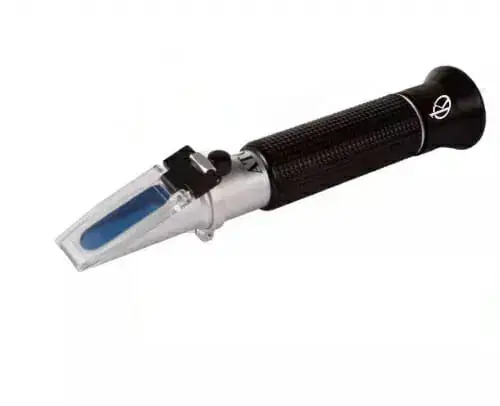
Comparative Analysis of Wine Refractometers: Choosing the Right Technology
The selection of a suitable wine refractometer is crucial for laboratory professionals engaged in vinification and quality control. This article delves into the comparative analysis of different models within the wine refractometer subcategory, providing insights into their unique features and technological advancements. By understanding the benefits and limitations of each model, laboratories can make informed decisions that enhance operational efficiency and product quality.
Understanding Wine Refractometers and Their Applications
Wine refractometers are essential tools in the wine industry for measuring the sugar content and alcohol levels in wine samples. They provide quick and accurate readings, which are vital for assessing fermentation progress and ensuring quality control. With a variety of designs and features available, selecting the right model can significantly impact the accuracy and efficiency of laboratory processes.
This article will compare models such as the YR05931, YR05932, YR05933, YR05934, YR05935, and YR05936, examining their specifications, applications, and suitability based on varying laboratory needs.
Comparison of Available Models
| Model | Measurement Range | Minimum Division | Accuracy | ATC | Material | Best For |
|---|---|---|---|---|---|---|
| YR05931 | 0-80% v/v | 1% v/v | ±1% v/v | No | Aluminum | Basic sugar measurement |
| YR05932 | 0-25% Vol, 0-40% Brix | 0.2% Vol, 0.2% Brix | ±0.2% Vol, ±0.2% Brix | Yes | Aluminum | Accurate alcohol and sugar measurement |
| YR05933 | 0-25% Vol, 0-170 °Oe | 0.2% Vol, 1° Oe | ±0.2% Vol, ±1° Oe | Yes | Aluminum | Versatile for various wine types |
| YR05934 | 0-20% Baume, 0-25% Vol, 0-40% Brix | 0.2% Baume, 0.2% Vol | ±0.2% Baume, ±0.2% Vol | Yes | Aluminum | Fermentation monitoring |
| YR05935 | 0-25% Vol | 0.2% Vol | ±0.2% Vol | Yes | Aluminum | General laboratory use |
| YR05936 | 0-30% Vol | 0.2% Vol | ±0.2% Vol | Yes | Aluminum | Advanced quality control |
Key Differences Among Wine Refractometers
When comparing wine refractometers, several factors must be considered to select the most appropriate one for your laboratory's needs. The measurement range, minimum division, and accuracy are pivotal in determining which model will meet your specific requirements.
For instance, the YR05932 model offers a dual scale for both alcohol and Brix measurements, making it ideal for comprehensive analysis during fermentation. In contrast, the YR05931 serves as a basic model suited for simpler measurements.
Common Mistakes and How to Avoid Them
Choosing a wine refractometer involves several critical considerations to avoid common pitfalls. Here are some prevalent mistakes and how to mitigate them:
- Overlooking Temperature Compensation: Models like the YR05932, which feature automatic temperature compensation (ATC), provide more accurate readings across varying environmental conditions. Failing to consider ATC can lead to significant measurement errors.
- Ignoring Calibration Needs: Regular calibration is essential for maintaining accuracy. Ensure that your chosen model comes with calibration guidelines and materials.
- Not Assessing Specific Needs: Each model has unique strengths; for example, the YR05934 is excellent for monitoring fermentation, while the YR05936 is better suited for advanced quality control. Align your choice with your laboratory's specific applications.
Advanced Features of Wine Refractometers
Modern wine refractometers come equipped with advanced features that enhance their functionality. These include:
- Automatic Temperature Compensation (ATC): This ensures accurate readings regardless of ambient temperature fluctuations, crucial for precise analysis.
- Dual Measurement Scales: Models like the YR05932 provide both Brix and alcohol readings, allowing for comprehensive analysis in one device.
- User-Friendly Design: Ergonomically designed instruments facilitate ease of use, making them suitable for busy laboratory settings.
Technological Comparison with Alternative Methods
In the context of wine analysis, other methods such as hydrometers or digital refractometers exist. However, wine refractometers offer superior precision and ease of use, particularly in high-throughput settings.
For example, while a hydrometer may require manual adjustments and calculations, a refractometer like the YR05935 delivers instantaneous and direct readings, streamlining the workflow significantly.
Frequently Asked Questions
What is the accuracy of the YR05932 wine refractometer in measuring sugar content?
The YR05932 wine refractometer has an accuracy of ±0.2% for both volume and Brix measurements, ensuring reliable results for precise sugar content assessment in wine production.
How do I calibrate my wine refractometer for optimal readings?
To calibrate your refractometer, use distilled water or a standard solution. Follow the manufacturer's instructions specific to models like the YR05934 to ensure accurate adjustments.
Which wine refractometer model is best for fermentation monitoring?
The YR05934 is highly recommended for fermentation monitoring due to its dual scale capabilities and automatic temperature compensation, making it ideal for consistent readings during this critical process.
What features should I look for in a wine refractometer for laboratory use?
Look for models with automatic temperature compensation, dual measurement scales, and robust construction. The YR05936 offers all these features, making it suitable for demanding laboratory environments.
How does the YR05933 compare to other models for wine quality testing?
The YR05933 is versatile, measuring both alcohol and °Oe, which enhances its applicability in quality testing. Its accuracy and dual capabilities set it apart from simpler models.
Why is automatic temperature compensation important in wine refractometers?
Automatic temperature compensation (ATC) is crucial as it adjusts readings based on the sample temperature, ensuring precision even in fluctuating environmental conditions, which models like YR05932 excel in.
Which wine refractometer model should I choose for educational purposes?
The YR05932 is a great choice for educational settings, offering a balance of usability and accurate measurements that help students learn about sugar and alcohol content in wines.
How can I improve my lab's wine analysis efficiency with refractometers?
By selecting high-accuracy models like the YR05936, which reduce manual calculations and enhance throughput, your lab can significantly improve efficiency in wine analysis processes.
If you are looking for a fusion of innovation and quality, you have come to the right place. At Kalstein, we offer you the luxury of exploring our exclusive catalog of laboratory equipment. We manufacture every device to the highest standards of excellence. Our intuitive and seamless online purchasing channels are designed for your convenience, securing the most competitive prices. Hesitate no longer — we bring science to life, it is time to become part of our community.