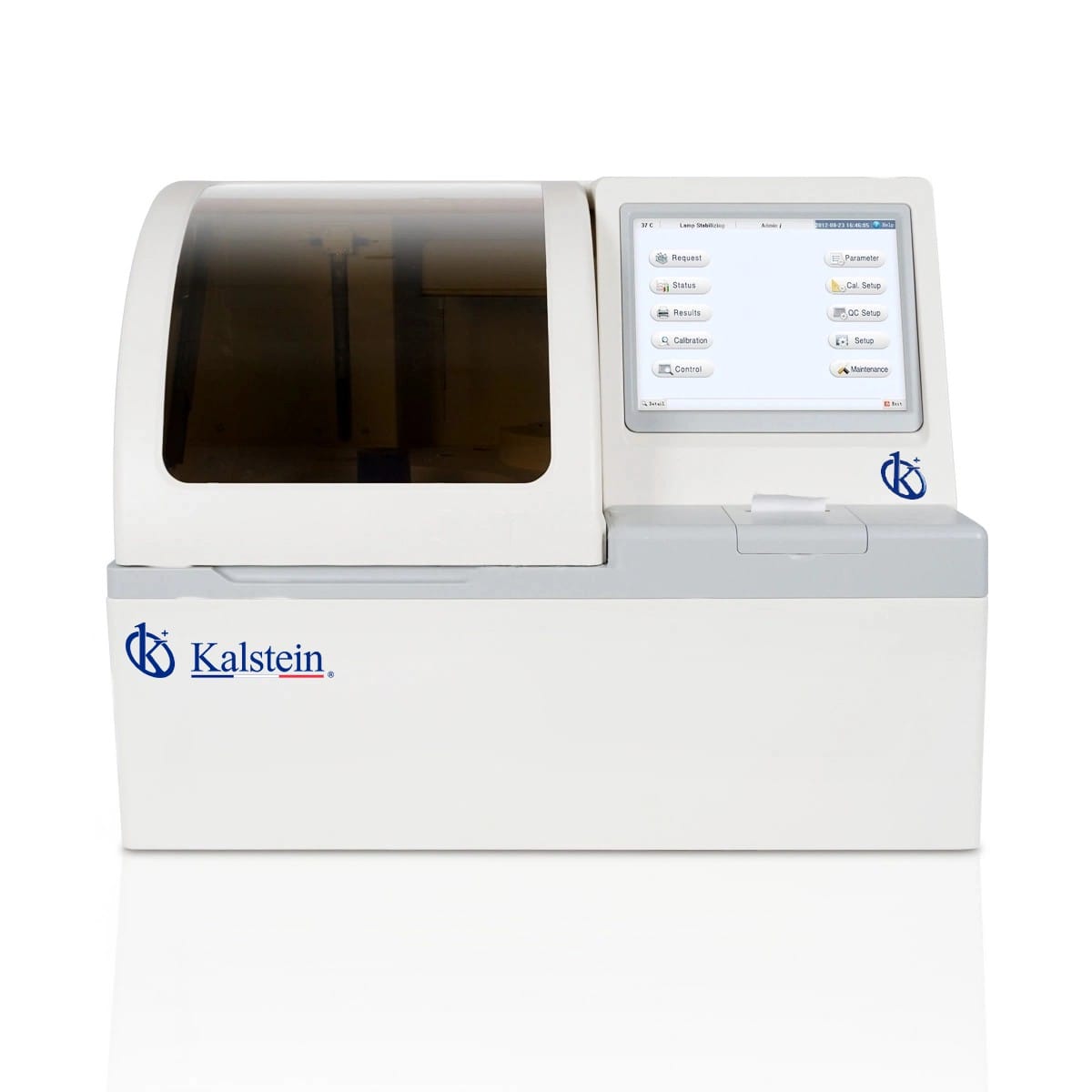
Comparative Analysis of Veterinary Chemistry Analyzers: Key Features and Applications
Veterinary chemistry analyzers play a critical role in diagnosing and monitoring animal health by providing precise and rapid analysis of blood and other biological samples. As veterinary diagnostics evolve, understanding the comparative advantages of various models in the market becomes essential for veterinary practitioners. This article delves into a comparative analysis of several veterinary chemistry analyzers available, focusing on their unique features, performance metrics, and applications in clinical settings.
Understanding Veterinary Chemistry Analyzers
Veterinary chemistry analyzers are specialized devices designed to perform biochemical tests on samples such as blood, urine, and serum from different animal species. They streamline the diagnostic process, allowing veterinarians to receive timely results that aid in accurate diagnosis and treatment planning. In this comparative analysis, we will examine the performance, usability, and technical specifications of leading models to provide a comprehensive overview for lab professionals.
Comparison of Available Models
| Model | Price (USD) | Tests per Hour | Sample Volume | Best For |
|---|---|---|---|---|
| YR06168 | 6800.00 | 100 | 3~45 uL | High-throughput labs |
| YR06169 | 2000.00 | 16 | 100 uL | Portable testing |
| YR06172 | 700.00 | Quantitative Analysis | Varies | Immunofluorescence testing |
| YR06174 | 6600.00 | Multi-parameter | N/A | Gas and electrolyte analysis |
| YR06077 | 950.00 | 34 standard tests | Varies | Small to medium veterinary practices |
Key Features of Each Model
Automatic Veterinary Chemistry Analyzer YR06168
The Automatic Veterinary Chemistry Analyzer YR06168 offers high throughput, with a performance of up to 100 tests per hour. It features a user-friendly interface with eight pre-set animal configurations and unlimited custom configurations. The analyzer supports open and closed reagent systems and operates with micro-volumes, making it ideal for busy veterinary labs focused on efficiency and accuracy.
Portable Veterinary Chemistry Analyzer YR06169
The Portable Veterinary Chemistry Analyzer YR06169 is designed for on-the-go diagnostics. It requires only 100 uL of whole blood to deliver up to 16 results in about 10 minutes. This model is equipped with a built-in thermal printer and an intuitive 8.4-inch touchscreen, making it highly suitable for fieldwork and emergency situations.
Quantitative Veterinary Immunofluorescence Analyzer YR06172
The YR06172 model utilizes advanced microprocessor technology to provide quantitative results for immunofluorescence tests. It has a lightweight design, a 7-inch touchscreen, and wireless data transmission capabilities. Its ability to store 10,000 images makes it an excellent choice for veterinary diagnostics requiring documentation and analysis.
Blood Gas and Electrolyte Analyzer YR06174
This analyzer is tailored for immediate gas and electrolyte analysis, capable of handling both syringes and capillaries. Its features include a long-lasting fluid system, a colorful high-resolution touchscreen, and an integrated thermal printer, making it suitable for critical care environments like emergency and intensive care units.
Chemical Veterinary Analyzer YR06077
The Chemical Veterinary Analyzer YR06077 supports a wide array of animal types and is designed for various biochemical tests. It features a bicromatic optical system, allowing for flexible testing with real-time reaction curve visualization. This model’s cost-effectiveness and extensive test parameters make it ideal for small to medium veterinary practices.
Common Mistakes and How to Avoid Them
When selecting a veterinary chemistry analyzer, it is crucial to avoid common pitfalls that can lead to inefficiencies in diagnostics. Here are a few mistakes to be mindful of:
- Neglecting Sample Volume Requirements: Ensure that the analyzer can accommodate the sample volumes typically collected in your practice.
- Overlooking User Training: Proper training on how to use the analyzer effectively can significantly impact the quality of test results.
- Ignoring Maintenance Needs: Regular maintenance is essential for long-term reliability. Choose a model with accessible service support.
Frequently Asked Questions
What are the main features of the YR06168 Automatic Veterinary Chemistry Analyzer?
The YR06168 model is equipped with a user-friendly interface that supports up to 100 tests per hour, making it efficient for busy veterinary practices. It allows for both open and closed reagent systems and is designed for micro-volume sample testing, suitable for various animal types.
How does the YR06169 Portable Veterinary Chemistry Analyzer handle blood samples?
The YR06169 Portable Veterinary Chemistry Analyzer requires only 100 uL of whole blood to provide up to 16 rapid results in about 10 minutes, making it efficient for use in field diagnostics and emergency situations.
Can the YR06172 model be used for various animal species?
Yes, the Quantitative Veterinary Immunofluorescence Analyzer YR06172 is versatile enough to handle various animal species, utilizing specific immunofluorescence tests to provide accurate quantitative results for clinical diagnostics.
What applications is the YR06174 Blood Gas and Electrolyte Analyzer best suited for?
The YR06174 is specifically designed for analyzing blood gases and electrolytes, ideal for use in emergency care settings, ICUs, and surgical operations, providing critical data for decision-making.
How cost-effective is the YR06077 Chemical Veterinary Analyzer?
The YR06077 model is cost-effective as it supports up to 34 fixed tests, along with customizable parameters, making it particularly beneficial for small to medium veterinary practices looking to maximize testing capabilities without significant investment.
What factors should labs consider when selecting a veterinary chemistry analyzer?
When choosing a veterinary chemistry analyzer, labs should evaluate throughput requirements, sample volume capabilities, ease of use, maintenance support, and the range of tests performed to ensure alignment with their specific diagnostic needs.
If you are looking for a fusion of innovation and quality, you have come to the right place. At Kalstein, we offer you the luxury of exploring our exclusive catalog of laboratory equipment. We manufacture every device to the highest standards of excellence. Our intuitive and seamless online purchasing channels are designed for your convenience, securing the most competitive prices. Hesitate no longer — we bring science to life, it is time to become part of our community.